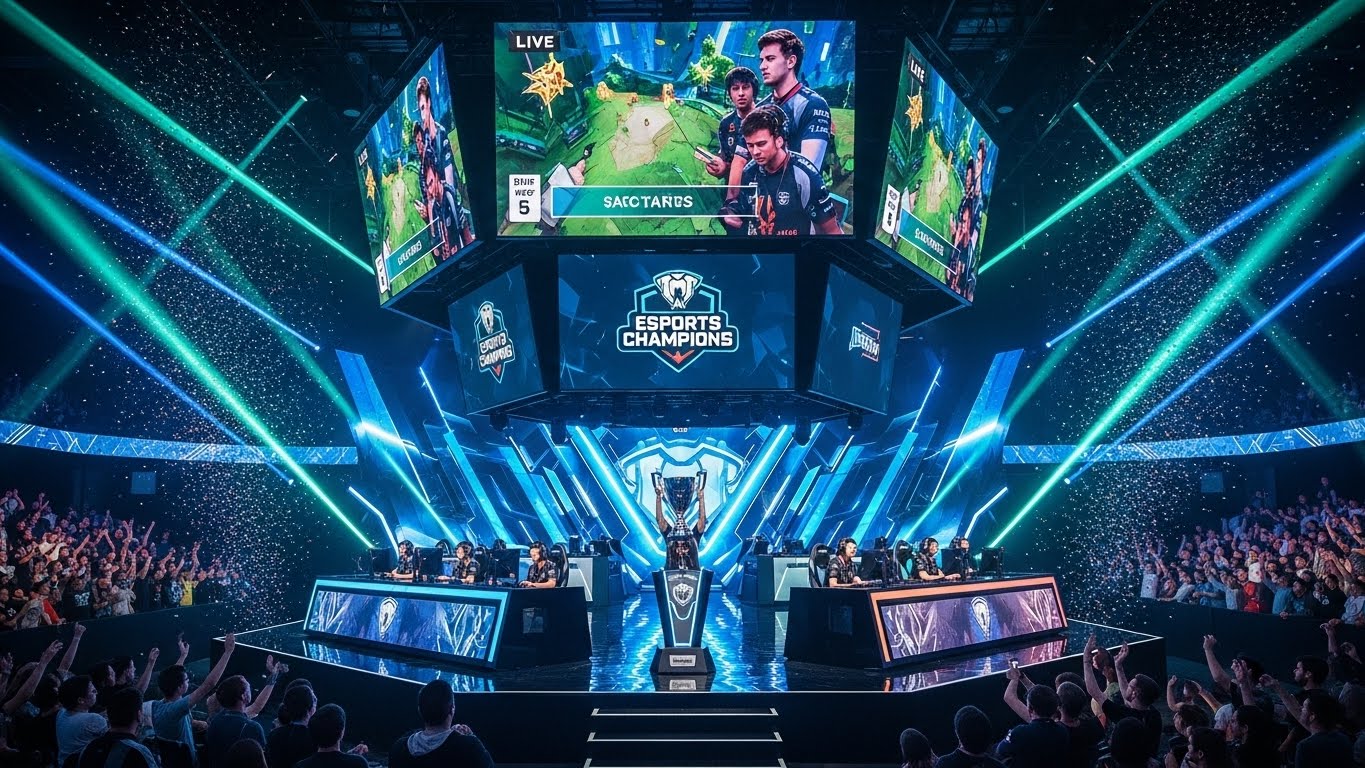
Esports: The Digital Revolution Transforming Competitive Gaming
Introduction: The Rise of Esports
In the past decade, esports has evolved from a niche hobby into a global phenomenon, captivating millions of fans and creating opportunities for players, organizers, and brands alike. What started as informal video game competitions among friends in basements has transformed into structured tournaments with massive prize pools, professional teams, and international recognition. The rapid growth of esports reflects not only technological advancement but also a cultural shift in how society perceives gaming as a legitimate form of competition and entertainment.
Unlike traditional sports, esports thrives in a digital ecosystem, connecting players and fans from different corners of the world in real time. This connectivity, combined with the accessibility of online platforms, has allowed esports to reach audiences far beyond conventional sports viewership. As the industry grows, so does its influence, shaping trends in technology, media, and even education.
The History of Competitive Gaming
Competitive gaming is not a recent development. Its roots trace back to the 1970s and 1980s when arcade games like Space Invaders and Pac-Man sparked local competitions. Early video game tournaments were modest gatherings, often held in arcades or college campuses, but they laid the foundation for organized esports.
The 1990s saw a significant shift with the rise of multiplayer PC games such as Doom, Quake, and StarCraft. These games introduced players to networked competition and clan-based structures, fostering a sense of community among gamers. South Korea, in particular, emerged as a pioneer in professional gaming, with the establishment of StarCraft leagues and televised competitions drawing substantial viewership.
The 2000s marked the beginning of modern esports, with games like Counter-Strike and Warcraft III popularizing competitive online play. By the late 2000s, platforms for live streaming tournaments, such as Twitch, revolutionized how audiences consumed esports, creating a global fanbase and turning gaming into a spectator sport.
Understanding the Esports Ecosystem
Esports is more than just players competing against each other; it is a complex ecosystem involving teams, coaches, organizers, sponsors, broadcasters, and fans. Each component plays a critical role in the success of the industry.
Professional Players and Teams
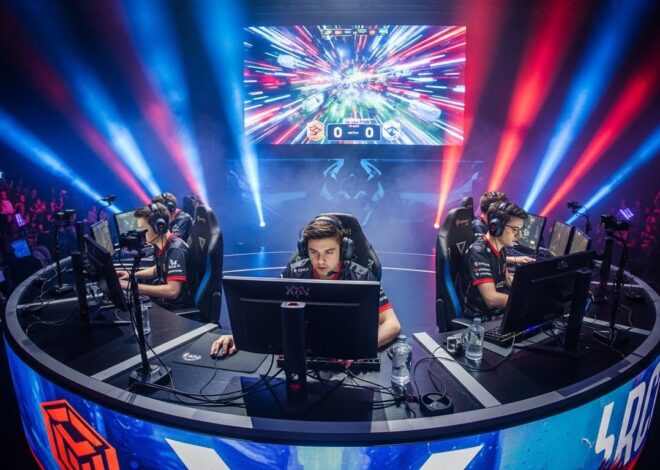
Professional esports players are highly skilled individuals who dedicate countless hours to training and strategy development. Unlike casual gaming, professional players must master their chosen game, maintain peak performance, and continuously adapt to evolving strategies. Teams often employ coaches, analysts, and nutritionists to support players, mirroring the infrastructure of traditional sports organizations.
Tournaments and Leagues
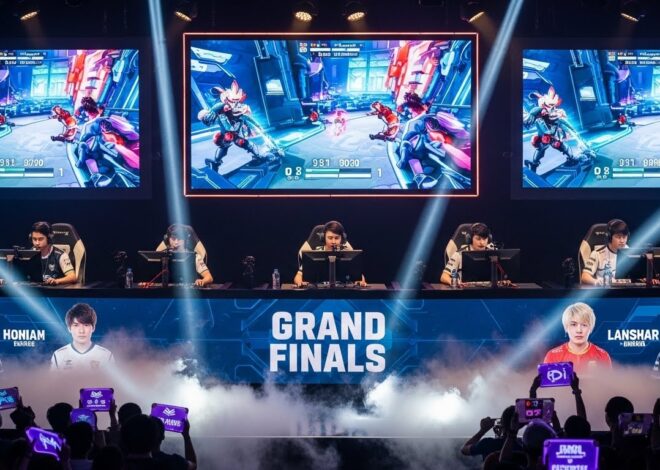
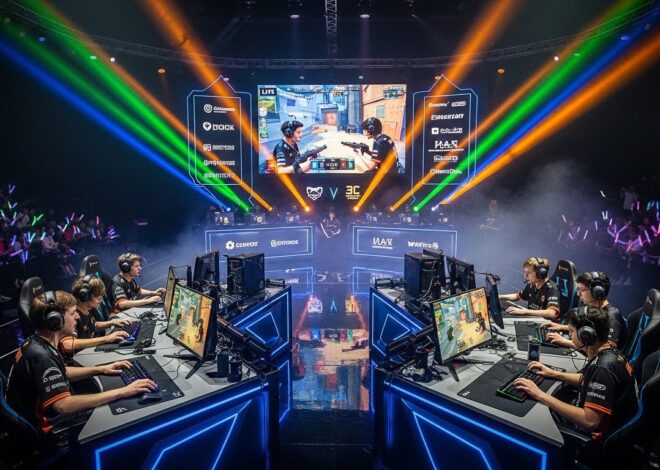
Esports tournaments range from local competitions to global championships with multimillion-dollar prize pools. Leagues such as the League of Legends Championship Series and the Overwatch League provide structured seasons similar to traditional sports leagues. These events not only showcase top-tier competition but also generate significant revenue through ticket sales, sponsorships, and merchandise.
Streaming and Broadcasting
Live streaming platforms have been pivotal to esports’ growth, allowing fans to watch matches from anywhere in the world. Professional broadcasters provide commentary, analysis, and entertainment, enhancing the viewing experience and building a dedicated community around esports titles.
Sponsors and Branding
Brands recognize the marketing potential within esports, partnering with teams, tournaments, and individual players to reach younger, tech-savvy audiences. Sponsorship deals often include in-game branding, merchandise collaborations, and exclusive content, creating mutually beneficial relationships between companies and the esports community.
Popular Esports Titles
The diversity of esports games reflects the wide range of skills and strategies involved in competitive gaming. Popular titles span genres such as multiplayer online battle arenas (MOBAs), first-person shooters (FPS), real-time strategy (RTS), and sports simulations.
- League of Legends: A MOBA game that requires teamwork, strategy, and quick decision-making. Its World Championship is one of the most-watched esports events globally.
- Dota 2: Another MOBA known for its complexity and massive prize pools, particularly The International, which often exceeds thirty million dollars in total rewards.
- Counter-Strike: Global Offensive: A tactical FPS game emphasizing precision, strategy, and coordination. CS:GO has a robust competitive scene with regular international tournaments.
- Fortnite: A battle royale game that blends shooting mechanics with creative building elements. Fortnite’s tournaments attract millions of viewers and offer significant prize money.
- Call of Duty: A first-person shooter series with an active professional league and numerous annual championships.
These games highlight the skill, strategy, and teamwork required for esports, appealing to both players and spectators alike.
The Impact of Esports on Society
Esports has had a profound impact on multiple facets of society, from career opportunities to cultural influence.
Career Opportunities
The growth of esports has created careers beyond professional players. Roles in game development, event management, coaching, marketing, and broadcasting provide pathways for individuals passionate about gaming. Many universities now offer esports scholarships, and some institutions even integrate esports into their academic curriculum, recognizing its potential to develop teamwork, strategy, and technological skills.
Cultural Influence
Esports has contributed to the normalization of gaming within mainstream culture. Once considered a niche activity, gaming is now celebrated for its competitive nature, community-building potential, and entertainment value. Esports has also inspired new forms of media, including documentaries, talk shows, and even fashion collaborations, demonstrating its influence on broader cultural trends.
Technological Advancements
The demands of esports have driven innovation in gaming hardware, streaming technology, and network infrastructure. High-performance PCs, low-latency monitors, and advanced software platforms ensure smooth gameplay and immersive experiences. Additionally, esports has accelerated the adoption of cloud gaming and virtual reality technologies, bridging the gap between gaming and emerging tech.
Challenges Facing Esports
Despite its rapid growth, esports faces several challenges that could impact its sustainability and legitimacy.
Mental Health and Burnout
Professional esports players often experience intense pressure to perform, resulting in mental health challenges such as stress, anxiety, and burnout. The high-stakes nature of competition, coupled with long training hours, can take a toll on both physical and mental well-being. Addressing these issues requires support systems, counseling, and healthy work-life balance strategies.
Regulatory and Legal Issues
Esports lacks a standardized global regulatory framework. Issues such as player contracts, intellectual property rights, and cheating in competitions present legal complexities. Establishing industry-wide standards and ethical practices is crucial to maintaining fairness and credibility.
Diversity and Inclusion
While esports is popular globally, certain regions, genders, and communities remain underrepresented. Efforts to promote diversity and inclusion are essential for creating equitable opportunities and broadening the appeal of competitive gaming.
The Future of Esports
The future of esports looks promising, with continued growth in viewership, revenue, and global participation. Emerging technologies, such as virtual reality, augmented reality, and AI-driven analytics, are poised to enhance gameplay, training, and broadcasting experiences.
As esports becomes increasingly mainstream, it may also influence traditional sports, with hybrid events, esports integrations in Olympic programs, and cross-industry collaborations becoming more common. Moreover, the continued development of grassroots esports communities will ensure the sustainability of the ecosystem, nurturing the next generation of players and fans.
Conclusion: Esports as a Transformative Force
Esports has transformed the concept of competition, entertainment, and career opportunities in the digital age. From humble beginnings in arcades to multimillion-dollar international tournaments, esports embodies the fusion of technology, culture, and human skill. Its influence extends beyond gaming, impacting education, business, and media, and reshaping how society perceives competitive activities.
The journey of esports is far from over. As technology advances, global participation grows, and cultural acceptance deepens, esports will continue to redefine the boundaries of sports, entertainment, and digital innovation. For players, fans, and enthusiasts, esports represents not just a game, but a vibrant, evolving ecosystem with limitless potential.