The Rise of eSports: A New Era of Competitive Gaming and Digital Entertainment
Introduction: The Digital Revolution of Competitive Gaming
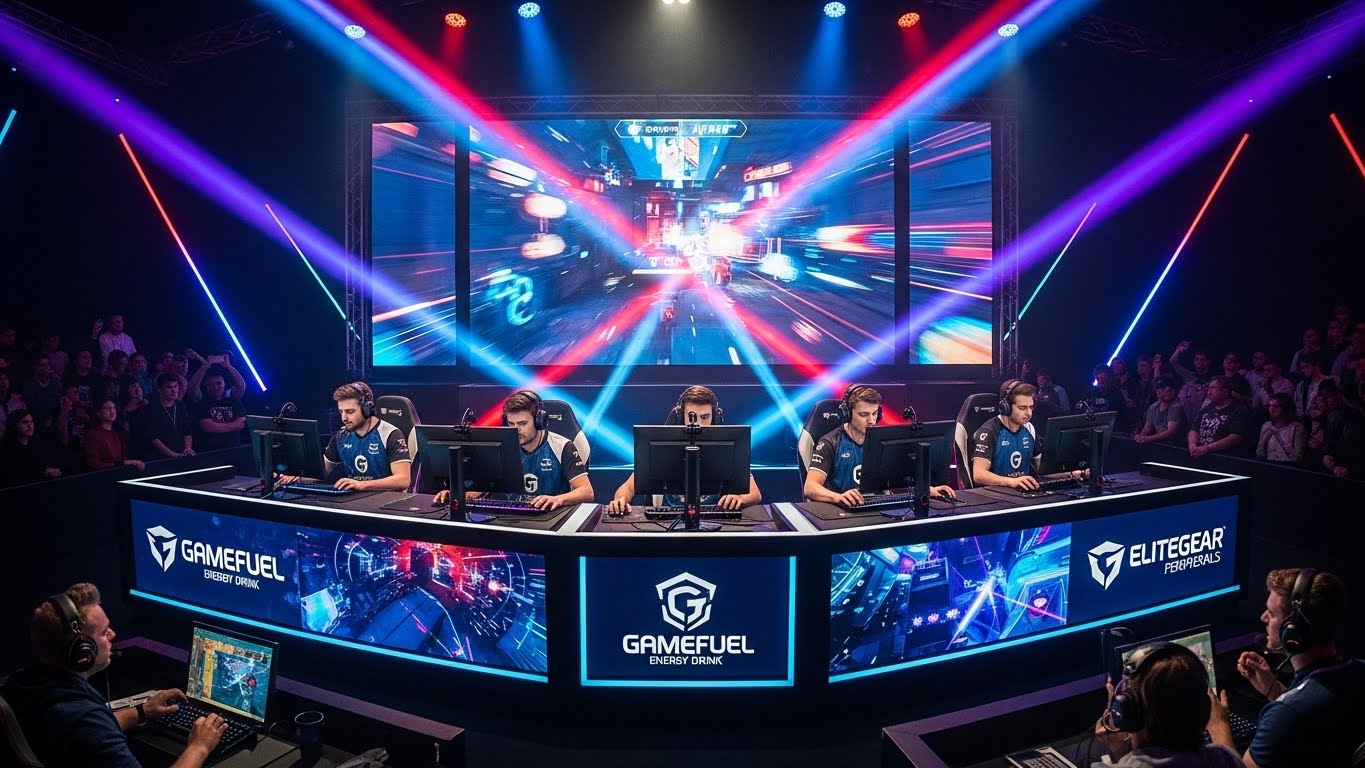
In recent years, a new wave of entertainment has emerged from the realm of digital technology, captivating millions of fans around the globe. That wave is eSports—a term that refers to competitive video gaming. Once regarded as a niche hobby, eSports has rapidly evolved into a global phenomenon, with professional leagues, sponsorship deals, streaming platforms, and major international tournaments drawing in audiences comparable to traditional sports events.
This rise of eSports is not just a passing trend. It represents a cultural shift in how we perceive sports, entertainment, and even careers. What began as casual multiplayer games between friends has now expanded into a billion-dollar industry with players, teams, and fans forming a vibrant community that transcends borders. This blog explores the incredible growth of eSports, its impact on the gaming industry, the business side of the phenomenon, and what the future holds for this digital sport.
The Origins of eSports: From Arcade Competitions to Global Leagues
The roots of eSports can be traced back to the early days of video gaming. In the late 1970s and early 1980s, arcade games like Space Invaders and Pong began to gain popularity. It was during this era that the first competitive gaming tournaments emerged, often held in local arcades or organized by companies to promote their games. These early competitions, while modest, laid the foundation for the competitive gaming scene that would explode in the coming decades.
As gaming technology evolved, so did the scope and scale of gaming competitions. The 1990s saw the advent of online multiplayer games, which allowed players to compete against each other across vast distances. Games like StarCraft, Quake, and Warcraft became the first games to host large-scale competitive events. These early tournaments were often broadcast on television or over the internet, and they began to attract a dedicated following.
It was in the 2000s, however, that eSports truly began to gain momentum. The rise of professional gaming organizations, dedicated tournaments, and the launch of platforms like Twitch and YouTube Gaming gave competitive gaming the visibility it needed to thrive. By the mid-2010s, major tournaments like The International for Dota 2 and the League of Legends World Championship were drawing millions of viewers, both online and in person.
The Growth of eSports: A Global Phenomenon
Today, eSports is a multi-billion-dollar industry. In 2021 alone, the global eSports market was valued at over $1.08 billion, with revenues driven by sponsorships, advertising, media rights, and ticket sales. This rapid growth can be attributed to several factors, including technological advancements, the rise of streaming platforms, and the increasing mainstream acceptance of gaming as a legitimate form of entertainment.
One of the primary catalysts for eSports’ global expansion has been the proliferation of live streaming. Platforms like Twitch, YouTube Gaming, and Facebook Gaming have given gamers and fans a way to interact with each other in real-time. These platforms not only host live streams of eSports tournaments but also provide a space for streamers to build personal brands and connect with a dedicated fanbase.
Additionally, the increasing accessibility of high-speed internet and the global spread of gaming consoles and PCs have made it easier for anyone to participate in eSports, whether they are playing, watching, or creating content. High-quality gaming experiences are now available to anyone with an internet connection, and this accessibility has played a pivotal role in bringing eSports into the mainstream.
The Structure of eSports: Teams, Tournaments, and Players
At the heart of eSports are its professional players, teams, and the tournaments that bring them together. Competitive gaming has evolved into a structured ecosystem with multiple levels of play, from grassroots tournaments to the highest levels of professional competition.
Professional eSports Teams and Players
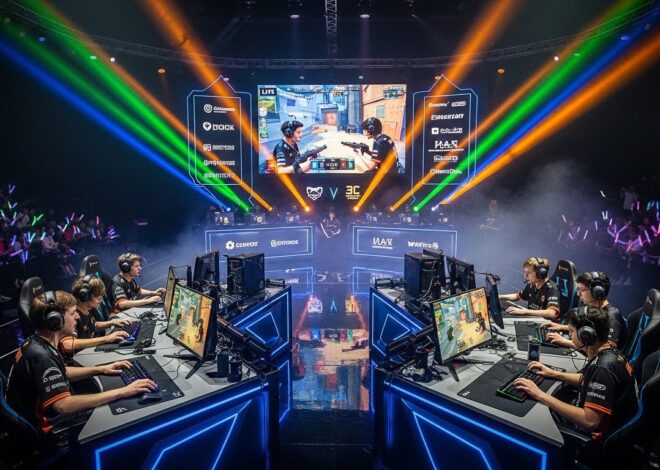
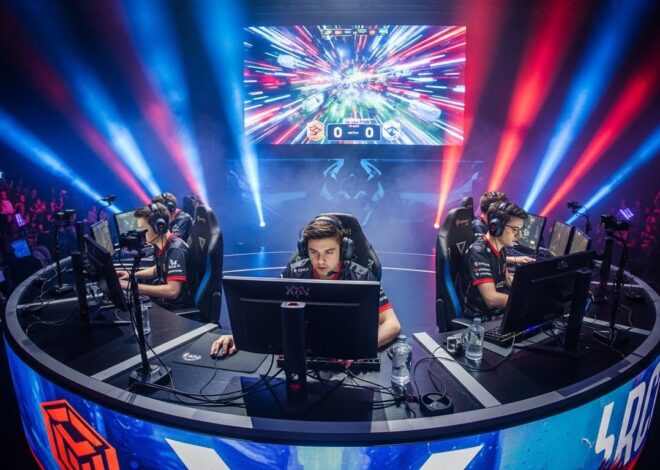
Just like traditional sports, eSports has its stars and franchises. Professional players compete as part of teams, often under sponsorships from major brands. The teams, consisting of highly skilled individuals, compete in various tournaments that are either game-specific or part of larger, multi-game events. Prominent teams like Cloud9, Fnatic, T1, and G2 Esports have built substantial fanbases, and their players have become celebrities in their own right.
Top eSports players train for years to hone their skills, sometimes playing up to 12 hours a day. They often specialize in particular games and strategies, which require intense focus and dedication. Much like athletes in traditional sports, professional gamers maintain strict routines, follow specific diets, and undergo mental training to optimize their performance.
Tournaments and Competitions
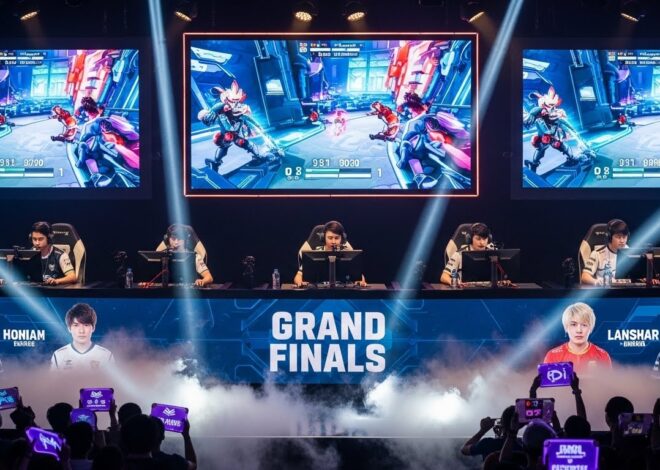
eSports tournaments are the centerpiece of competitive gaming, and some of these events have gained global recognition. Games like League of Legends, Counter-Strike: Global Offensive, Dota 2, and Overwatch all have annual or seasonal tournaments that attract the best players from around the world.
For example, The International for Dota 2 is one of the most prestigious and lucrative eSports tournaments, offering prize pools exceeding $30 million. Similarly, the League of Legends World Championship attracts millions of viewers and showcases top-tier gameplay from all over the globe. These tournaments not only bring together the best players but also feature extensive commentary, analysis, and live broadcasts, making them enjoyable for both hardcore fans and casual viewers.
The Business of eSports: Sponsorships, Streaming, and Merchandising
One of the most striking aspects of eSports is the business side of the industry. eSports has become a thriving ecosystem with numerous revenue streams. Major brands and corporations have recognized the value of eSports and are increasingly investing in sponsorships, partnerships, and advertising.
Sponsorships and Advertising
Companies from diverse sectors, such as Coca-Cola, Intel, Nike, and Mercedes-Benz, sponsor eSports teams and tournaments. These sponsorships can be worth millions of dollars, and the visibility they offer brands has proven to be highly effective. In addition, advertisers use eSports as a platform to target a younger, tech-savvy audience who are difficult to reach through traditional advertising channels.
Streaming Platforms
Platforms like Twitch and YouTube Gaming have transformed how eSports events are consumed. They have given fans the ability to watch live tournaments from anywhere in the world. These platforms also enable content creators to monetize their streams through subscriptions, donations, and advertisements, providing a new avenue for revenue for both players and influencers.
Merchandising and Licensing
The eSports market has also seen significant growth in merchandising. Teams and players have launched branded merchandise, from apparel to gaming peripherals, which fans can purchase to show their support. This has created an additional revenue stream for eSports organizations, further solidifying the commercial viability of the industry.
The Social Impact of eSports: Community and Inclusivity
One of the most remarkable aspects of eSports is its ability to bring people together. The eSports community is diverse, with millions of fans and players from all over the world. eSports has created spaces where individuals can connect, share experiences, and interact with others who share their passion for gaming.
eSports also promotes inclusivity, allowing individuals from different backgrounds to compete on a level playing field. Many eSports games are free-to-play or have low barriers to entry, making them accessible to a broad audience. In addition, there are a growing number of initiatives to promote gender equality in eSports, with organizations and events supporting female players and streamers.
Online platforms, social media, and live streams allow fans to engage with eSports personalities directly, fostering a sense of community. Whether it’s following their favorite players on Twitter or participating in live chat during a tournament, fans are an integral part of the eSports experience.
The Future of eSports: What Lies Ahead?
The future of eSports looks incredibly promising. With its continued growth, we can expect even larger audiences, bigger sponsorship deals, and more game developers getting involved in competitive gaming. The integration of virtual reality (VR) and augmented reality (AR) could further revolutionize the way we experience eSports, creating more immersive and interactive experiences.
eSports could also see greater recognition as a legitimate sport, with universities offering scholarships and academic programs related to gaming and eSports management. As technology continues to evolve, so too will the scope of competitive gaming, opening new possibilities for both players and fans alike.
Conclusion: The Game Is Just Beginning
eSports has come a long way since its humble beginnings in arcades and local LAN parties. Today, it stands as one of the most exciting and rapidly growing entertainment sectors in the world. From its humble origins to its rise as a billion-dollar industry, eSports has proven that gaming is not just a pastime—it’s a global phenomenon that connects people, sparks creativity, and fosters competition.
As eSports continues to evolve, it will undoubtedly shape the future of entertainment, technology, and digital culture. For fans, players, and industry stakeholders, the game is just beginning, and the potential for growth is limitless. The digital revolution of competitive gaming is here to stay, and it’s only going to get bigger and better.