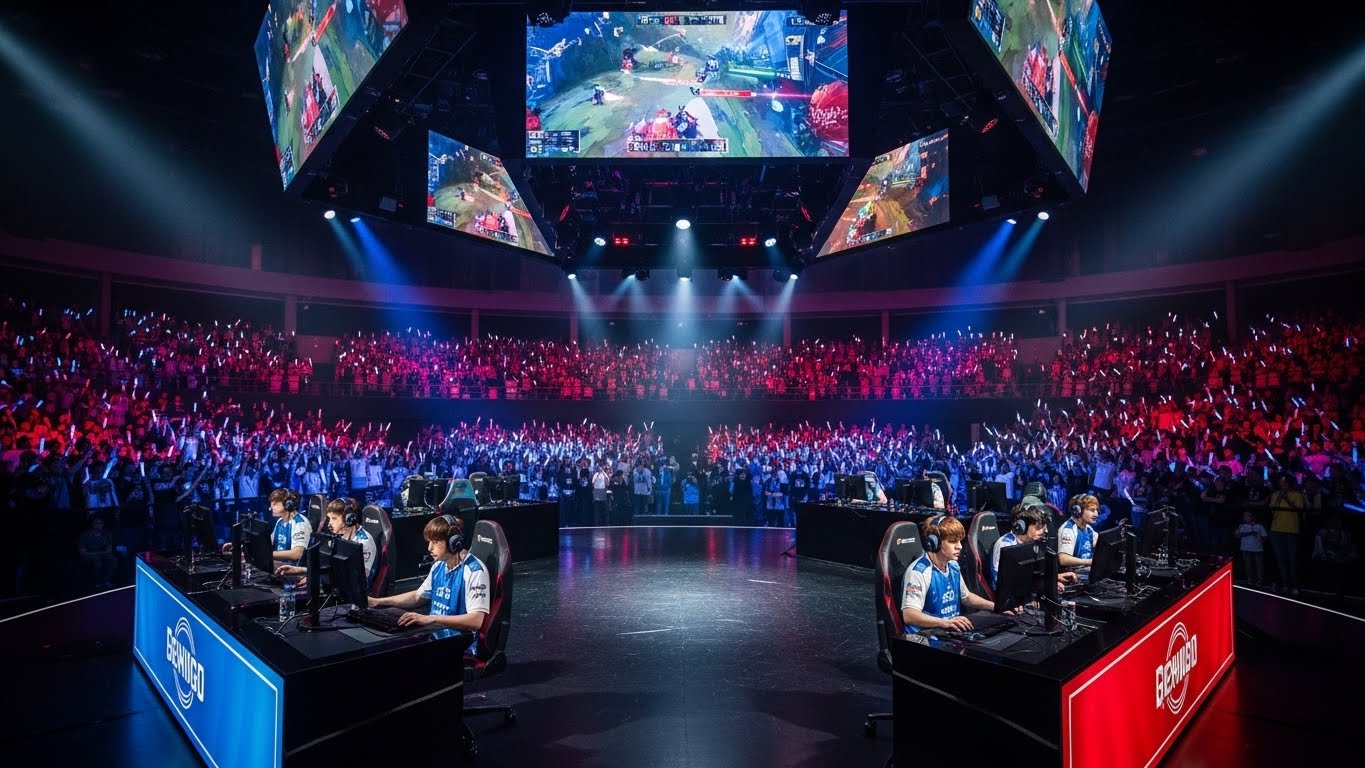
Digital Arenas: How Esports is Redefining Competition and Culture
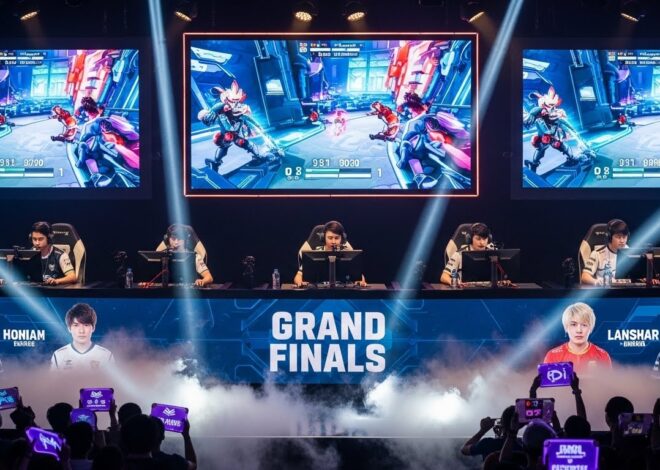
Esports, or electronic sports, has rapidly transitioned from a niche pastime to a global phenomenon. Once dismissed as mere video gaming, esports has now emerged as a legitimate competitive field, complete with professional leagues, international tournaments, and millions of dedicated fans. This transformation is not only redefining what it means to be an athlete but also influencing culture, technology, and social interaction worldwide. In this blog, we will explore the evolution, structure, cultural significance, and future of esports, as well as its impact on individuals and society.
The Origins of Esports
The concept of competitive gaming is not new. In the late 1970s and early 1980s, arcade competitions and early video games like Pong and Space Invaders introduced the idea of competing for high scores. These competitions laid the groundwork for what would eventually become esports. By the 1990s, multiplayer games such as Quake, StarCraft, and Counter-Strike helped formalize competitive gaming. Players organized tournaments, created strategies, and built communities that celebrated skill and strategy.
The growth of the internet in the 2000s significantly expanded esports. Online multiplayer platforms allowed players from around the world to compete in real time. Games like League of Legends, Dota 2, and Overwatch became central to the esports ecosystem, fostering professional leagues, teams, and fan bases. Today, esports is a multi-billion-dollar industry with a professional infrastructure rivaling traditional sports.
Structure of Esports Competitions
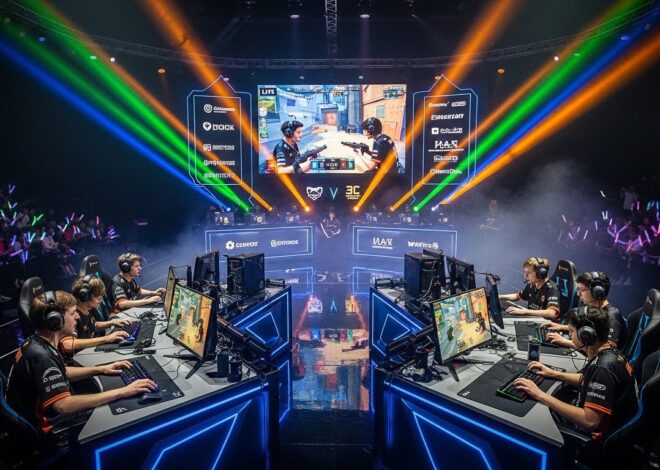
Esports competitions resemble traditional sports in their organization and structure. They feature leagues, tournaments, seasonal events, and world championships. Popular esports titles are grouped by genre, including first-person shooters, real-time strategy games, and multiplayer online battle arenas. Each game has its professional leagues, where teams compete for rankings, prize money, and global recognition.
Unlike traditional sports, esports competitions are digital, which removes geographical barriers. Online qualifiers and regional tournaments allow players worldwide to participate and showcase their talent. This accessibility has contributed significantly to the rapid growth of esports as both a competitive pursuit and an entertainment medium.
Technology: The Backbone of Esports
Technology drives every aspect of esports. High-performance gaming computers, fast internet connections, advanced gaming peripherals, and streaming platforms are essential for competitive play. The evolution of graphics, artificial intelligence, and game design has transformed gameplay and enhanced spectator engagement.
Streaming platforms have revolutionized how fans experience esports. Millions can watch live tournaments, interact with players, and participate in real-time discussions. The digital nature of esports allows for a level of interaction and immersion unparalleled in traditional sports, creating a dynamic, global community of players and viewers.
Professional Opportunities in Esports
Esports offers a wide range of career opportunities. Professional players can earn salaries, sponsorships, and prize money that rival traditional sports athletes. Beyond playing, esports careers include coaching, event management, broadcasting, content creation, game development, marketing, and more.
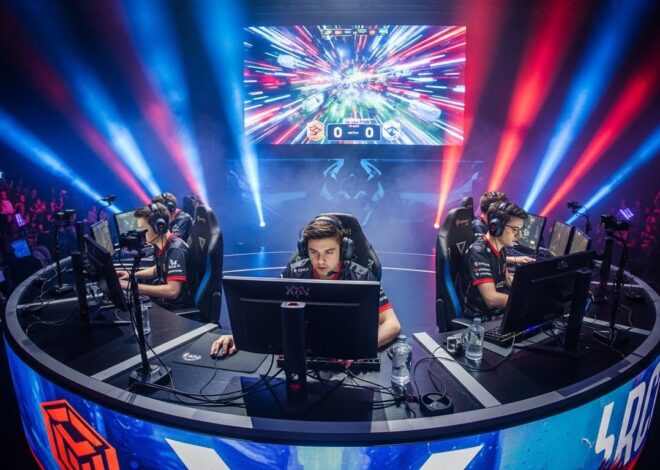
Professional players dedicate extensive hours to practice, strategy, and analysis. Training can range from eight to twelve hours daily, requiring discipline, focus, and resilience. These demands highlight the similarities between esports and traditional sports, emphasizing the skill, strategy, and commitment required to excel.
Mental and Physical Demands of Esports
While esports is primarily digital, it requires significant mental and physical effort. Players need sharp reflexes, quick decision-making, strategic thinking, and effective teamwork. The high-speed nature of competitive gaming demands continuous concentration and adaptability.
Physical health is also critical. Long gaming sessions can lead to eye strain, posture problems, and repetitive stress injuries. Many professional organizations now emphasize fitness routines, nutrition, and mental health support to maintain players’ overall well-being. This holistic approach ensures that athletes can sustain peak performance while minimizing health risks.
Esports as a Social Platform
Esports fosters vibrant communities where players and fans connect. Multiplayer games encourage teamwork, communication, and collaboration. Fans and players share experiences, strategies, and victories, creating a sense of belonging and camaraderie.
Online forums, streaming platforms, and social media have amplified these connections. Fans can follow their favorite players, engage in discussions, and participate in tournaments themselves. This social aspect of esports makes it more than just a competitive activity—it becomes a shared cultural experience.
Cultural Impact of Esports
Esports has become a major cultural force, particularly among younger generations. Gaming terminology, fashion, music, and entertainment trends are increasingly influenced by the esports industry. Professional players have achieved celebrity status, inspiring millions of fans and shaping popular culture.
Esports also challenges traditional notions of sports and athleticism. Mental agility, strategy, and teamwork are valued alongside reflexes and focus, redefining what it means to be competitive. By expanding the concept of sports, esports encourages society to recognize diverse forms of talent and skill.
Educational Integration of Esports
Many educational institutions now recognize esports as a legitimate field. Schools and universities offer esports scholarships, establish gaming clubs, and provide courses in game design, strategy, and esports management. These programs foster skills such as leadership, teamwork, critical thinking, and digital literacy.
Esports education also prepares students for careers within the industry. Opportunities exist in broadcasting, software development, event management, marketing, and content creation. By integrating esports into educational programs, institutions help students transform their passion into viable professional paths.
Economic Impact of Esports
Esports has become a multi-billion-dollar industry with significant economic impact. Revenue comes from sponsorships, advertising, merchandise, media rights, and tournament prize pools. Global brands invest in esports to engage younger audiences, recognizing the influence and reach of this digital medium.
The esports business model is unique, blending entertainment, competition, and media engagement. Companies continue to innovate, creating new games, platforms, and experiences that attract fans and investors alike. This economic growth demonstrates that esports is not only a cultural phenomenon but also a sustainable industry.
Challenges Facing Esports
Despite its success, esports faces challenges. The intense pressure on players can lead to burnout, mental health issues, and physical strain. Additionally, the lack of standardized regulations across games and tournaments can result in inconsistencies in rules and player welfare.
Inclusivity and diversity remain areas for improvement. While esports has a global audience, certain groups are underrepresented in professional play and leadership roles. Addressing these challenges is essential for the continued growth and credibility of esports as a professional and cultural domain.
The Future of Esports
The future of esports is promising and transformative. Emerging technologies such as virtual reality, augmented reality, and artificial intelligence will change gameplay, training, and audience experiences. Esports may also integrate with traditional sports and entertainment, creating hybrid events that appeal to a wider audience.
As esports continues to expand, it will likely influence broader societal trends, from digital engagement to career development. The growth of esports highlights the potential of digital platforms to redefine competition, culture, and community in the modern world.
Conclusion: Esports as a Modern Cultural Force
Esports has evolved from a niche gaming hobby into a major cultural, social, and economic force. It challenges traditional notions of competition, athleticism, and entertainment while offering opportunities for careers, community building, and personal growth. The mental, physical, and social demands of esports underscore its significance beyond the digital arena.
Esports demonstrates the power of technology and human creativity, showing that passion and skill can transcend physical boundaries. It is more than gaming—it is a reflection of innovation, cultural change, and the limitless potential of digital competition. As esports continues to grow, it will shape the future of entertainment, education, and sports, establishing itself as a defining feature of modern society.