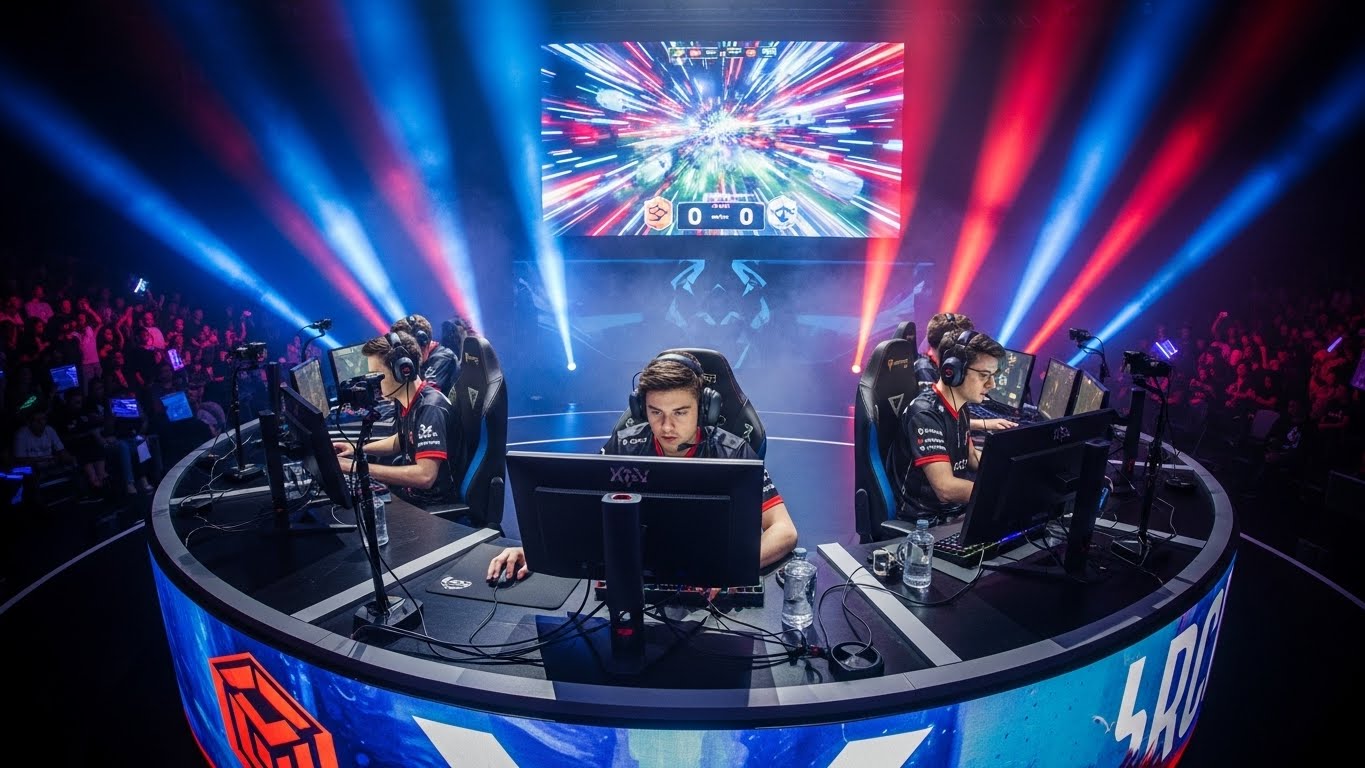
The Rise of Esports: How Competitive Gaming is Redefining Entertainment
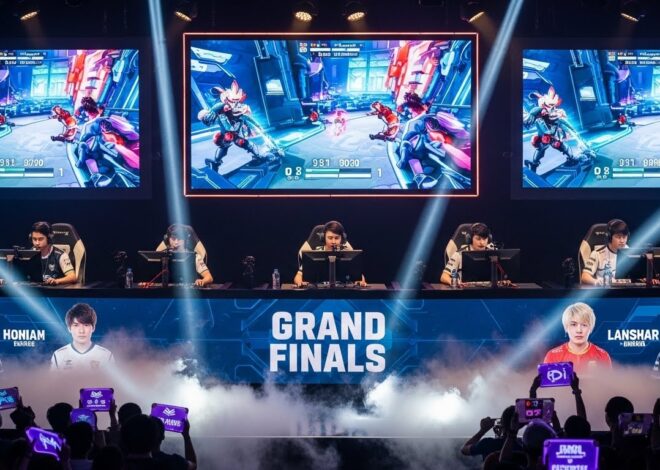
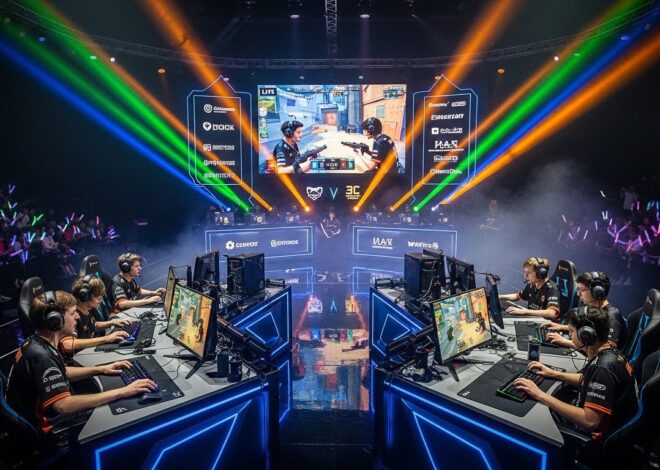
In the last decade, esports has transitioned from a niche hobby into a global phenomenon, transforming how people perceive competitive gaming. Once considered a pastime reserved for casual gamers, esports now commands massive audiences, attracts corporate sponsorships, and even offers career opportunities for professional players. This blog explores the evolution of esports, its impact on society, the business behind it, and what the future may hold for this dynamic industry.
The Origins of Esports
The concept of competitive gaming is not entirely new. As early as the 1970s, video game competitions began to take shape, with arcade tournaments and early computer games offering players the chance to test their skills against others. One of the first major milestones came in 1980 when a nationwide competition called the Space Invaders Championship was organized, drawing thousands of participants across the United States.
The 1990s marked a turning point with the rise of multiplayer PC games such as Doom and Quake. These games introduced competitive elements that went beyond casual play, leading to the establishment of early esports leagues. By the early 2000s, South Korea had transformed esports into a cultural phenomenon, with televised tournaments, professional teams, and gaming celebrities gaining widespread recognition. This period laid the groundwork for the modern esports ecosystem.
Understanding Esports: What Makes It Different
Esports is distinct from traditional sports primarily because it exists entirely in a digital space. Unlike physical sports, competitive gaming relies on strategy, quick reflexes, and teamwork within virtual environments. Popular esports titles span various genres, including first-person shooters, multiplayer online battle arenas, real-time strategy games, and sports simulation games.
Each esports title has its own set of rules, competitive structures, and skill requirements. For instance, first-person shooters like Counter-Strike demand precision and quick reaction times, while games like League of Legends require strategic planning and in-depth knowledge of character abilities. Despite differences in gameplay, all esports share one common feature: the pursuit of excellence in a structured competitive setting.
The Global Esports Market
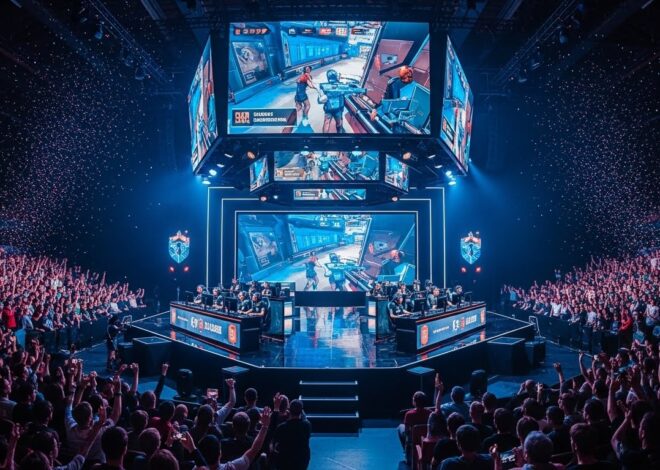
Esports is no longer a pastime; it has become a multi-billion-dollar industry. Analysts estimate that the global esports market generates revenues exceeding billions annually, driven by sponsorships, advertising, merchandise, and ticket sales from live events. Major tournaments now rival traditional sports in terms of audience size, with millions of viewers tuning in online to watch their favorite teams compete.
China, the United States, and South Korea are among the largest markets, but esports has experienced rapid growth in Europe, Southeast Asia, and Latin America. Streaming platforms have played a critical role in this expansion, making competitive gaming accessible to anyone with an internet connection. The widespread availability of high-speed internet has effectively removed geographical barriers, allowing esports fans from all corners of the globe to engage with the community.
Professional Players and the Career Path
For many, esports represents more than entertainment—it is a viable career option. Professional players undergo rigorous training schedules, often practicing for up to ten hours a day to maintain peak performance. Similar to athletes in traditional sports, esports professionals rely on a combination of skill, strategy, and teamwork to succeed in tournaments.
Beyond playing, the esports industry offers numerous career opportunities, including coaching, content creation, event management, broadcasting, and marketing. Universities and colleges have even started offering esports scholarships and programs, recognizing gaming as a legitimate field of study and career preparation. This professionalization has added credibility to the industry, transforming perceptions of gaming as a hobby into a serious vocation.
The Role of Technology in Esports
Technology is at the heart of esports. High-performance computers, gaming consoles, and peripherals like mechanical keyboards and precision mice are essential tools for competitive players. Advanced graphics, low-latency internet, and live-streaming platforms enable seamless gameplay and real-time audience interaction.
Moreover, analytics and artificial intelligence have become invaluable in esports training. Teams use data-driven approaches to study gameplay patterns, optimize strategies, and gain a competitive edge. Virtual reality and augmented reality technologies are also beginning to influence the esports landscape, opening possibilities for immersive tournaments and enhanced spectator experiences.
Esports and Community Building
Esports thrives not only because of competition but also because of the communities it fosters. Online forums, social media groups, and streaming platforms allow fans to connect, share experiences, and support their favorite teams. Tournaments often cultivate a sense of belonging, where players and fans feel part of a larger global ecosystem.
The community aspect extends beyond entertainment. Many esports organizations engage in charitable initiatives, youth programs, and educational campaigns. These activities demonstrate the positive social impact of esports, challenging stereotypes of gaming as an isolating or purely recreational activity.
Challenges Facing the Esports Industry
Despite its rapid growth, esports faces several challenges. One major issue is sustainability. The intense training schedules, high-pressure environments, and constant need to adapt to new games can lead to burnout among professional players. Mental health has become a critical focus, with teams implementing support systems to address stress and anxiety.
Another challenge lies in regulation and standardization. Unlike traditional sports, esports lacks a unified governing body to enforce rules, manage disputes, or ensure fair play. While organizations and leagues have developed internal guidelines, the industry still grapples with issues such as cheating, match-fixing, and inconsistent tournament standards.
Additionally, monetization and long-term revenue models remain a concern. While sponsorships and media rights generate substantial income, smaller teams and leagues often struggle to achieve financial stability. Finding sustainable ways to fund grassroots initiatives and maintain competitive balance is an ongoing challenge.
The Impact of Esports on Society
Esports has had a significant cultural and social impact. It has challenged traditional notions of sports and competition, proving that mental agility and digital skills can be as compelling as physical prowess. The rise of esports has also influenced entertainment, media, and technology industries, driving innovation in streaming, content creation, and gaming hardware.
Furthermore, esports promotes inclusivity. Unlike traditional sports, which may have physical barriers, gaming allows participants of varying abilities, ages, and backgrounds to compete on an equal footing. Women’s esports leagues and initiatives to promote diversity have further expanded access, creating a more inclusive and representative gaming environment.
The Future of Esports
The future of esports appears promising and full of potential. With technological advancements, audience engagement is likely to become even more interactive. Virtual reality tournaments, real-time analytics for viewers, and AI-driven coaching tools could redefine the competitive experience for both players and fans.
Moreover, the integration of esports into educational systems and professional development programs will continue to elevate its legitimacy. As corporate investment grows and mainstream media coverage expands, esports may one day stand on equal footing with traditional sports in terms of societal recognition and cultural influence.
Conclusion
Esports has evolved from humble beginnings into a global powerhouse that reshapes entertainment, technology, and social interaction. Its growth demonstrates the power of digital platforms to create vibrant communities, inspire professional careers, and drive innovation across industries. While challenges remain, the trajectory of esports suggests a future where competitive gaming is not only mainstream but an essential part of cultural and technological progress.
As esports continues to mature, it will redefine how society views competition, skill, and achievement in the digital age. For players, fans, and investors alike, the world of esports promises excitement, opportunity, and a glimpse into the future of interactive entertainment.