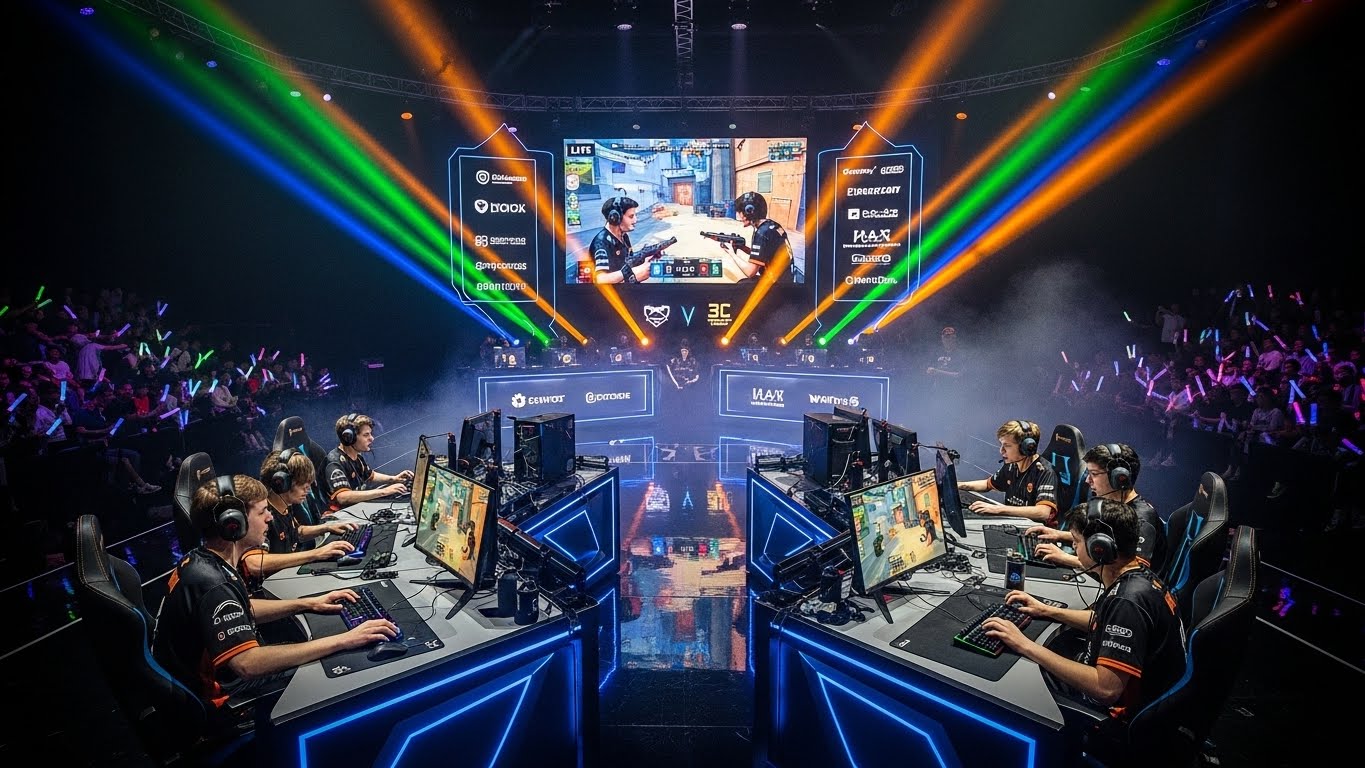
Beyond The Screen: The Rise And Reality Of Esports
Beyond the Screen: The Rise and Reality of Esports
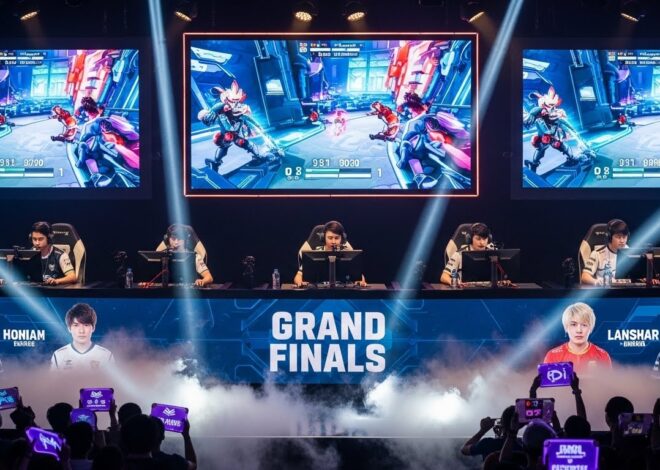
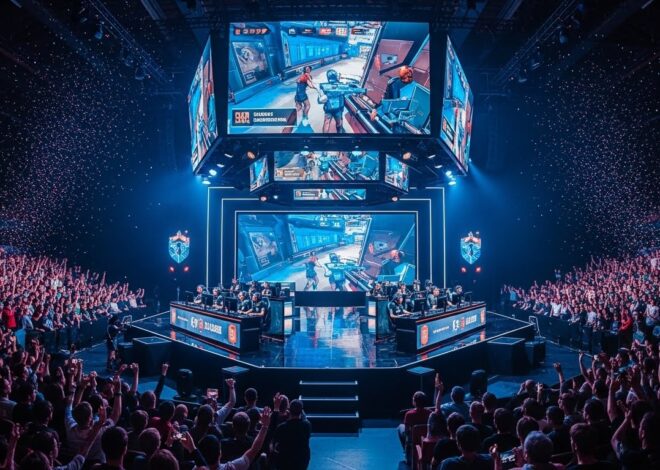
Introduction Esports, short for electronic sports, has transformed from a niche pastime into a global cultural and economic force. What once began in small internet cafes and living rooms has grown into sold out arenas, multimillion dollar tournaments, and careers that rival traditional sports in visibility and influence. Esports today is not simply about playing video games competitively; it is a complex ecosystem involving athletes, coaches, analysts, broadcasters, sponsors, and millions of fans. This blog explores how esports evolved, why it matters, and where it is headed in the years to come.
The Early Roots of Competitive Gaming Competitive gaming did not appear overnight. Its roots can be traced back to the early days of arcade machines and home consoles, when players competed for high scores rather than trophies. Local competitions and informal challenges laid the groundwork for organized play. As personal computers and local area networks became more accessible, multiplayer games allowed competition on a new scale. These early communities created rules, formats, and reputations, forming the foundation of modern esports culture.
The Internet and the Birth of Modern Esports The rise of the internet marked a turning point for competitive gaming. Online connectivity allowed players from different cities and countries to compete regularly, sharpening skills and raising overall standards. Streaming technology later amplified this growth by turning gameplay into entertainment. Fans no longer needed to attend events physically to feel involved. Watching skilled players live, learning strategies, and engaging in chat created a sense of shared experience that accelerated esports into mainstream awareness.
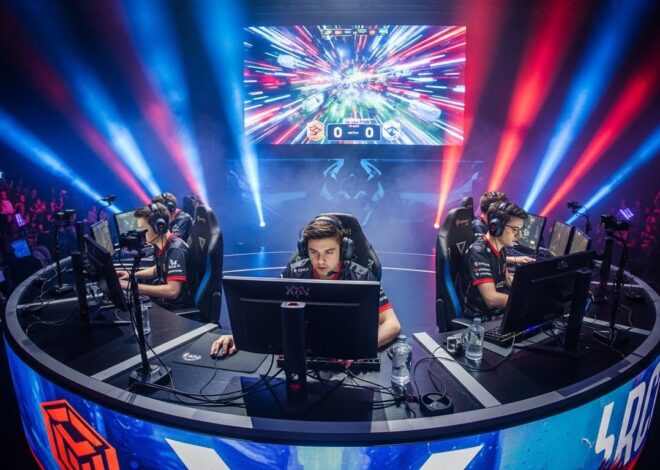
Esports as a Professional Industry Today, esports functions as a professional industry with structured leagues, contracts, and governing bodies. Professional players train for long hours, study opponents, and work with coaches to refine their performance. Teams operate like sports organizations, managing schedules, branding, and talent development. Behind the scenes, managers, psychologists, nutritionists, and analysts support players to maintain peak performance, highlighting how serious and demanding esports has become.
The Role of Game Publishers Unlike traditional sports, esports relies heavily on game publishers, who own the intellectual property of the games themselves. These companies influence tournament formats, balance updates, and long term competitive viability. Their involvement can be both a strength and a challenge. On one hand, publisher support brings funding, marketing, and stability. On the other, changes to a game can instantly reshape the competitive landscape, forcing players and teams to adapt quickly.
The Players and Their Journey Professional esports players often begin their journey at a young age, driven by passion and countless hours of practice. The path to success is highly competitive, with only a small percentage reaching the top tiers. Mental resilience is just as important as mechanical skill. Players must handle pressure, public scrutiny, and rapid career changes. Despite these challenges, many players find fulfillment in representing teams, inspiring fans, and turning their passion into a profession.
Fans and Community Culture Esports thrives because of its deeply engaged fan communities. Fans do more than watch; they analyze strategies, create content, and participate in discussions that shape the scene. Community culture varies from game to game, but it often emphasizes inclusivity, creativity, and shared identity. This close relationship between players and fans helps esports maintain authenticity and emotional connection, even as it grows into a large industry.
Economic Impact and Sponsorship The economic impact of esports is significant and continues to expand. Revenue streams include sponsorships, advertising, merchandise, ticket sales, and media rights. Brands are drawn to esports because of its young, digitally native audience. For many companies, esports provides a way to connect with consumers in an environment that feels organic rather than intrusive. This commercial growth has helped legitimize esports in the eyes of investors and the wider public.
Esports and Education Educational institutions around the world have begun to recognize esports as a legitimate field of study and competition. Schools and universities now offer esports programs, scholarships, and dedicated facilities. These initiatives focus not only on gameplay but also on skills such as teamwork, communication, event management, and digital production. By integrating esports into education, institutions help students explore career paths beyond professional play.
Health, Wellness, and Balance As esports matured, concerns about player health and well being became more prominent. Long practice hours, screen exposure, and high stress levels can take a toll if not managed properly. In response, many organizations emphasize physical fitness, mental health support, and balanced lifestyles. This shift reflects a broader understanding that sustainable success in esports requires caring for the whole person, not just in game performance.
Global Reach and Cultural Influence Esports is inherently global, connecting players and fans across borders. International tournaments showcase diverse cultures and play styles, fostering mutual respect and understanding. Esports has also influenced fashion, music, and language, becoming part of broader popular culture. Its global nature allows smaller regions to gain visibility, proving that talent can emerge from anywhere with access and dedication.
Challenges Facing the Esports Industry Despite its growth, esports faces several challenges. Issues such as inconsistent regulation, player burnout, and financial sustainability remain concerns. Rapid expansion can sometimes outpace infrastructure and governance. Addressing these challenges requires collaboration among publishers, teams, players, and organizers. Long term success will depend on building stable systems that protect participants while encouraging innovation.
The Future of Esports The future of esports looks promising yet complex. Advances in technology, such as improved virtual experiences and data analytics, will continue to reshape competition and viewership. As audiences grow older and more diverse, content and formats may evolve to meet changing expectations. Esports is likely to coexist with traditional sports rather than replace them, offering new forms of competition and entertainment that reflect a digital world.
Conclusion Esports has moved far beyond its early days as a hobby, becoming a powerful blend of sport, entertainment, and culture. Its rise reflects changes in how people play, watch, and connect in the digital age. While challenges remain, the passion of players and fans continues to drive esports forward. As it evolves, esports stands as a symbol of how technology can create new arenas for human competition, creativity, and community.