The Rise of Esports: How Competitive Gaming is Redefining Entertainment
Esports, or competitive gaming, has rapidly evolved from a niche hobby into a global phenomenon. With millions of players and viewers around the world, esports is not just changing how people play games—it is transforming the entire landscape of entertainment, technology, and even sports culture. This article explores the rise of esports, its impact on society, the key games and tournaments driving the industry, and what the future holds for competitive gaming.
The Origins of Esports
Competitive gaming has roots stretching back several decades, beginning with local arcade tournaments and early computer game competitions. In the 1970s and 1980s, players competed in games like Space Invaders and Pac-Man, often for small prizes and bragging rights. The first large-scale video game tournaments began appearing in the 1980s, with events such as the Space Invaders Championship drawing hundreds of participants.
With the rise of the internet in the late 1990s and early 2000s, multiplayer online games became increasingly popular. Titles like StarCraft, Counter-Strike, and Warcraft III allowed players to compete against each other globally. This era laid the foundation for modern esports, combining skill, strategy, and teamwork in ways that traditional sports could not replicate.
The Growth of Esports as a Profession
What once was a hobby is now a legitimate profession for thousands of players worldwide. Professional esports players train rigorously, much like athletes in traditional sports. Their daily routines often include hours of practice, strategy discussions, and physical conditioning to maintain focus and reflexes.
Esports organizations, similar to sports clubs, sponsor players and teams, providing salaries, training facilities, and marketing support. Popular teams compete in leagues and tournaments, earning prize money, sponsorship deals, and fan support. This professionalization has elevated esports into a career path for talented individuals, offering opportunities not only for players but also for coaches, analysts, and content creators.
Popular Esports Games and Genres
Esports covers a wide range of game genres, each with unique competitive formats and fan bases. Multiplayer online battle arena (MOBA) games like League of Legends and Dota 2 are among the most popular, combining strategy, teamwork, and quick decision-making. First-person shooters (FPS) such as Counter-Strike: Global Offensive and Call of Duty attract players who excel in precision and reflexes.
Battle royale games, exemplified by Fortnite and PUBG, have introduced a new style of competition where survival and strategy meet fast-paced action. Fighting games, including Street Fighter and Super Smash Bros., emphasize individual skill and timing. Sports simulations, such as FIFA and NBA 2K, allow players to compete in virtual versions of traditional sports, bridging the gap between gaming and mainstream athletic competition.
Major Esports Tournaments
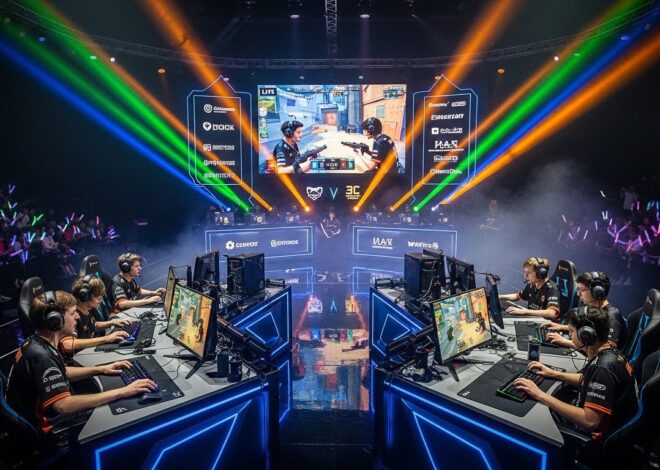
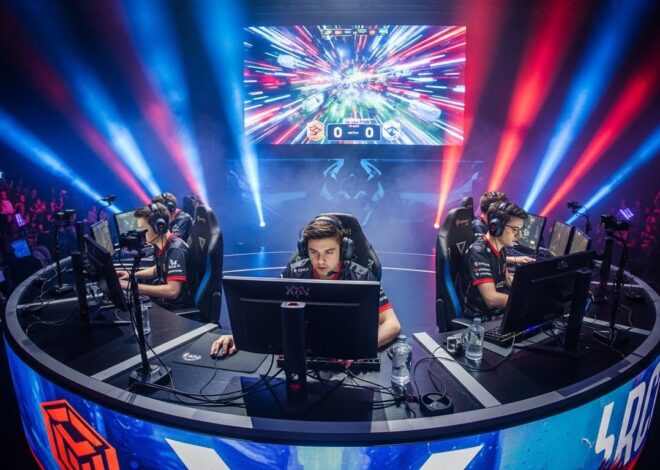
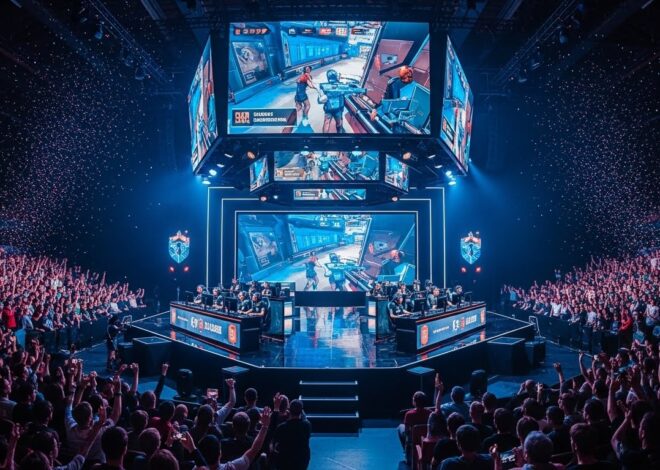
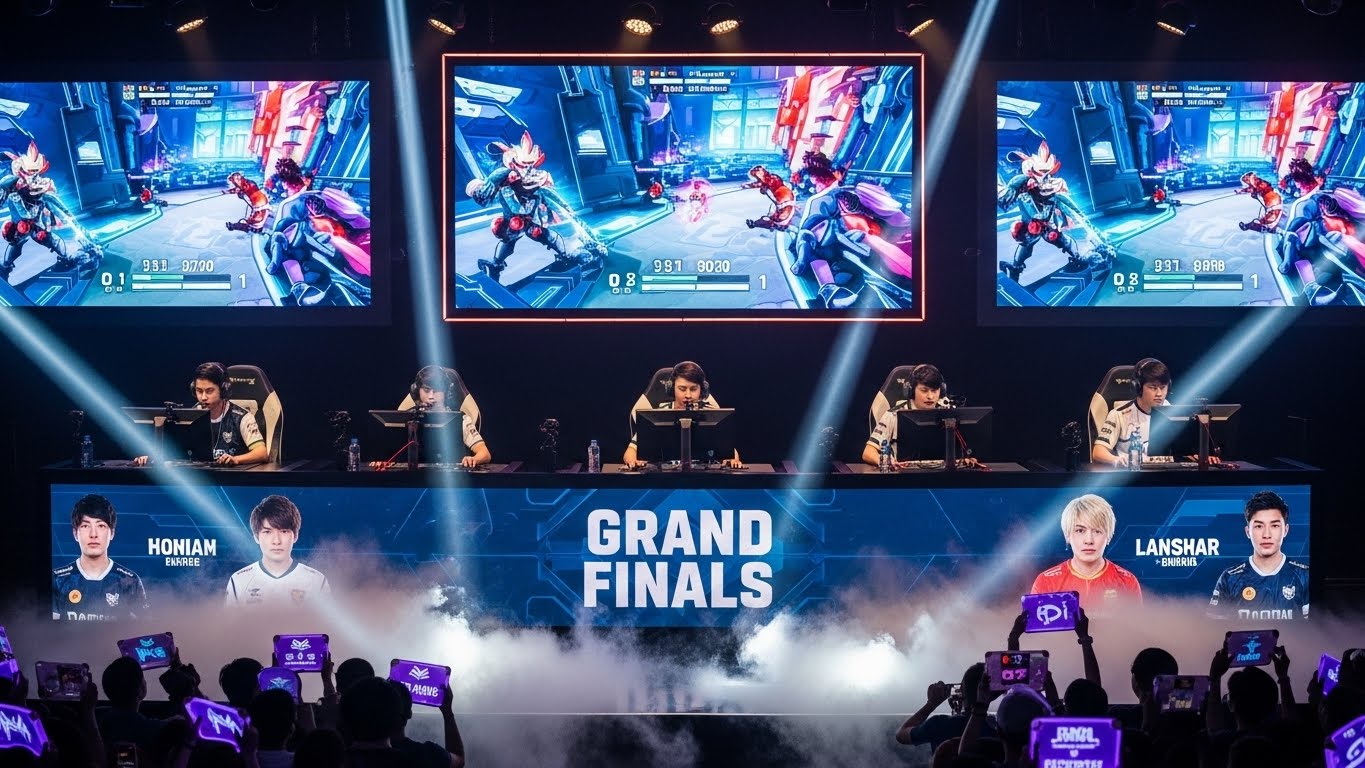
Esports tournaments are at the heart of the industry, attracting massive audiences both online and in physical venues. Events like The International for Dota 2, the League of Legends World Championship, and the Fortnite World Cup feature prize pools in the millions, highlighting the growing financial significance of esports.
These tournaments are not just competitions—they are spectacles. Professional teams are streamed to millions of viewers worldwide, with commentary, live analysis, and interactive content. Fans engage through social media, live chats, and in-person events, creating a vibrant and participatory community. The scale of these events rivals traditional sports championships, reflecting esports’ legitimacy as a mainstream entertainment form.
The Economics of Esports
The esports industry has become a significant economic force, generating revenue through multiple channels. Sponsorships and advertising contribute heavily, with brands partnering with teams, tournaments, and individual players to reach highly engaged audiences. Merchandise sales, including team jerseys, gaming peripherals, and collectibles, provide additional revenue streams.
Media rights and streaming platforms also play a major role. Esports content is often streamed on dedicated platforms, where viewers can watch live competitions, highlights, and commentary. Revenue is generated through subscriptions, advertising, and digital tipping systems, creating a sustainable model for both content creators and organizations.
Investors are increasingly recognizing esports as a viable business opportunity, leading to funding for teams, tournament organizers, and technology companies supporting competitive gaming. The financial growth of esports reflects its expanding influence on the entertainment industry.
The Role of Streaming and Content Creation
Streaming platforms have transformed esports from a niche activity into a global spectacle. Services allow players and teams to broadcast their games live, engage with fans, and monetize content. Popular streamers build personal brands and communities, often rivaling professional athletes in influence.
Content creation goes beyond live streams. Highlights, tutorials, and behind-the-scenes videos provide fans with multiple ways to engage with their favorite games and players. Social media amplifies these efforts, connecting audiences across the globe. The combination of streaming and social engagement has helped esports thrive, creating a dynamic ecosystem of entertainment and interaction.
The Social Impact of Esports
Esports has a profound social impact, particularly among younger generations. It fosters community and collaboration, as players often form long-lasting friendships through online and offline interactions. Teams promote teamwork, strategy, and communication skills, which can translate into personal and professional development.
Additionally, esports challenges traditional ideas about sports and competition. It offers an inclusive space for individuals regardless of physical ability, gender, or geographic location. Adaptive esports initiatives provide opportunities for players with disabilities, highlighting the accessibility of gaming compared to traditional sports.
However, esports also faces challenges, such as gaming addiction and the pressure of competitive environments. Ensuring a healthy balance between professional gaming and personal well-being is critical for the sustainable growth of the industry.
Esports and Education
Esports is increasingly entering educational institutions, with schools and universities establishing competitive teams and programs. Collegiate esports leagues provide scholarships and structured competitions, similar to traditional sports programs.
These initiatives foster skill development in areas like strategic thinking, communication, and digital literacy. Educational institutions are recognizing that esports can provide pathways to careers in technology, media, and game design. Furthermore, esports programs encourage community engagement and school spirit, integrating gaming into broader educational experiences.
Technology Driving Esports
Technology underpins the growth and success of esports. High-performance gaming PCs, consoles, and peripherals allow players to perform at their peak. Fast, reliable internet connections and cloud-based gaming solutions facilitate global competition without latency issues.
Software tools for analytics and strategy development are also critical. Teams use data to evaluate performance, identify strengths and weaknesses, and optimize gameplay. Advances in virtual reality and augmented reality may further enhance the esports experience, offering immersive environments for both players and spectators. Technology continues to expand the boundaries of what esports can achieve, both competitively and experientially.
The Future of Esports
The future of esports looks promising, with continued growth in viewership, revenue, and mainstream recognition. Traditional sports organizations are investing in esports divisions, while governments and private investors explore opportunities in tournaments, facilities, and technology.
Emerging trends, such as mobile esports, virtual reality competitions, and AI-driven training tools, are likely to expand the audience and improve competitive standards. Esports could also play a significant role in shaping future entertainment ecosystems, combining gaming, streaming, social interaction, and technology in ways that redefine how people consume media.
Moreover, esports may influence cultural perceptions of sports, competition, and professional careers. As more players and fans embrace competitive gaming, it could become a defining aspect of global entertainment culture.
Conclusion
Esports has grown from small arcade tournaments to a billion-dollar global industry, shaping how we play, watch, and experience games. It blends skill, strategy, technology, and entertainment, creating a unique space that rivals traditional sports in popularity and influence. Professional players, tournaments, and streaming platforms have elevated esports into a legitimate career and entertainment pathway, while technology continues to drive innovation and accessibility.
The social, educational, and economic impacts of esports are significant, offering opportunities for inclusion, skill development, and global community engagement. As esports continues to evolve, it promises to redefine the boundaries of competitive gaming, entertainment, and professional sports. The rise of esports is more than a trend—it is a cultural shift, reflecting the transformative power of technology and human creativity in the 21st century.