
Beyond the Screen: How Esports is Shaping the Future of Competitive Entertainment
Esports has evolved from a niche hobby into a global phenomenon, captivating millions of fans and redefining the idea of competitive entertainment. What started as small-scale gaming competitions in arcades and local tournaments has now become a multi-billion-dollar industry, complete with professional teams, sponsorships, and massive live events. Esports is no longer “just a game.” It is a serious profession, a cultural force, and a driving factor in technology, entertainment, and social connectivity. This blog explores the rise of esports, its impact on players and audiences, the challenges it faces, and its future potential.
The Rise of Esports
Esports’ journey began with casual gaming competitions, where players would compete for high scores or small prizes. As internet connectivity improved, multiplayer games allowed people from different regions to compete online, creating a global network of competitive gaming. Games like StarCraft, Counter-Strike, and Dota paved the way for professional esports leagues and tournaments.
The rise of live streaming platforms and social media accelerated the growth of esports. Fans no longer needed to attend events in person; they could watch their favorite teams and players online, interact in real time, and even influence matches through live commentary and fan engagement. This accessibility helped esports transition from a niche interest to mainstream entertainment, attracting millions of viewers worldwide.
The Structure of Esports Competitions
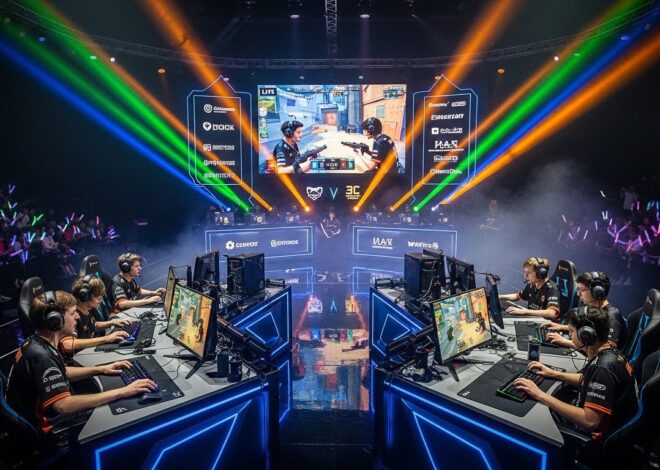
Esports competitions range from local tournaments to international championships with multi-million-dollar prize pools. Professional leagues operate similarly to traditional sports, featuring structured seasons, team rosters, and rankings. Popular esports games include League of Legends, Dota 2, Counter-Strike: Global Offensive, Valorant, and Fortnite. Each game has its own competitive ecosystem, rules, and strategies.
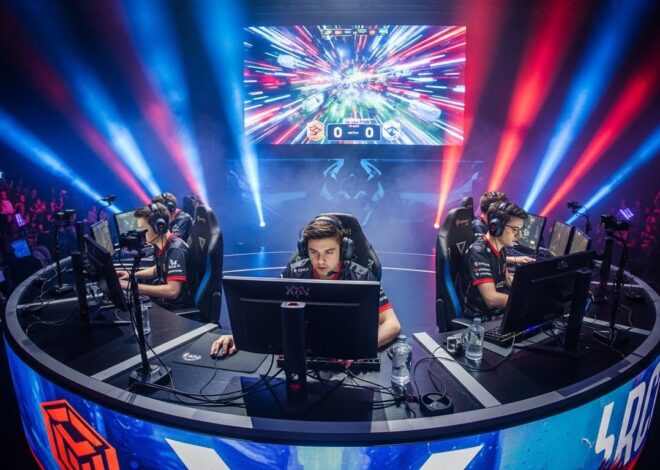
Professional esports players undergo rigorous training schedules similar to traditional athletes. They practice for hours daily, study game mechanics, develop strategies, and work on team coordination. This level of dedication and discipline demonstrates that esports requires both mental agility and physical endurance, challenging the misconception that gaming is purely recreational.
The Role of Teams and Organizations
Professional esports is supported by a network of teams and organizations that manage players, sponsor tournaments, and build fan communities. These teams provide coaching, strategy development, and mental health support to players, helping them perform at their peak. Organizations also secure partnerships with brands and media outlets, creating revenue streams that sustain the industry.
Teams often have their own identities, branding, and fan followings, similar to professional sports clubs. Fans support their favorite teams passionately, attending live events, buying merchandise, and engaging on social media. This sense of community strengthens the connection between players and audiences, making esports an interactive and immersive experience.
The Cultural Impact of Esports
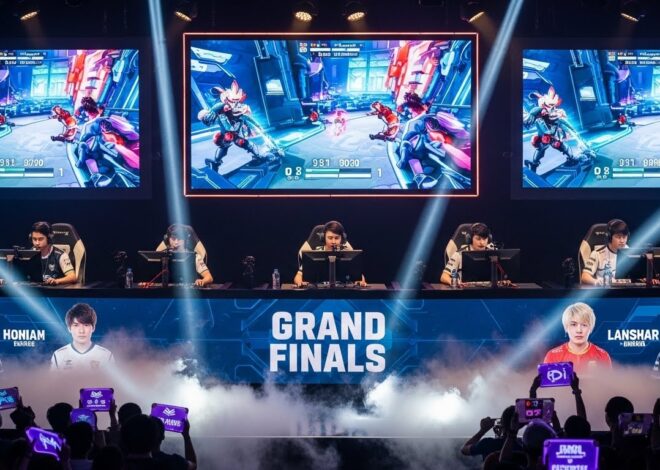
Esports has had a profound influence on culture, entertainment, and media. It has popularized gaming terminology, inspired fan art, and shaped online communities. Major tournaments attract audiences comparable to traditional sporting events, with fans gathering in stadiums or watching live streams worldwide.
Esports also challenges traditional ideas of athleticism. While it does not involve physical exertion in the same way as conventional sports, it demands quick reflexes, strategic thinking, teamwork, and mental resilience. This has sparked debates about the definition of sports and broadened society’s understanding of competitive excellence.
Economic Growth and Opportunities
The esports industry has experienced exponential economic growth. Revenue comes from multiple sources, including sponsorships, advertising, merchandise, ticket sales, and media rights. Companies from gaming hardware manufacturers to fashion brands are investing heavily in esports, recognizing its influence and reach.
Esports also creates career opportunities beyond playing. Coaches, analysts, commentators, event organizers, marketers, and content creators all contribute to the ecosystem. This diversification shows that esports is not just about playing games—it is a multifaceted industry that offers professional growth in numerous areas.
The Mental and Physical Demands of Esports
While esports is often perceived as sitting and playing games, professional players face significant mental and physical challenges. High-pressure competitions, long practice hours, and the need for consistent performance can lead to stress and burnout. Mental resilience, focus, and teamwork are as important as technical skills.
Physical health is also crucial. Many teams incorporate fitness routines, nutrition plans, and posture management to prevent injuries such as repetitive strain or eye strain. Balancing gaming intensity with health care is essential for a sustainable esports career.
Esports and Education
Esports has begun to influence education, with universities and schools establishing competitive gaming programs. These programs provide scholarships, structured training, and opportunities for students to compete at collegiate levels. By integrating esports into education, institutions recognize gaming as a legitimate field of skill development and professional growth.
Additionally, esports teaches transferable skills such as problem-solving, teamwork, leadership, and time management. These skills are valuable not only in professional gaming but also in broader career paths, making esports an educational tool as well as entertainment.
Challenges Facing Esports
Despite its growth, esports faces several challenges. Player burnout, lack of standardized regulations, and mental health pressures are ongoing concerns. The industry must also address issues of inclusivity and diversity to ensure that esports remains accessible to all players, regardless of gender, background, or ability.
Another challenge is public perception. Some still view esports as a non-serious activity or underestimate the skills required to compete professionally. Overcoming stereotypes and educating audiences about the rigor, strategy, and dedication involved is vital for esports to gain full recognition as a legitimate competitive sport.
Esports in a Global Context
Esports has become a truly global phenomenon, with strong followings in Asia, North America, Europe, and beyond. Countries like South Korea, China, and the United States have developed robust esports infrastructures, including professional leagues, training facilities, and dedicated esports arenas. International tournaments bring players and fans together, fostering cross-cultural interactions and uniting gaming communities worldwide.
Globalization also allows esports trends, strategies, and innovations to spread quickly. Players learn from international competitions, fans share experiences online, and esports organizations collaborate across borders, creating a connected global ecosystem.
The Future of Esports
The future of esports looks promising, with continued growth and technological integration. Virtual reality and augmented reality may create immersive competitive experiences, allowing players and spectators to engage with games in unprecedented ways. Artificial intelligence could help personalize training, strategies, and fan engagement.
Esports may also continue to blend with traditional entertainment and sports. Collaborative events with music, film, and fashion industries are already emerging, creating hybrid experiences that appeal to broader audiences. The industry is set to become a cornerstone of entertainment, culture, and social interaction for years to come.
Conclusion: Esports as a Cultural Revolution
Esports is more than competitive gaming—it is a cultural revolution that redefines entertainment, sports, and human connection. It challenges traditional notions of athleticism, offers economic opportunities, and provides social and educational benefits. From small-scale tournaments to global championships, esports brings people together, inspires creativity, and celebrates skill, strategy, and teamwork.
As the industry continues to grow, one thing is clear: esports is here to stay. It has transformed the way we think about games, competition, and community, and its influence will continue to shape the entertainment landscape. For players, fans, and creators alike, esports offers endless opportunities to compete, connect, and celebrate the thrill of the game in ways that go far beyond the screen.