Beyond the Screen: The Rise and Impact of Esports
In the last decade, a cultural revolution has quietly but dramatically transformed entertainment, sports, and technology. This revolution goes by the name of esports. Competitive gaming, once dismissed as a niche hobby, has now become a multi-billion-dollar industry with a global audience, professional leagues, and even collegiate programs. Understanding esports requires looking beyond the surface of flashy tournaments and into its societal, economic, and technological implications.
What Are Esports?
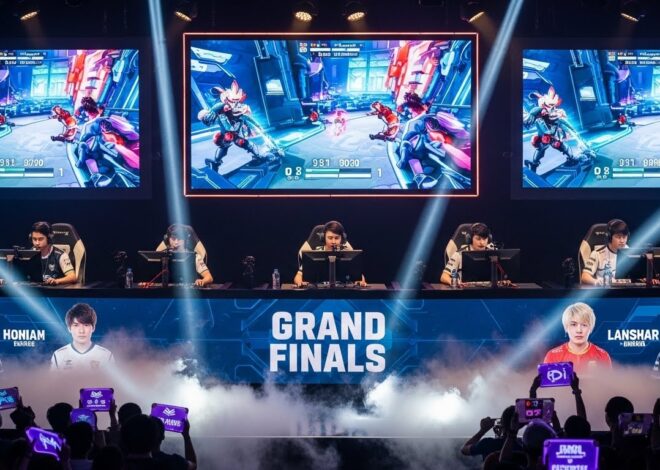
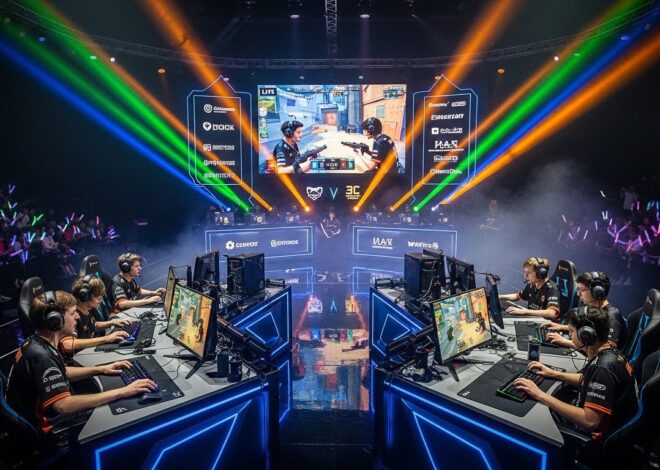
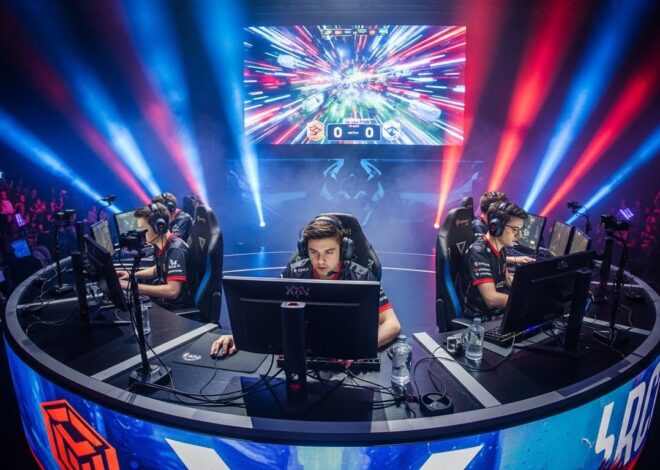
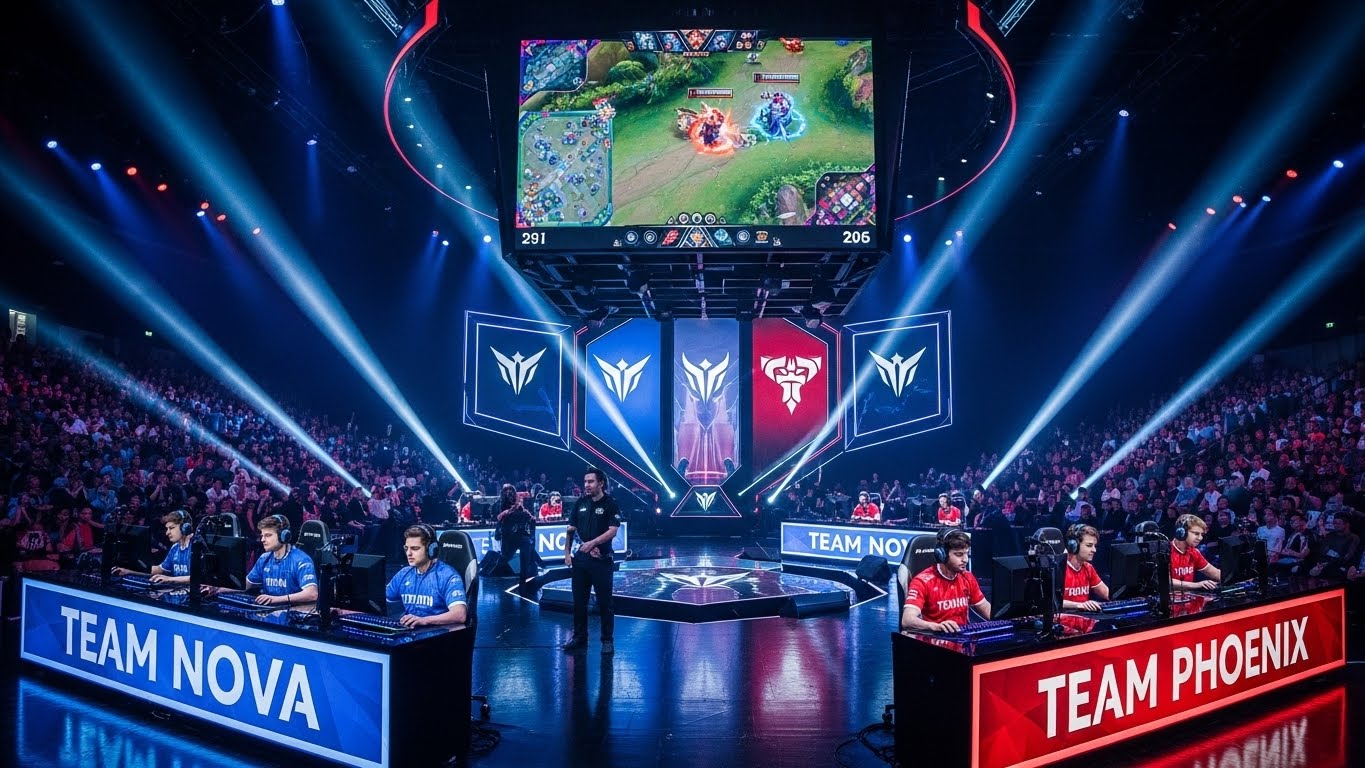
Esports, short for electronic sports, refers to organized competitive video gaming. Players, often forming teams, compete in a variety of video games, ranging from first-person shooters to real-time strategy games. Unlike casual gaming, esports focuses on skill, strategy, teamwork, and intense competition. These matches are often broadcast to millions of viewers worldwide through streaming platforms, creating an entertainment ecosystem that rivals traditional sports.
The Growth of Esports as an Industry
The growth of esports has been staggering. In 2010, professional gaming barely had mainstream recognition. Today, it is projected that the global esports market will surpass billions of dollars annually, driven by sponsorships, media rights, merchandising, and ticket sales. Major tournaments now offer prize pools comparable to traditional sports championships, attracting elite athletes and casual fans alike.
Several factors have fueled this expansion. Firstly, the widespread availability of high-speed internet and affordable gaming hardware has democratized access. Secondly, streaming platforms have enabled players and fans to connect directly, bypassing traditional media channels. Finally, brands have recognized the immense marketing potential within this digital community, further legitimizing esports as a professional endeavor.
Popular Esports Games
The esports ecosystem revolves around certain flagship games that have captured the global imagination. Titles like League of Legends, Dota 2, Counter-Strike: Global Offensive, and Fortnite have become synonymous with competitive gaming. Each game brings a unique combination of strategy, reflexes, and teamwork, catering to different types of players and audiences.
For example, League of Legends emphasizes teamwork and strategic coordination over individual skill, while games like Counter-Strike demand precision and quick reflexes. The diversity of games ensures that esports appeals to a wide demographic, making it inclusive and expansive in its reach.
The Role of Professional Players
Professional esports players are the backbone of the industry. These athletes train rigorously, often dedicating eight to twelve hours a day to practice, strategy development, and team coordination. Like traditional athletes, they follow strict diets, maintain physical fitness, and undergo mental conditioning to optimize performance.
Esports has also created career pathways beyond playing professionally. Coaches, analysts, streamers, content creators, and commentators all contribute to the ecosystem, transforming gaming into a viable and sustainable career choice for millions of enthusiasts.
The Impact on Youth Culture
Esports has had a profound influence on youth culture, shaping social interactions, career aspirations, and entertainment preferences. Many young people see professional gaming as a legitimate career, motivated by the success stories of prominent esports stars. Esports also promotes cognitive skills such as strategic thinking, teamwork, and problem-solving.
Moreover, online gaming communities create a sense of belonging and identity. Young gamers often find camaraderie and mentorship in these communities, learning discipline and resilience in a virtual environment. This cultural shift demonstrates that esports is not just entertainment—it is a social phenomenon.
Technological Advancements Driving Esports
The rise of esports is closely intertwined with technological innovation. High-speed internet, advanced graphics processing, and sophisticated gaming peripherals have all contributed to creating an immersive and competitive environment. Virtual reality and augmented reality are poised to revolutionize the industry further, offering new ways to experience and engage with games.
Artificial intelligence also plays a role, particularly in analytics and coaching. AI can analyze gameplay data to identify weaknesses and optimize strategies, giving teams a competitive edge. Technology ensures that esports remains at the forefront of innovation, blending entertainment, sports, and digital innovation seamlessly.
The Economic Influence of Esports
Esports is not just a cultural phenomenon—it is a significant economic force. Major tournaments attract sponsorship from multinational corporations, from energy drinks to tech brands, generating revenue that sustains the entire industry. Merchandise sales, in-game purchases, and media rights deals further contribute to its profitability.
In addition, esports has created new employment opportunities. Beyond players, careers in marketing, event management, broadcasting, and technology support the ecosystem. Cities and countries have also recognized esports as a potential economic driver, hosting tournaments and building esports arenas to attract tourism and investment.
Challenges and Controversies
Despite its growth, esports faces challenges. Player burnout is a serious concern due to the intense training and pressure of competition. Mental health issues such as anxiety and depression have been reported among professional players. Additionally, the industry struggles with issues of diversity and inclusivity, as women and marginalized groups remain underrepresented in professional esports.
Cheating and unethical behavior, such as match-fixing, also pose threats to credibility. Addressing these challenges is crucial to ensuring the sustainability and integrity of the industry.
The Global Esports Community
Esports has fostered a unique global community that transcends geographical and cultural boundaries. Fans from different continents connect through live streams, forums, and social media, sharing experiences and strategies. Major tournaments often feature international teams, creating a multicultural environment that celebrates diversity and competition.
This global connectivity also encourages cross-cultural learning and collaboration. Players often adapt strategies from different regions, combining global insights into gameplay. The sense of belonging and shared passion strengthens esports as more than just a game—it becomes a global movement.
The Future of Esports
The future of esports looks promising, with continuous growth expected in both audience and revenue. Emerging technologies such as virtual reality, augmented reality, and cloud gaming will transform how competitions are played and consumed. Educational institutions are increasingly integrating esports programs, offering scholarships and research opportunities, further legitimizing the field.
Esports is likely to become more mainstream, intersecting with traditional sports, entertainment, and education. It may redefine what it means to be an athlete, challenging conventional notions of physicality, teamwork, and competition.
Conclusion
Esports has evolved from a hobbyist activity to a global industry that influences culture, technology, and the economy. Its impact extends beyond entertainment, shaping careers, communities, and youth identity. As technology continues to advance and audiences grow, esports will likely become an integral part of our cultural fabric. The story of esports is still being written, and it promises to be a thrilling chapter in the history of sports and digital entertainment.