Beyond the Screen: The Rise and Impact of Esports in the Modern Era
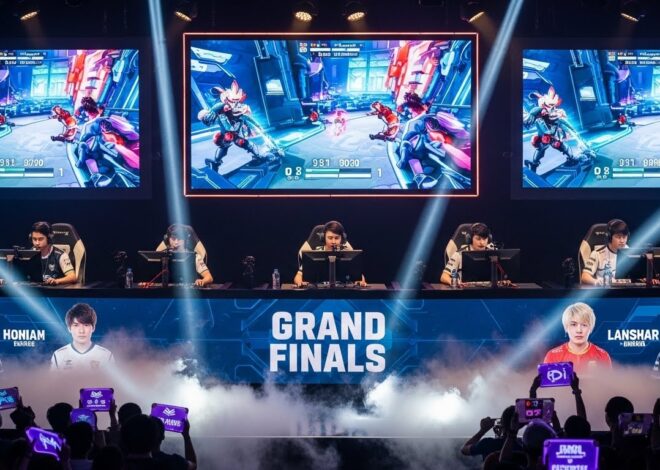
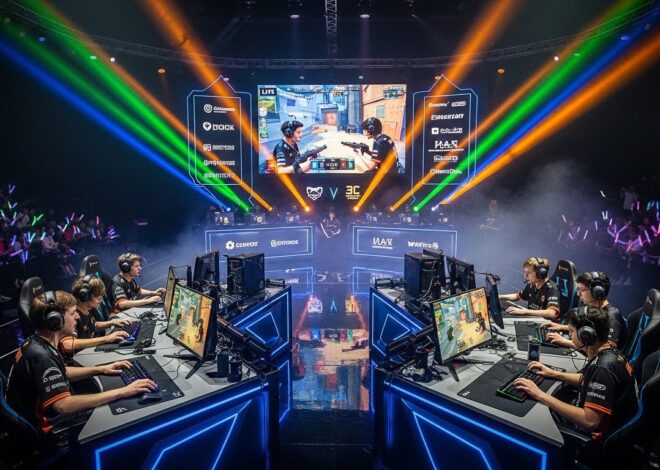
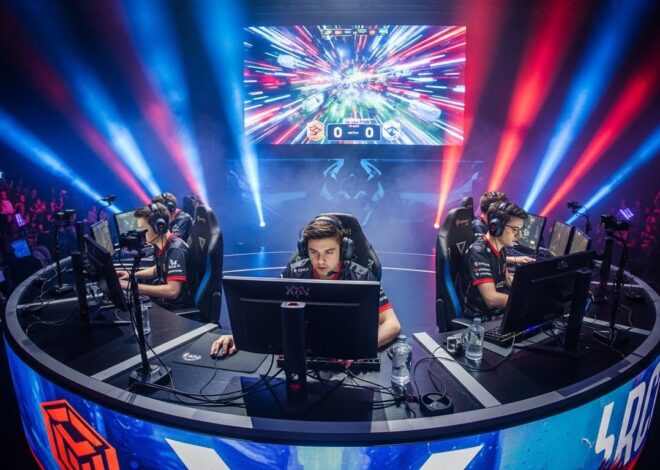
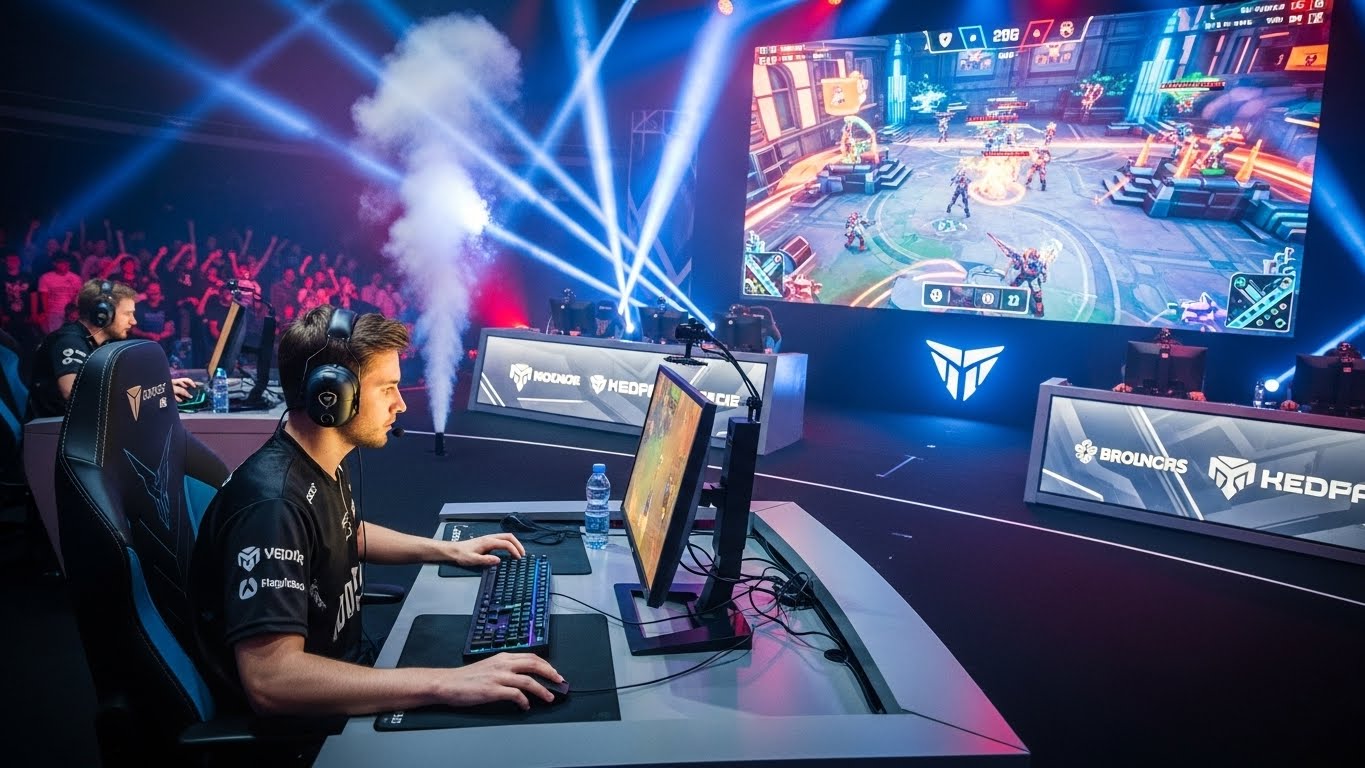
Esports, short for electronic sports, has transformed from a niche hobby into a global phenomenon. What began as small communities gathering around arcade machines and early PC games has evolved into a multi-billion-dollar industry that rivals traditional sports in popularity, influence, and professionalism. With millions of fans, international tournaments, and players reaching celebrity status, esports has carved out a unique space in the entertainment and competitive landscape. In this blog, we will explore the evolution of esports, its economic and cultural impact, the challenges it faces, and its future potential.
The Origins of Esports
The roots of competitive gaming trace back to the 1970s and 1980s, when players started competing in arcade games such as Space Invaders, Pac-Man, and Donkey Kong. One of the earliest known organized gaming competitions occurred in 1972 at Stanford University, where students competed in a game called Spacewar. Although these early tournaments were modest in scale, they laid the foundation for what would eventually become competitive gaming.
The 1990s marked a significant shift with the rise of home computers, faster internet connections, and popular PC games such as Doom, Quake, and StarCraft. These games offered online multiplayer modes that allowed players to compete remotely, opening the door to a global gaming community. South Korea emerged as a key hub during this era, with professional StarCraft players achieving celebrity status and televised matches becoming a cultural phenomenon.
The Evolution of Competitive Gaming
The 2000s saw esports evolve into a more structured and professional industry. Large-scale tournaments began to take shape, often sponsored by technology companies and gaming brands. Games like Counter-Strike, Warcraft III, and Dota 2 became staples in competitive circuits, while organizations dedicated to esports, such as Major League Gaming, started to formalize rules, leagues, and prize pools.
With the advent of streaming platforms, esports reached a new level of accessibility. Viewers could watch tournaments live, follow their favorite players, and engage with communities online. Twitch, launched in 2011, became a game-changer for esports, allowing both amateur and professional players to showcase their skills while building fan bases and monetizing their gameplay.
Popular Esports Genres
Esports encompasses a variety of game genres, each with unique competitive elements and fan communities. First-person shooters, such as Call of Duty and Counter-Strike: Global Offensive, focus on precision, strategy, and reflexes. Multiplayer online battle arenas, like League of Legends and Dota 2, emphasize teamwork, strategy, and long-term planning. Sports simulation games, such as FIFA and NBA 2K, recreate real-world sports in virtual arenas, attracting fans of traditional athletics.
Battle royale games like Fortnite and PUBG have introduced a new style of competition, blending survival mechanics with large-scale multiplayer engagement. Each genre caters to different types of players and audiences, contributing to the diversity and inclusivity of the esports ecosystem.
The Global Economic Impact of Esports
Esports is no longer just a pastime—it is a thriving economic engine. According to industry estimates, the global esports market generates billions of dollars annually, driven by sponsorship deals, advertising revenue, merchandise sales, and ticketed events. Companies from technology, energy drinks, apparel, and entertainment sectors are investing heavily in esports, recognizing the potential to reach younger, tech-savvy audiences.
Professional players earn significant salaries, often supplemented by winnings from tournaments that can reach millions of dollars. Esports organizations operate like traditional sports teams, with management staff, coaches, analysts, and marketing professionals. Additionally, streaming and content creation have become lucrative careers, allowing gamers to monetize their skills beyond competitive play.
The Cultural Significance of Esports
Esports has influenced culture in profound ways, shaping trends in entertainment, fashion, and media. Fans participate in a shared culture that includes live events, online communities, and merchandise. Cosplay, fan art, and themed conventions have grown alongside esports, blurring the lines between gaming, entertainment, and social interaction.
Esports also challenges traditional notions of athleticism. While physical prowess is less central than in traditional sports, mental acuity, strategic thinking, hand-eye coordination, and teamwork are critical for success. This redefinition of skill and competition has broadened the definition of sports in the modern era.
Health and Lifestyle Considerations
While esports offers career opportunities and entertainment, it also presents unique challenges. Professional players often face intense schedules, spending long hours practicing and competing. Physical health issues, such as eye strain, repetitive strain injuries, and poor posture, are common. Mental health is another concern, as players deal with high-pressure environments, public scrutiny, and the stress of maintaining peak performance.
To address these issues, many esports organizations have started integrating fitness routines, nutritional guidance, and mental health support into player programs. This holistic approach mirrors practices in traditional sports, emphasizing sustainability and long-term performance.
Esports Education and Career Paths
Esports has also created new educational and career opportunities. Universities around the world now offer esports scholarships, degree programs, and specialized courses in game design, esports management, and digital marketing. These programs prepare students for careers in professional gaming, content creation, event management, broadcasting, and more.
The industry is not limited to players. Analysts, commentators, coaches, team managers, and marketing professionals all play crucial roles. The growth of esports has expanded career options in technology, media production, and entertainment, making it a viable industry for a wide range of skill sets.
The Role of Technology in Esports
Technology is at the heart of esports, driving innovation and enhancing experiences for both players and fans. High-performance gaming PCs, virtual reality, augmented reality, and advanced streaming platforms have pushed the boundaries of what is possible in competitive gaming. Artificial intelligence and analytics are increasingly used to study gameplay, improve strategies, and provide insights into player performance.
Streaming technology has also democratized access to esports content, allowing anyone with an internet connection to participate in the ecosystem. Fans can interact with players in real time, contribute to live chats, and even influence game content, fostering a sense of community and engagement that traditional sports sometimes struggle to replicate.
Challenges Facing the Esports Industry
Despite its rapid growth, esports faces several challenges. Regulation and governance are still developing, and the industry lacks the standardized structures found in traditional sports. Issues such as cheating, match-fixing, and inconsistent tournament rules continue to pose risks. Additionally, the reliance on digital platforms exposes esports to cybersecurity threats and platform dependency.
Another significant challenge is societal perception. Some critics dismiss esports as “not real sports,” questioning the legitimacy of professional gaming. However, as esports continues to demonstrate skill, strategy, and teamwork on par with traditional athletics, public perception is gradually shifting toward broader acceptance.
The Future of Esports
The future of esports is poised for continued expansion. Emerging technologies such as virtual reality, cloud gaming, and advanced analytics will redefine how players compete and fans engage. Mobile gaming, particularly in regions like Asia, is opening new markets and creating global tournaments accessible from anywhere.
Esports is also expected to integrate further with traditional sports, entertainment, and education sectors. Collaborations with mainstream media, partnerships with sports leagues, and inclusion in academic programs signal a maturing industry ready to solidify its cultural and economic footprint.
Conclusion
Esports has grown far beyond its humble beginnings, evolving into a global industry that blends competition, entertainment, and technology. It offers opportunities for career growth, cultural engagement, and technological innovation while challenging traditional definitions of sports and competition. As the industry continues to mature, esports will likely become an even more integral part of global culture, shaping how we play, watch, and interact with digital worlds.
From casual gamers to professional athletes, esports represents a dynamic and inclusive arena where skill, strategy, and creativity converge. Its rise demonstrates that competitive spirit and community engagement transcend physical boundaries, proving that the thrill of competition is universal—even in a virtual landscape.