
Digital Arenas: The Global Rise and Impact of Esports
Introduction: Esports as a New Sporting Frontier
Esports, short for electronic sports, has emerged as one of the fastest-growing entertainment and competitive industries in the world. Once perceived merely as a hobby for gamers, esports has evolved into a professional, highly organized, and highly lucrative field. Combining strategy, skill, teamwork, and mental agility, esports attracts millions of players and fans across the globe. From massive international tournaments to grassroots online competitions, esports has become a cultural and social phenomenon that rivals traditional sports in both scale and influence. This blog explores the history, growth, impact, and future of esports.
The Origins of Competitive Gaming
The origins of esports can be traced back to the late 1970s and early 1980s when arcade games became popular and local competitions were organized. Games such as Pong, Space Invaders, and later Street Fighter created early opportunities for competitive play. The 1980s and 1990s saw tournaments like the Nintendo World Championships, which introduced structured competition and prize incentives for players.
The rise of personal computers and internet connectivity in the late 1990s marked a turning point for esports. Titles like StarCraft and Quake enabled players to compete online, connecting individuals across regions. These early developments laid the groundwork for esports as a global phenomenon, creating communities that would eventually evolve into professional leagues and international tournaments.
Popular Esports Genres and Games
Esports encompasses a wide variety of game genres, each requiring unique skills and strategies. Multiplayer online battle arena (MOBA) games like League of Legends and Dota 2 emphasize teamwork, coordination, and strategic thinking. First-person shooters (FPS) such as Counter-Strike, Call of Duty, and Valorant test reflexes, precision, and situational awareness.
Real-time strategy (RTS) games like StarCraft demand long-term planning and resource management, while fighting games such as Street Fighter and Tekken focus on timing, reflexes, and technical skill. Each genre appeals to distinct audiences and players, contributing to the diversity and growth of esports as an industry.
The Rise of Professional Esports Players
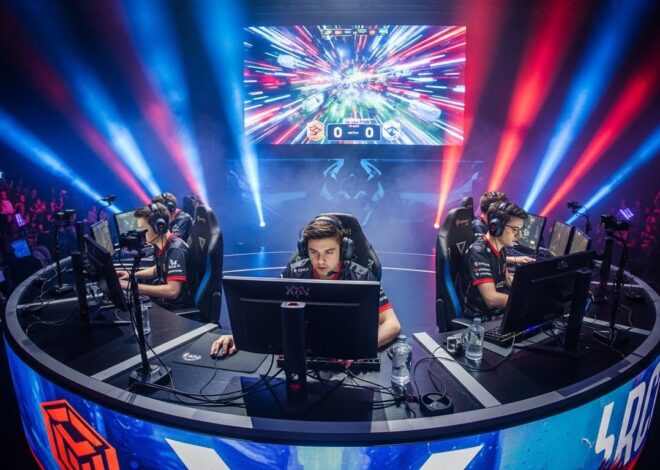
Professional esports players dedicate countless hours to practice, strategy, and teamwork. These players often begin as enthusiasts, advancing through local and online competitions to reach professional leagues. Competing at this level requires discipline, mental focus, and the ability to perform under pressure, much like traditional athletes.
Professional teams often have structured support systems, including coaches, analysts, and managers who help refine strategies, track performance metrics, and provide guidance. Prize pools for tournaments can reach millions of dollars, and sponsorships from major brands create additional revenue opportunities. Professional esports players have become celebrities in their own right, with millions of followers on streaming platforms and social media.
Esports as a Global Entertainment Medium
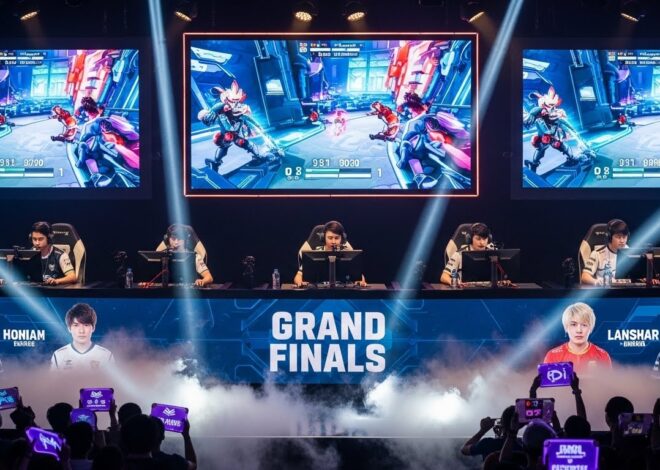
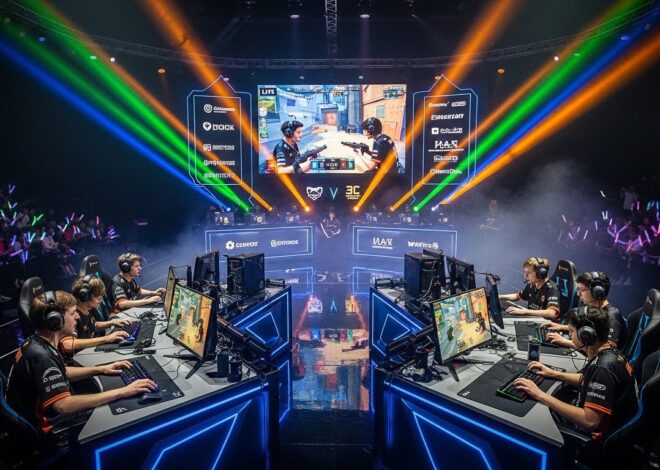
Esports is not only about competition; it is a form of entertainment with a massive global audience. Major tournaments such as the League of Legends World Championship, The International for Dota 2, and the Fortnite World Cup attract millions of viewers worldwide. Fans engage with competitions through live streaming platforms, commentary, and interactive features, creating an immersive entertainment experience.
Esports events are often accompanied by entertainment elements such as live music, fan interaction, and cosplay, blending gaming with performance art. This combination of competition and spectacle has helped esports gain mainstream recognition, attracting viewers who may not even play the games themselves.
The Role of Streaming Platforms
Streaming platforms such as Twitch, YouTube Gaming, and other digital channels have been instrumental in the growth of esports. These platforms allow players to broadcast their gameplay live, interact with viewers, and build personal brands. Streaming has turned casual gamers into influential content creators and has given fans unprecedented access to professional esports competitions.
Interactive features on these platforms, such as chat, polls, and virtual rewards, foster community engagement and create a sense of participation. Streaming also generates revenue through advertisements, subscriptions, and sponsorships, contributing to the economic growth of esports.
The Economic Impact of Esports
Esports has become a multi-billion-dollar industry with significant economic influence. Revenue streams include prize money, sponsorships, advertising, merchandise, media rights, and streaming subscriptions. Major esports events attract tourism, create jobs, and boost local economies.
The industry also provides career opportunities beyond competitive play, including roles in coaching, event management, content creation, marketing, and broadcasting. The professionalization of esports demonstrates that gaming is no longer just a recreational activity but a viable career path with global economic significance.
Technology Driving Esports
Technology is the backbone of esports, shaping both gameplay and audience engagement. High-performance gaming hardware, fast internet connections, and advanced peripherals are essential for competitive play. Data analytics and artificial intelligence are used to study player performance, develop strategies, and enhance training.
Virtual reality and augmented reality are poised to revolutionize esports by creating more immersive experiences for both players and viewers. Technology also enables real-time streaming, interactive content, and global accessibility, ensuring that esports continues to grow and evolve in the digital age.
Esports and Education
Esports has found its place in educational institutions, from high schools to universities. Many schools and colleges offer esports programs, clubs, and scholarships, allowing students to develop skills in a structured and supportive environment.
Participation in esports cultivates leadership, communication, teamwork, and critical thinking. Students learn to analyze opponents, manage time effectively, and perform under pressure. By integrating esports into education, institutions recognize gaming as a valuable platform for skill development, personal growth, and future career opportunities.
Mental and Cognitive Benefits of Esports
Esports contributes to cognitive and mental development. Strategy-based games enhance problem-solving, decision-making, and multitasking abilities. Action-oriented games improve reflexes, hand-eye coordination, and situational awareness. Team-based esports fosters collaboration, communication, and leadership skills.
Achieving in-game goals and overcoming challenges builds confidence, resilience, and perseverance. Like traditional sports, esports requires discipline, focus, and practice, demonstrating that competitive gaming can positively influence mental and cognitive growth.
Inclusivity and Diversity in Esports
Esports is a platform for inclusivity and diversity, offering opportunities for players regardless of gender, ethnicity, or physical ability. Women’s leagues, adaptive esports programs, and global competitions promote representation and accessibility.
The inclusive nature of esports challenges stereotypes about gamers and fosters a culture of acceptance, collaboration, and mutual respect. By emphasizing skill, strategy, and dedication, esports creates an environment where talent and commitment are valued above physical attributes or social background.
The Future of Esports
The future of esports promises continued growth, innovation, and mainstream acceptance. Virtual reality, augmented reality, and artificial intelligence will create more immersive and interactive competitive experiences. Streaming platforms will continue to expand global access and fan engagement.
Integration with traditional sports, educational programs, and entertainment media will further solidify esports as a cultural and economic force. With its unique combination of competition, creativity, and technology, esports is poised to remain a defining phenomenon of the digital era.
Conclusion: Esports as a Cultural and Competitive Revolution
Esports has evolved from small local competitions to a global industry that impacts culture, technology, education, and entertainment. It unites communities, fosters creativity, develops cognitive and social skills, and provides career opportunities. With millions of players and viewers worldwide, esports is more than a pastime—it is a legitimate and dynamic form of competitive expression.
As technology advances and communities grow, esports will continue to shape the future of gaming, entertainment, and digital culture. It exemplifies the power of skill, strategy, and innovation, showing that competition and connection can thrive in the digital age. Esports represents the new frontier of sports and entertainment, and its influence will only continue to expand in the years to come.