Digital Titans: How Esports Became the New Arena of Global Competition
Introduction
Esports has swiftly transformed from a casual pastime into one of the most influential cultural and competitive forces of the modern era. What once took place in dimly lit rooms among small groups of friends has evolved into a global entertainment powerhouse with millions of viewers, professional leagues, intense rivalries, dedicated training facilities, and a booming economy. As digital competition becomes more sophisticated, esports continues redefining how we view sports, entertainment, and even careers. This blog explores the world of esports in depth, uncovering its evolution, cultural impact, economics, and the future that lies ahead.
The Origins of Competitive Gaming
Competitive gaming did not emerge overnight. It began decades ago with simple arcade challenges where players aimed to outscore each other for bragging rights. Early tournaments focused on classic titles, and although the scale was small, the competitive spirit was unmistakable. Over time, as technology evolved and gaming moved into homes, multiplayer titles shifted the competitive landscape. Home consoles and PCs allowed gamers to challenge opponents beyond their inner circle, creating the foundation for online competitive play.
As the internet expanded and online gaming became more accessible, competitive gaming communities grew rapidly. Players formed clans, teams, and strategy groups. These early foundations planted the seeds for what would become a massive global movement.
The Rise of Organized Esports
The 2000s marked the turning point for esports. Professional leagues emerged, gaming studios began supporting competitive tournaments, and gaming cafés became hubs for aspiring players. Online platforms made it possible for gamers worldwide to compete in real time. As viewership increased, organizations began to invest in structured leagues and international competitions.
This period also introduced recognizable professional teams, each with dedicated players, coaches, and routines similar to traditional sports organizations. These teams competed in regional and international tournaments, drawing larger audiences each year. Esports slowly shifted from a hobbyist subculture to a legitimate competitive industry.
Different Genres, Different Styles of Competition
Esports is not defined by a single game or genre. Its strength lies in the diversity of titles and the unique competitive experience each one provides. Several genres dominate the landscape, each attracting massive player bases and fan communities.
Multiplayer online battle arenas require strategic teamwork, careful coordination, and quick decision making. First-person shooters test reflexes, accuracy, and tactical awareness. Battle royales offer unpredictable, high-intensity survival gameplay. Real-time strategy games challenge players with multitasking on a complex level. Fighting games focus on precision, timing, and deep knowledge of character matchups.
This wide range of competitive styles ensures that esports appeals to players of many backgrounds. The variety keeps the industry dynamic, as new titles emerge and reshape the competitive scene.
The Professional Player Lifestyle
Becoming a professional esports player demands far more than natural talent. While players may begin their journey with casual gaming, those who rise to the competitive level dedicate enormous time and energy to their craft. Daily practice routines involve hours of gameplay, strategy review, physical conditioning, and communication training. Teams hire coaches, analysts, nutritionists, and mental health professionals to support players.
Competition schedules can be grueling, with global tournaments requiring travel, adaptability, and stamina. Despite misconceptions that esports lacks physical demands, professional gaming requires sharp focus, rapid reflexes, and mental endurance. Many teams use training facilities that resemble athletic centers, complete with workout spaces, relaxation rooms, and team meeting areas.
The Influence of Streaming and Content Creation
Streaming platforms have changed the esports landscape dramatically. Players are no longer limited to competitions alone; they can build personal brands, engage with fans, and create a stable income outside of tournaments. Streaming has helped countless aspiring players rise to prominence simply through showcasing their gameplay.
Content creation also fosters community. Fans interact directly with players, gaining insight into their personality, training habits, and gaming style. This direct connection builds loyalty and helps grow the esports ecosystem beyond official matches. It also supports the industry financially, as content creators attract sponsors and partnerships that help fund further growth.
Esports Arenas and Major Events
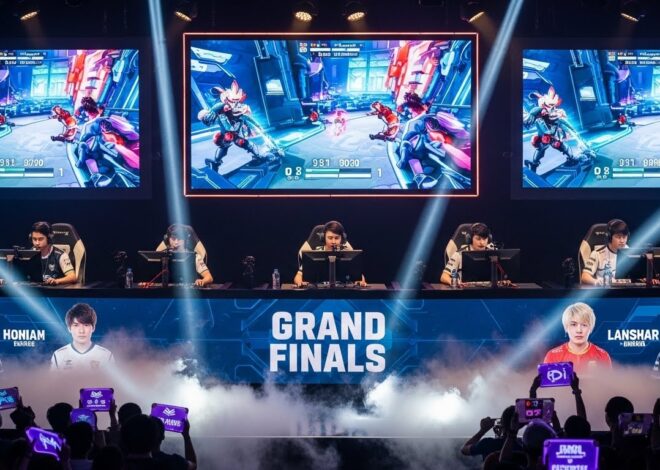
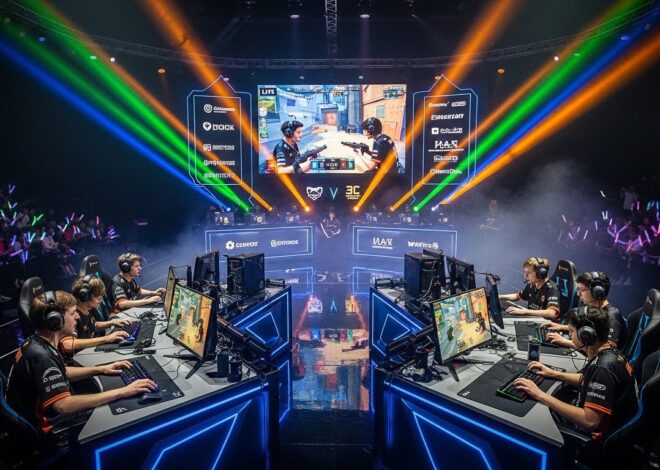
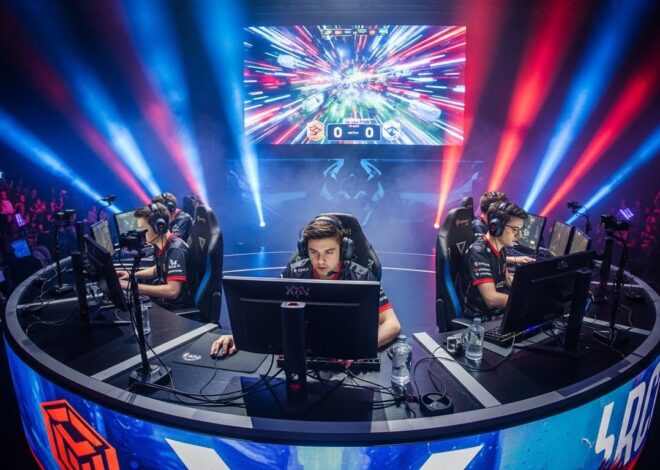
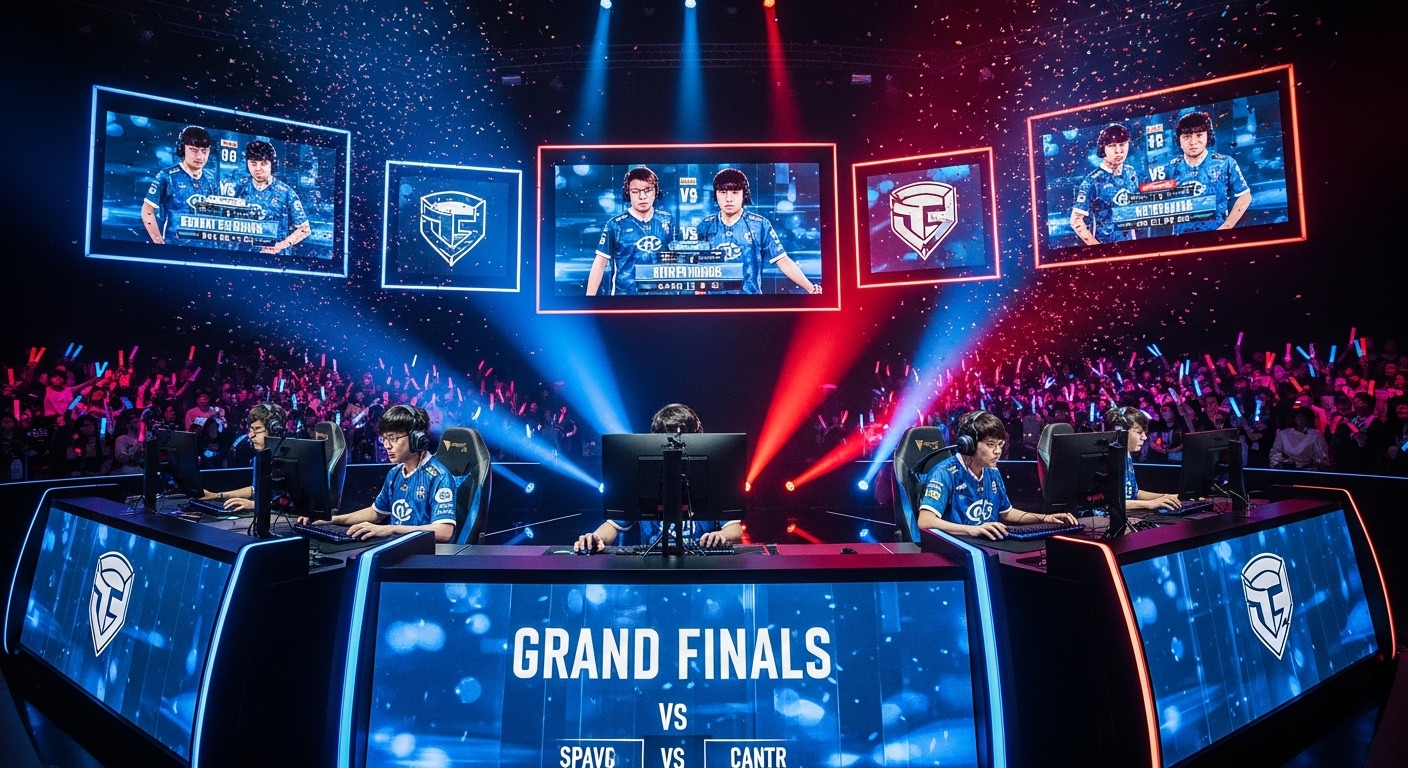
In-person esports events have reached levels once unimaginable. Large arenas fill with cheering fans, massive screens display the intense action, and production quality rivals that of major traditional sports events. Opening ceremonies feature dramatic lights, cutting-edge graphics, and memorable performances.
These events bring together fans from around the world to celebrate their favorite teams and players. The energy within these stadiums demonstrates that esports is not limited to digital interaction. It is a communal experience where fandom, excitement, and passion echo throughout every match.
International tournaments boast enormous prize pools, solidifying esports as a professional path. Players who succeed in these arenas become icons, celebrated for their skill and competitive excellence.
The Business of Esports
Beyond the games themselves, esports is a major economic driver. Revenue streams come from sponsorships, advertising, merchandise, team branding, event tickets, media rights, and digital goods. Global brands partner with esports teams, recognizing the massive engagement potential. Gaming equipment companies, beverage brands, clothing makers, and tech giants all invest heavily in esports.
Professional organizations function like business entities, complete with marketing teams, management staff, and financial planners. As investments grow, new opportunities arise for entrepreneurs, content creators, event planners, and technology developers.
Colleges and universities have also become part of the rapidly expanding esports economy. Many institutions now offer esports scholarships, competitive programs, and degrees focused on gaming careers.
Cultural Acceptance and Growth
Esports has gained respect and recognition as a legitimate form of competition. It challenges outdated stereotypes about gaming and highlights teamwork, skill, and dedication. Esports appeals to a broad audience, from young players discovering their passion to adults who grew up gaming and now follow professional leagues.
Esports fosters community through shared interests and global collaboration. Fans connect across languages, cultures, and continents through their mutual love of games. Online discussions, fan art, clips, and forums create a vibrant, interconnected culture.
This cultural shift marks a defining moment where digital entertainment merges with mainstream acceptance, solidifying esports as an essential part of modern entertainment.
The Role of Technology in Esports Expansion
Technology is the backbone of esports. High-performance hardware ensures smooth gameplay, advanced graphics create immersive worlds, and fast internet connections make global competition possible. Innovations such as virtual reality, motion tracking, and artificial intelligence promise even greater evolution.
Developers use analytics tools to study player performance, refine game balance, and improve competitive fairness. The rise of mobile gaming has further expanded esports, allowing players from diverse backgrounds to participate without requiring expensive equipment.
As technology advances, esports becomes more accessible, inclusive, and innovative.
Health, Wellness, and Player Longevity
The esports community increasingly focuses on player health and well-being. Long practice hours, intense focus, and competitive stress create challenges that must be addressed. Organizations invest in physical fitness programs, mental health support, ergonomic equipment, and structured schedules to promote longevity.
These initiatives highlight esports’ progress toward professionalism and sustainability, ensuring that players can maintain healthy careers both in and beyond competitive gaming.
The Future of Esports
The future of esports is filled with potential. With growing global recognition, enhanced technology, and increasing support from educational institutions, esports is positioned for continued expansion. New genres will emerge, immersive experiences will redefine competition, and younger generations will further shape the industry.
Esports may eventually integrate more with traditional sports, creating hybrid experiences that blend physical and digital competition. Global tournaments will grow in size and prestige, drawing even larger audiences.
Most importantly, esports will continue to inspire millions of players and fans who find passion, entertainment, and community in this digital arena.
Conclusion
Esports stands as one of the most transformative movements in modern entertainment. From humble beginnings to global stardom, competitive gaming represents the perfect fusion of skill, technology, and community. It challenges traditional definitions of sport, celebrates diversity, and offers limitless opportunities for growth.