Digital Titans: How Esports Redefined Competition in the Modern World
Introduction: The New Age of Competitive Play
Esports has rapidly evolved into one of the most influential industries of the modern era, transforming the way people view sports, entertainment, and digital culture. What began as a pastime shared by small groups of enthusiasts has become a global phenomenon watched by millions, supported by massive organizations, and celebrated like traditional athletic competitions. Esports is more than a collection of video game tournaments; it is a movement driven by passion, talent, technology, and a worldwide community connected through screens and shared excitement. As the digital age continues to expand, esports stands at the forefront of innovation, shaping the future of competition in ways once unimaginable.
The Early Foundations of Esports
To understand the current scale of esports, it is important to revisit its humble beginnings. Competitive gaming first gained traction in arcades and community centers where early players would battle each other for bragging rights and small prizes. Classic titles ignited this spark, establishing the foundation for structured competitions. The introduction of local area network events in the late 1990s allowed players to compete face-to-face while embracing fast-paced challenges. As technology progressed, online multiplayer gaming opened the doors to large, organized tournaments, paving the way for global esports leagues and professional teams.
The Transformation from Hobby to Profession
One of the most remarkable changes in esports is the shift from casual hobby to full-fledged profession. Today’s esports players dedicate extensive hours to practice, strategy development, and teamwork with the same discipline seen in traditional sports. They attend boot camps, work with coaches, study gameplay analyses, and maintain competitive mental and physical routines. The rise of professional organizations has created structured career opportunities, allowing players to earn salaries, bonuses, sponsorships, and endorsement deals. For many, esports is no longer simply about playing games; it is a lifelong career driven by dedication and competitive excellence.
Popular Games That Defined the Esports Landscape
Esports thrives on diversity. Different genres attract unique audiences, creating a vast ecosystem of competitive titles. Among the most influential are Multiplayer Online Battle Arenas, known for their deep strategy and teamwork. First-person shooters dominate with intense action and tactical coordination. Sports simulation games offer a familiar competitive structure inspired by real-world athletics. Fighting games deliver fast-paced, skill-heavy battles that thrill spectators. Each genre contributes its own flair and community, ensuring that esports appeals to a wide range of fans across the world.
Streaming Platforms and Their Impact on Esports Growth
One of the driving forces behind esports’ success is the rise of live streaming platforms. These platforms allowed gaming to become accessible entertainment, transforming players into global personalities overnight. Fans watch their favorite players compete, learn strategies, and enjoy commentary that blends humor with skillful insights. Streaming also offers emerging players a way to showcase their talent, grow their audience, and potentially secure sponsorships. This blend of visibility and interaction has created a unique entertainment culture where the audience plays an active role in shaping the esports world.
Esports Tournaments as Modern-Day Events
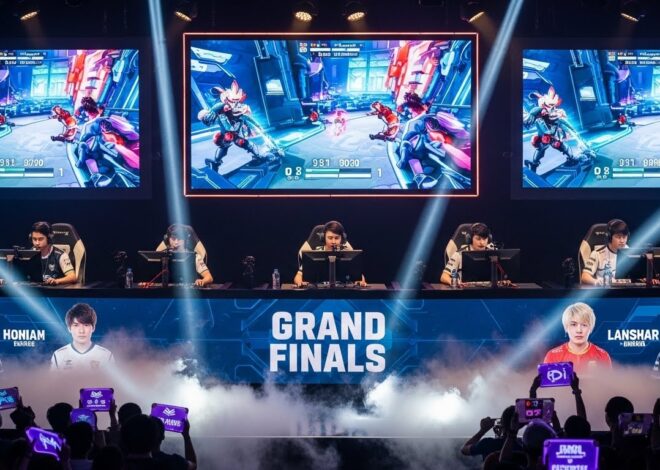
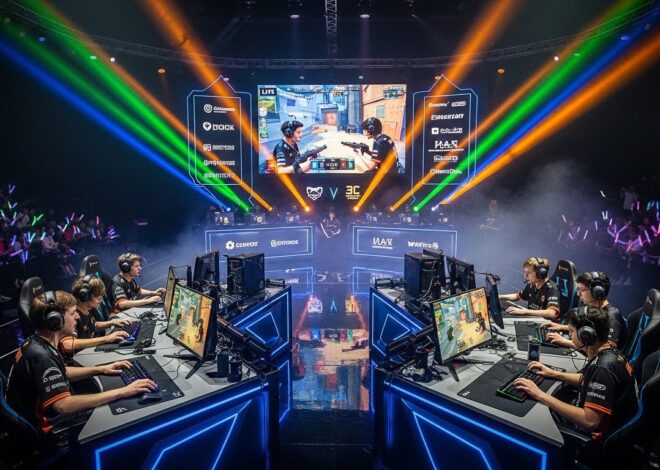
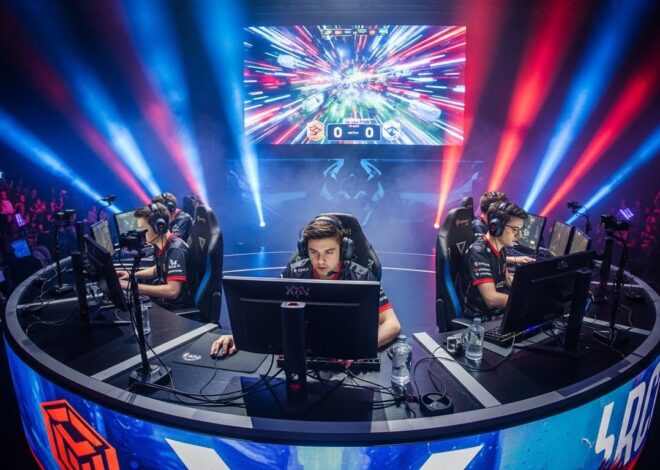
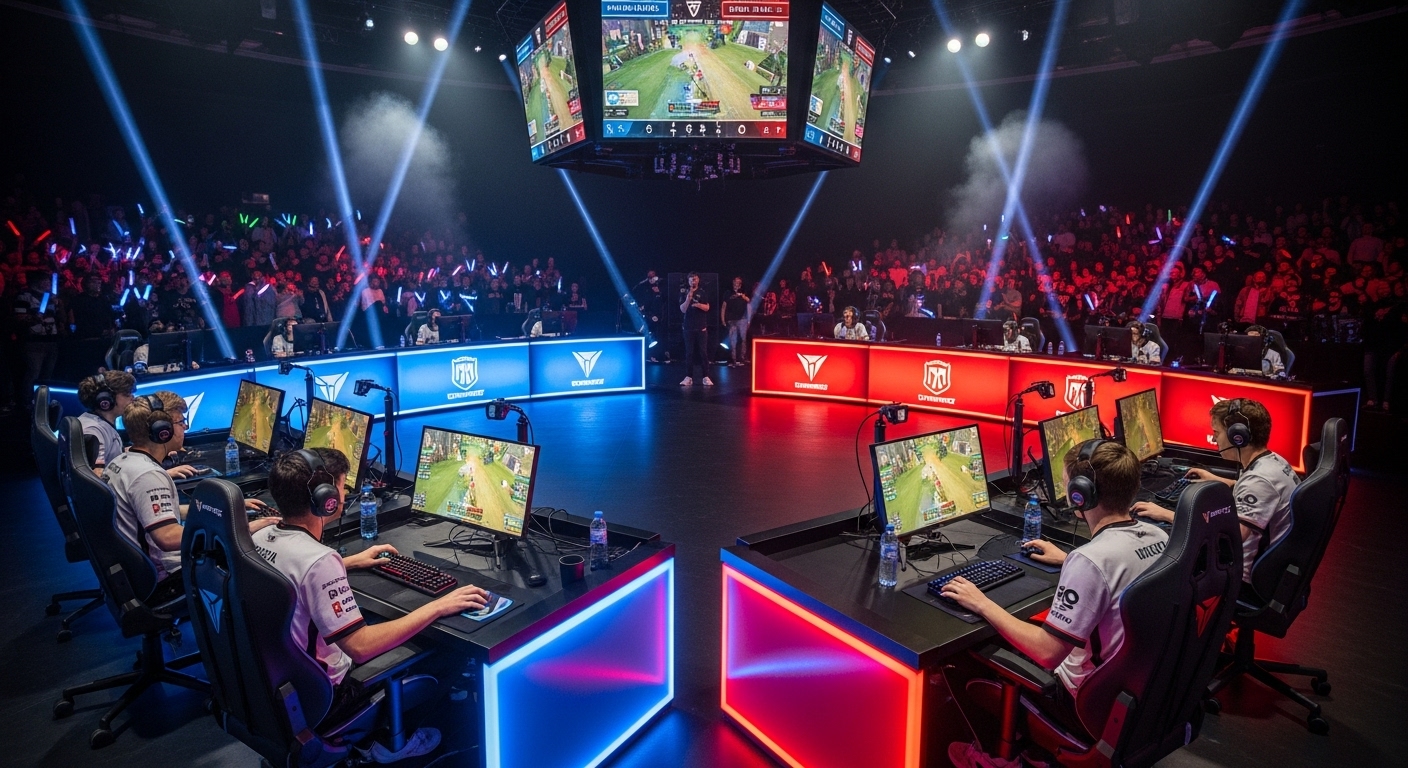
Esports tournaments have grown into massive spectacles that rival traditional sports championships. Organized events fill arenas, generate global excitement, and bring together people from diverse backgrounds to celebrate digital competition. Advanced stage designs, vibrant lights, powerful sound systems, and live commentary create unforgettable experiences for attendees. These events not only promote excitement but also highlight the skill, dedication, and artistry behind competitive gaming. As tournaments grow in scale and professionalism, they solidify esports as a legitimate form of mainstream entertainment.
The Financial Ecosystem Behind Esports
The financial structure of esports demonstrates its seriousness as an industry. Revenue streams come from sponsorships, merchandise, media rights, and advertising. Global brands invest heavily in esports to reach younger audiences who often prefer digital media over traditional platforms. Esports organizations now operate similarly to major sports franchises, maintaining budgets, hiring business staff, and building long-term strategies. The success of these organizations helps ensure stability for players and contributes to the continuous expansion of the industry. The financial momentum behind esports signals strong future growth as it continues to evolve.
Esports as a Global Cultural Movement
Esports transcends geography, language, and cultural boundaries, uniting people through the shared passion of digital competition. Entire nations support esports teams as enthusiastically as they do national athletes. Countries in Asia, Europe, North America, and the Middle East have become epicenters of esports innovation. In many regions, esports is not just entertainment but a cultural identity that reflects creativity, skill, and technological progress. The international nature of esports fosters cultural exchange, allowing fans from different backgrounds to learn from one another and build global friendships.
The Power of Esports Communities
Community is the heart of esports. Fans contribute their energy, creativity, and enthusiasm to build an ecosystem that supports players and organizations alike. Online forums, social media groups, and digital chat platforms allow fans to discuss strategies, share highlights, and bond over their favorite teams. Community-driven tournaments offer casual players a chance to compete, refine their skills, and enjoy the thrill of local competition. These communities celebrate inclusivity, offering opportunities for people of all ages, genders, and skill levels to participate in the esports world.
The Mental and Physical Demands of Competitive Gaming
Contrary to misconceptions, esports requires exceptional mental and physical endurance. Players must maintain rapid reaction times, sharp focus, and strategic thinking during intense matches. Long training sessions demand physical resilience, making proper posture, hand coordination, and nutrition essential for performance. Many professional teams hire health experts, psychologists, and fitness coaches to ensure their players maintain balanced and healthy lifestyles. The competitive pressure in esports teaches discipline, teamwork, adaptability, and emotional control, all of which are vital for success.
Expanding Diversity and Representation in Esports
Although esports has historically been a male-dominated field, increasing diversity is reshaping the future of competitive gaming. Women, LGBTQ+ gamers, and individuals from underrepresented communities are gaining visibility and recognition through determined efforts, supportive organizations, and growing opportunities. Diversity strengthens esports by introducing new perspectives, playstyles, and voices into the community. As the industry continues to prioritize inclusivity, esports becomes a more welcoming environment that inspires future generations of players.
Education and Career Paths in the Esports Industry
Education and professional development in esports have expanded significantly in recent years. Schools, universities, and training academies now offer esports programs that teach game strategy, event management, marketing, broadcasting, and coaching. Students can receive scholarships and participate in collegiate leagues, allowing them to combine education with competitive opportunities. Beyond playing professionally, esports opens doors to numerous careers such as content creation, analysis, event planning, and production. This educational infrastructure strengthens the industry and ensures its longevity.
Technological Innovations Driving Esports Forward
Esports thrives on technology, pushing boundaries with every innovation. High-performance gaming hardware, advanced graphics engines, and fast internet connectivity enable players to compete at peak levels. Virtual and augmented reality technologies promise to introduce new forms of interactive gameplay. Artificial intelligence tools assist teams in analyzing data, predicting strategies, and optimizing performance. These technological advancements not only elevate the quality of competition but also enhance the viewing experience for fans.
Mainstream Acceptance and Cultural Recognition
Esports has gained recognition from traditional sports organizations, entertainment companies, and even government institutions. Its presence in mainstream media highlights its growing legitimacy and cultural impact. Celebrities invest in esports teams, sports clubs create digital divisions, and large entertainment networks broadcast tournaments. This recognition helps esports reach broader audiences and further integrates it into popular culture. The continued expansion into traditional environments shows that esports has earned a stable and respected place in society.
The Future of Esports: A New Frontier
The future of esports holds endless possibilities. As technology evolves and cultural interest grows, esports will continue pushing beyond its current boundaries. Virtual arenas may blend reality with digital worlds, offering immersive competition like never before. Esports could integrate more deeply with education, entertainment, and social platforms, creating new experiences for fans and players. With increasing investment, inclusivity, and global participation, esports is poised to become one of the most influential cultural forces of the century.
Conclusion: The Unstoppable Rise of Digital Competition
Esports has transformed from casual gaming into a global force that reshapes entertainment, technology, and community. Its rise reflects a new era where digital skill and human creativity combine to inspire millions. From intense tournaments to passionate fans and innovative technologies, esports embodies the future of competition. Its influence will continue to expand as more people recognize the value, excitement, and cultural significance of digital sports. Esports is not merely a trend but a powerful testament to how the digital world brings people together, challenges boundaries, and celebrates talent in remarkable ways.