Esports Evolution: How Competitive Gaming is Reshaping Entertainment and Opportunity
Introduction: The Rise of Esports
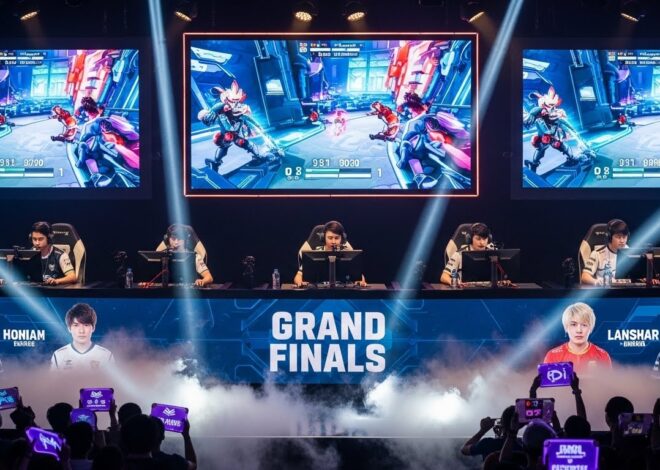
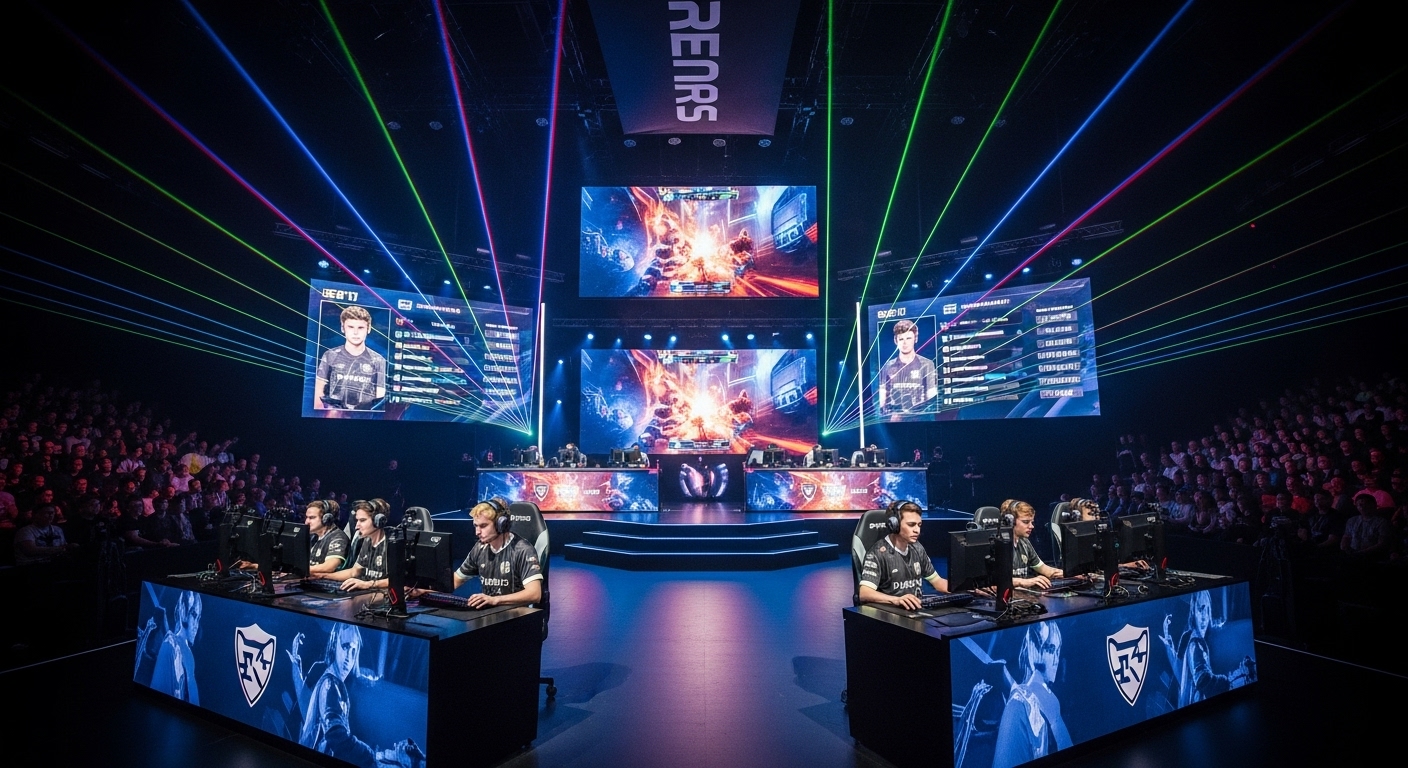
Esports, or competitive gaming, has transformed from a niche hobby into a global phenomenon. What was once viewed as casual entertainment has grown into a professional industry with millions of players, fans, and significant economic impact. Across the world, from small tournaments in local gaming centers to grand international events in massive arenas, Esports is engaging audiences of all ages. It combines strategy, skill, teamwork, and entertainment, creating a unique experience that rivals traditional sports. Beyond the thrill of competition, Esports is influencing culture, education, and even career opportunities, making it one of the most significant developments in modern entertainment.
The Global Expansion of Esports
In the past decade, Esports has grown exponentially. Asia, particularly South Korea and China, has been at the forefront of professional gaming, turning video games into cultural and economic phenomena. North America and Europe have followed closely, developing leagues for games like League of Legends, Counter-Strike, Dota 2, and Fortnite, drawing millions of viewers worldwide.
The global audience for Esports is staggering. Millions tune in to live streams or watch recorded content, making it one of the most consumed forms of digital entertainment. This growth highlights that Esports is not just a passing trend but a permanent fixture in the entertainment landscape, offering fans and players alike a shared passion that transcends borders.
Skills Required in Esports
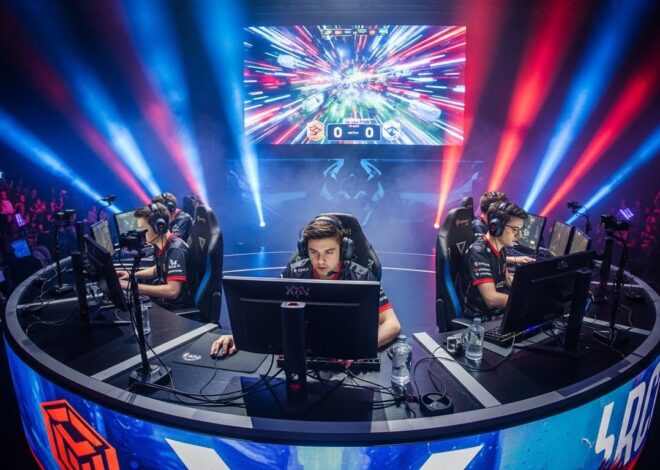
While gaming may seem casual, professional Esports demands an extraordinary level of skill, mental focus, and strategic thinking. Players must exhibit precise hand-eye coordination, lightning-fast reflexes, and tactical awareness. Competitive games require rapid decision-making under pressure, often in high-stakes environments.
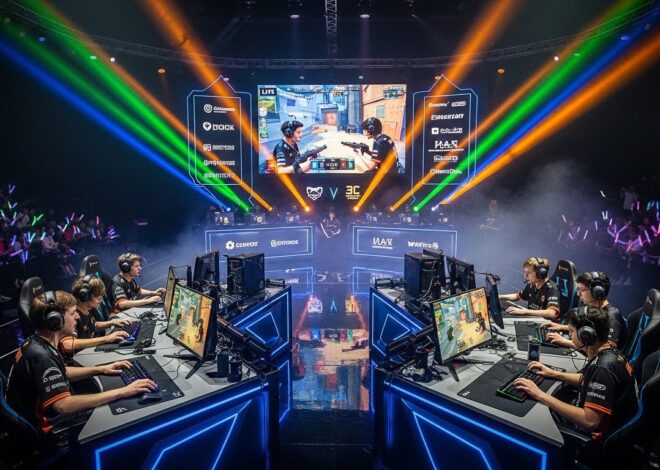
Team-based Esports titles emphasize communication and collaboration. Players must coordinate strategies, understand teammates’ strengths and weaknesses, and adapt to opponents in real-time. Success in Esports requires not only personal skill but also the ability to function as part of a cohesive unit, blending individual performance with team dynamics.
Physical and Mental Preparation
Despite being a digital sport, physical and mental preparation is critical in Esports. Professional players often follow strict routines, including physical exercise, proper nutrition, and mental conditioning. Physical health improves reflexes, endurance, and focus, which are crucial during long tournaments.
Mental resilience is equally vital. Competitive gaming involves high-pressure scenarios, public scrutiny, and the constant need for improvement. Players must manage stress, recover from setbacks, and maintain concentration for hours. The discipline and dedication required demonstrate that Esports athletes must train both body and mind to achieve peak performance.
Career Opportunities in Esports
Esports has created diverse career paths beyond playing professionally. Players can earn salaries, tournament prize money, and sponsorship deals. Streamers and content creators generate income through subscriptions, donations, and brand partnerships. Other roles include coaches, analysts, event organizers, marketing professionals, and team managers, all contributing to the industry’s growth.
Despite these opportunities, building a career in Esports is challenging. Competition is fierce, and only a small percentage reach professional levels. Success requires rigorous training, adaptability, and strong networking skills. However, for those passionate about gaming, Esports offers a chance to turn talent into a viable and fulfilling career.
Economic Impact of Esports
Esports has evolved into a major economic force. Revenue streams include tournament prize pools, advertising, sponsorships, merchandise, and media rights. High-profile tournaments feature multi-million-dollar prize pools, attracting top talent globally. Corporations recognize Esports as an effective marketing platform, connecting with highly engaged digital audiences.
Beyond revenue, Esports events boost local economies. International tournaments bring tourism, create temporary and permanent jobs, and encourage technological innovation. The economic impact emphasizes that Esports is not only entertainment but also a serious industry with significant societal influence.
Fan Engagement and Community
The Esports phenomenon thrives because of its passionate fan base. Fans participate actively, watching live streams, discussing strategies, and attending tournaments. Social media and streaming platforms create direct interaction between players and fans, fostering loyalty and community engagement.
Fan culture in Esports is unique. Supporters often create fan art, videos, and commentary, contributing to the growth of the gaming community. This participatory culture enhances the overall experience, making fans feel like active contributors rather than passive observers. Esports communities are inclusive, allowing players and fans from diverse backgrounds to connect and collaborate.
Esports in Education
Educational institutions are increasingly integrating Esports programs to nurture talent and teach essential skills. Universities offer scholarships, training, and competitive opportunities for students pursuing Esports careers. Academic programs in game design, analytics, and sports management complement professional development.
Participation in educational Esports programs teaches teamwork, strategic thinking, time management, and communication skills. Students gain experience that is applicable not only to gaming but also to future careers in technology, business, and leadership. Integrating Esports into education reflects its growing recognition as a legitimate field of study and professional development.
Technology’s Role in Esports
Technology is the backbone of Esports. High-performance gaming hardware, advanced graphics, and reliable internet connectivity make competitive gaming possible. Streaming platforms allow real-time viewing for millions worldwide, while analytics software helps players refine strategies and optimize performance.
Emerging technologies such as virtual reality and augmented reality are expanding gameplay possibilities and fan engagement. Technology ensures that Esports continues to evolve, offering increasingly immersive and accessible experiences for both players and audiences.
Social Inclusion and Diversity
Esports promotes inclusivity and diversity more effectively than many traditional sports. People from various cultural, economic, and physical backgrounds can compete equally, emphasizing skill and dedication rather than physical attributes. International tournaments unite players from different nations, promoting cultural exchange and mutual respect.
Women are increasingly participating in Esports, breaking barriers and gaining recognition. Inclusive initiatives encourage more representation, highlighting that competitive success depends on talent and effort rather than demographics. Esports fosters an environment of equality and opportunity, making it a progressive force in entertainment.
The Future of Esports
The future of Esports is bright and rapidly evolving. Professional leagues, international tournaments, and online competitions are expected to expand further. Technology, including AI, VR, and performance analytics, will continue to enhance player skills and fan experiences. Esports will likely become even more integrated into mainstream culture, education, and entertainment.
Challenges remain, such as ensuring player well-being, regulating competition, and maintaining ethical standards. However, the continued global growth and mainstream acceptance of Esports indicate that it will remain a transformative force, reshaping entertainment, careers, and community engagement worldwide.
Conclusion: Esports as a Cultural and Professional Revolution
Esports is no longer just a hobby; it has emerged as a cultural, economic, and professional powerhouse. It combines technology, strategy, and entertainment, offering a unique experience for players and fans alike. From developing skills and teamwork to providing career opportunities and global community engagement, Esports demonstrates the profound impact of digital competitive gaming.
As technology continues to advance and digital communities grow, Esports will play an increasingly influential role in society. It is redefining the way people compete, connect, and pursue passions, proving that gaming is much more than recreation—it is a movement shaping the future of entertainment and professional opportunity.