
eSports Evolution: The Digital Arena Redefining Competitive Gaming
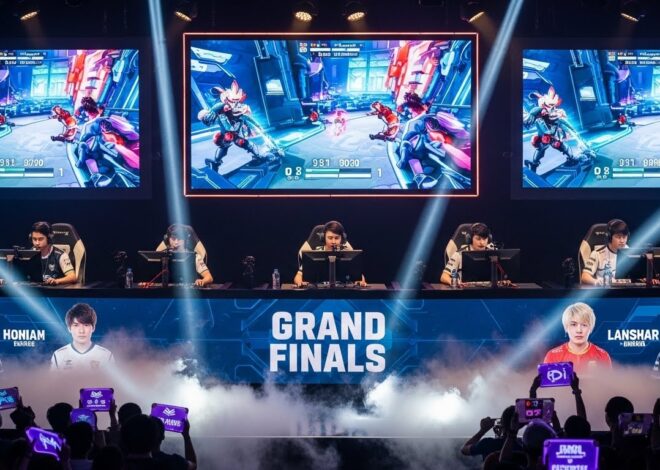
The world of gaming has undergone a remarkable transformation over the past decade, giving rise to a phenomenon that blends skill, strategy, and entertainment: eSports. Once considered a niche hobby, eSports has grown into a global industry with millions of fans, professional players, and lucrative tournaments.
What is eSports?
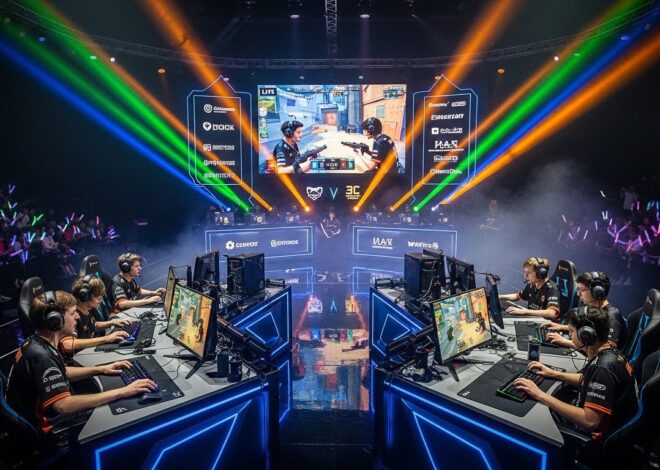
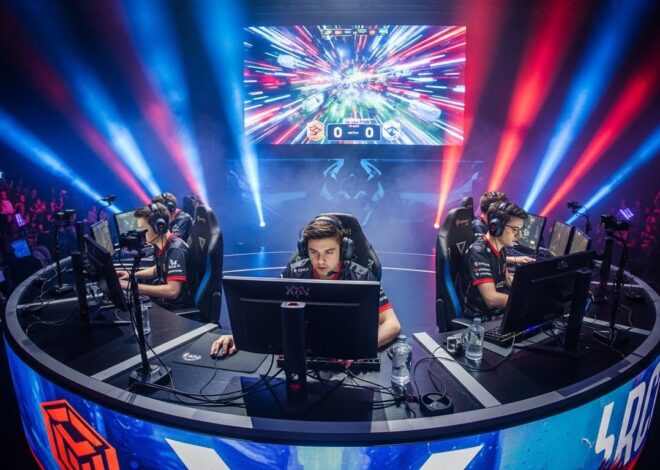
eSports, or electronic sports, refers to competitive video gaming where individuals or teams compete in organized tournaments. These games span multiple genres, including strategy, first-person shooters, fighting games, and sports simulations. Unlike casual gaming, eSports emphasizes high-level skill, teamwork, and strategy, turning gameplay into a spectator sport.
The Growth of the eSports Industry
The growth of eSports has been driven by advancements in technology and widespread internet access. Streaming platforms allow fans to watch live competitions from anywhere in the world, while professional leagues and sponsorship deals have transformed gaming into a viable career path. Today, tournaments offer prize pools worth millions, attracting elite players and global audiences alike.
Popular eSports Games
eSports encompasses a wide range of games, each with its own competitive scene:
- Multiplayer Online Battle Arenas (MOBAs): Games like League of Legends and Dota 2 require teamwork, strategy, and quick decision-making.
- First-Person Shooters (FPS): Titles such as Counter-Strike: Global Offensive and Call of Duty focus on precision, reflexes, and tactical planning.
- Fighting Games: Games like Street Fighter and Super Smash Bros. showcase one-on-one combat skills and mastery of complex mechanics.
- Sports Simulations: FIFA, NBA 2K, and other sports games bring real-world athletic competition into a digital space.
The Role of Streaming and Community
One of the defining features of eSports is its integration with online streaming platforms. Fans can watch live gameplay, interact with players, and join communities that share their passion. This connection has created a culture of engagement where players and audiences influence the evolution of games and tournaments.
Career Opportunities in eSports
eSports offers diverse career opportunities beyond playing professionally. Commentators, coaches, analysts, tournament organizers, and content creators all play essential roles in the industry. Sponsorships and brand partnerships further open pathways for monetization, making eSports a multi-faceted career landscape.
Challenges Facing eSports
Despite its rapid growth, eSports faces challenges. Ensuring fair competition, combating cheating, and maintaining player health are critical concerns. Additionally, establishing consistent regulations and governance is necessary to ensure the long-term sustainability of the industry.
The Future of eSports
The future of eSports looks promising, with innovations like virtual reality, augmented reality, and artificial intelligence set to enhance competitive gaming experiences. As eSports becomes more mainstream, it has the potential to redefine entertainment, education, and even social interactions in the digital age.
Conclusion
eSports has emerged as a dynamic fusion of technology, skill, and community. It has transformed video gaming into a global spectacle where players compete at the highest level and fans actively participate in a thriving digital culture. As the industry continues to evolve, eSports promises to remain a driving force in shaping the future of competitive entertainment.