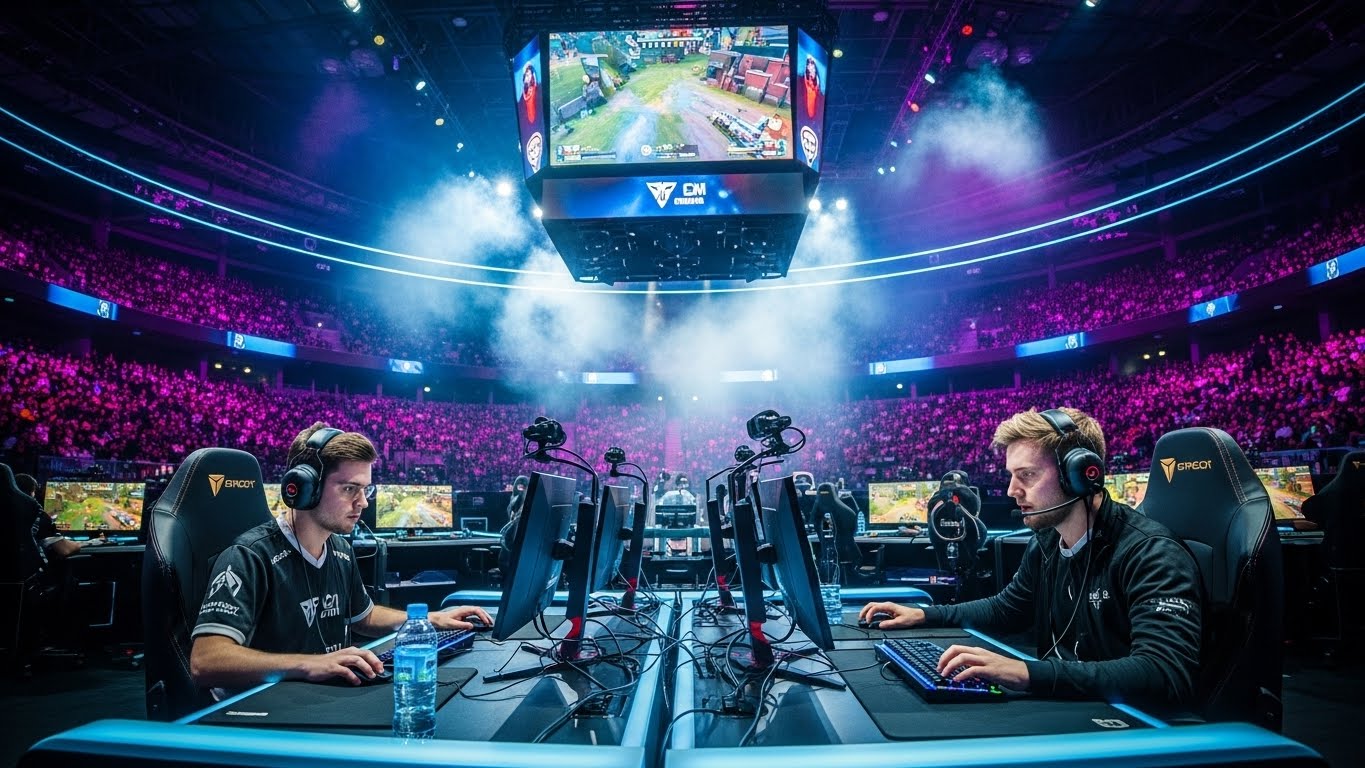
Esports Evolution: The Rise of Competitive Gaming in the Modern Era
Esports, short for electronic sports, has grown from a niche hobby into a global phenomenon, captivating millions of fans and transforming the way we perceive competitive entertainment. Over the past decade, what was once considered a casual pastime has evolved into a professional industry, complete with sponsorships, tournaments, and professional athletes. This blog post explores the rise of esports, its cultural significance, economic impact, and the future of competitive gaming.
The Origins of Esports
The concept of competitive video gaming dates back to the 1970s, with arcade competitions serving as the first public competitions for video game enthusiasts. Early games such as Pong and Space Invaders sparked the imagination of players who wanted to test their skills against others. However, esports truly began to take shape in the 1990s with the advent of PC gaming and the rise of multiplayer games. Titles like Doom and Quake introduced online competition, allowing players from different locations to face off in virtual arenas. These early competitions laid the foundation for the structured tournaments and professional leagues we see today.
The Popularity Surge: Why Esports Captured Global Attention
The explosive growth of esports in the 21st century can be attributed to several key factors. Firstly, technological advancements in internet infrastructure and gaming hardware have made online multiplayer games more accessible than ever before. High-speed connections, powerful graphics cards, and immersive gaming experiences have allowed players to engage in competitive play at a professional level.
Secondly, the rise of streaming platforms has transformed esports into a spectator sport. Platforms like Twitch and YouTube Gaming provide gamers with the opportunity to broadcast their gameplay to millions of viewers around the world. Fans can watch their favorite players, learn new strategies, and engage with communities, creating a sense of shared experience that mirrors traditional sports fandom.
Thirdly, the cultural acceptance of gaming has shifted dramatically. Video games are no longer viewed as a solitary or trivial hobby but as a legitimate form of competition and entertainment. This cultural shift has opened doors for esports athletes to receive recognition, sponsorships, and even celebrity status.
The Structure of Professional Esports
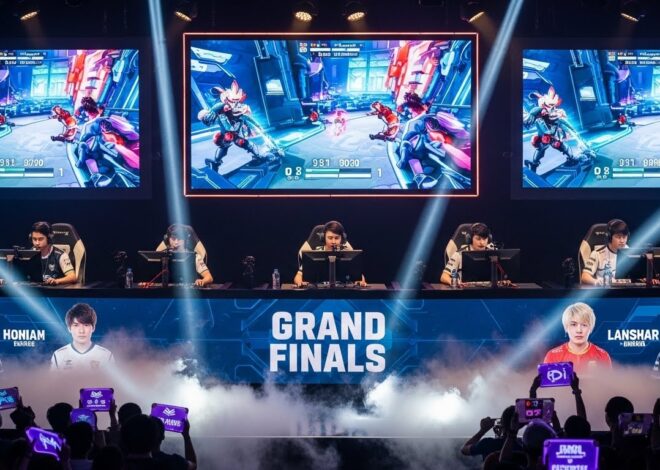
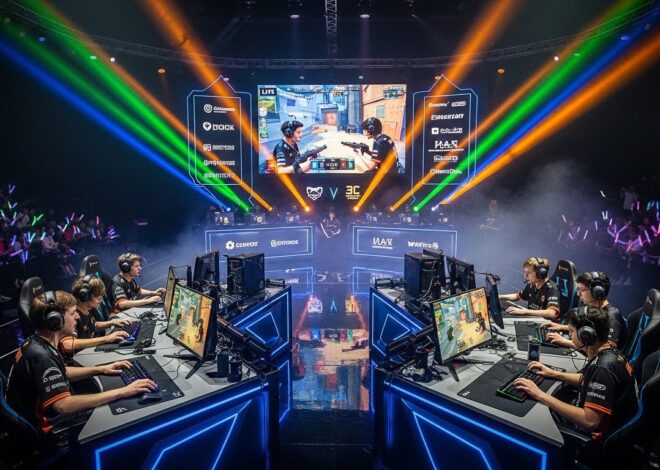
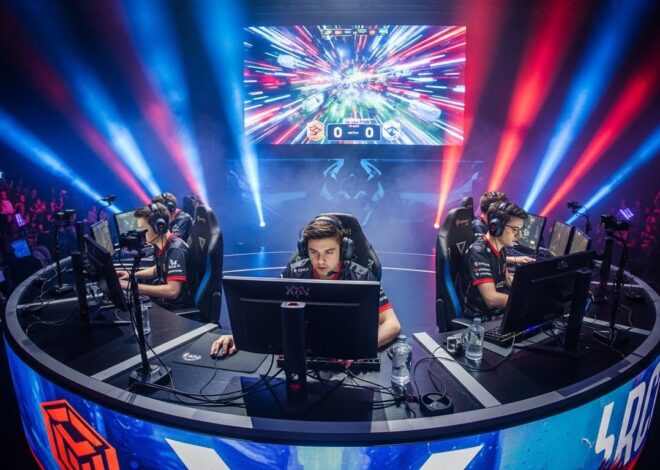
Professional esports operates in a manner similar to traditional sports, with leagues, teams, and organized tournaments. Popular esports titles include League of Legends, Counter-Strike: Global Offensive, Dota 2, Fortnite, and Call of Duty, each with its own competitive ecosystem. Players typically specialize in one game and undergo rigorous training schedules, often practicing for six to twelve hours a day to refine their skills and strategies.
Teams compete in regional leagues, leading up to international tournaments with substantial prize pools. These events are broadcasted globally, attracting millions of live viewers. Just like traditional sports teams, esports organizations recruit players based on talent, teamwork, and performance metrics. Coaches, analysts, and support staff contribute to a professional environment aimed at maximizing performance.
Economic Impact of Esports
The esports industry has seen significant financial growth in recent years, with revenues surpassing billions of dollars annually. Revenue streams include sponsorships, advertising, media rights, merchandise, and ticket sales for live events. Major corporations, recognizing the marketing potential of esports, have invested heavily in teams and tournaments. This influx of funding has elevated the industry, creating lucrative career opportunities for players, coaches, content creators, and event organizers.
In addition, esports has boosted local economies by hosting international tournaments that attract tourists, fans, and media attention. Cities that host major events often see increased hotel bookings, restaurant traffic, and business opportunities, contributing to a vibrant local economy. The economic impact of esports is not just global but highly localized, demonstrating the multifaceted value of competitive gaming.
The Role of Community in Esports Growth
A distinctive feature of esports is the strong sense of community among players and fans. Online forums, social media groups, and streaming chats provide platforms for discussion, debate, and collaboration. Communities serve as support networks for players, offering guidance, feedback, and encouragement. Fan engagement is also a major driver of the industry’s growth. Viewers are not merely spectators; they actively participate through fan art, fan fiction, commentary, and online tournaments.
Esports communities have also promoted inclusivity, welcoming players of different ages, genders, and backgrounds. While challenges remain, such as toxicity and harassment, the overall trend points toward fostering a diverse and engaged global network of gamers.
Health and Lifestyle Considerations for Esports Athletes
While the esports industry is thriving, it comes with unique challenges related to the health and lifestyle of professional players. Extended periods of practice can lead to physical strain, particularly in the hands, wrists, and back. Mental health is another concern, as competitive pressure, travel schedules, and public scrutiny can lead to stress and burnout.
To address these issues, many professional teams now employ fitness trainers, nutritionists, and mental health professionals to support players. Regular exercise, balanced diets, and mental wellness practices are emphasized alongside skill development, highlighting the importance of holistic care in professional esports. This approach ensures that players maintain peak performance while safeguarding their long-term health.
The Cultural Significance of Esports
Esports has transcended mere entertainment to become a cultural phenomenon. It reflects the evolution of technology, media consumption, and global connectivity. Unlike traditional sports, esports is accessible to anyone with an internet connection, leveling the playing field and allowing talent to emerge from unexpected places.
Moreover, esports has influenced popular culture, inspiring music, fashion, and media collaborations. Iconic players and teams have become symbols of excellence, creativity, and perseverance, inspiring a new generation of gamers. The cultural footprint of esports is evident in mainstream acceptance, media coverage, and the celebration of gaming as a legitimate form of competition.
The Future of Esports
The future of esports is bright, with several trends poised to shape its growth. Virtual reality (VR) and augmented reality (AR) technologies promise to create even more immersive gaming experiences. Artificial intelligence (AI) is being integrated to improve gameplay analysis, coaching, and matchmaking. Cross-platform gaming is breaking barriers between consoles, PCs, and mobile devices, allowing a broader audience to participate in competitive play.
Additionally, the professionalization of esports is expected to continue, with improved player contracts, standardized leagues, and better healthcare provisions. Educational institutions are also recognizing the value of esports, with universities offering scholarships and courses dedicated to game development, competitive strategy, and esports management.
The integration of esports into mainstream media and entertainment will likely continue, creating opportunities for collaboration between gaming, film, music, and sports industries. As the boundaries between virtual and physical experiences blur, esports is poised to become a central pillar of global entertainment culture.
Conclusion
Esports has come a long way from humble beginnings in arcade halls and early online games. Today, it stands as a testament to the power of technology, creativity, and human competition. The industry’s growth has been fueled by technological innovation, cultural acceptance, and a passionate global community.
With its economic impact, professional opportunities, and cultural significance, esports is no longer just a pastime—it is a dynamic and influential force shaping the future of entertainment. As technology advances and new generations of gamers emerge, esports will continue to redefine the boundaries of competition, collaboration, and creativity in the digital age.
Competitive gaming is more than just a sport; it is a reflection of modern society’s ability to adapt, connect, and innovate. Esports represents the perfect fusion of skill, strategy, and spectacle, making it one of the most compelling forms of entertainment in the 21st century.