Esports Revolution: How Competitive Gaming is Redefining Entertainment, Careers, and Culture
Introduction: The Digital Sporting Frontier
Esports, short for electronic sports, has rapidly emerged as one of the most influential forms of entertainment in the modern era. What once was a niche hobby of passionate gamers has transformed into a global industry, drawing millions of viewers, generating billions in revenue, and creating professional careers. Unlike traditional sports, esports thrives entirely in digital arenas, yet it mirrors the dedication, strategy, and competitive spirit found in conventional athletics. In this blog, we explore the evolution, significance, and future of esports, highlighting its impact on culture, communities, and the entertainment landscape.
The Origins of Esports: From Arcades to Online Arenas
Competitive gaming traces its roots back to the late 1970s and 1980s when arcades and early home consoles introduced players to high-score competitions. Games like Space Invaders and Pac-Man inspired local tournaments and friendly rivalries. The 1990s marked a turning point with the rise of networked computers and early online games, including titles like StarCraft, Quake, and Counter-Strike. These games introduced team-based strategies, competitive ladders, and online tournaments, setting the stage for the professional esports scene. Early esports competitions demonstrated that gaming required skill, strategy, and mental endurance, laying the groundwork for future growth.
The Growth of Professional Esports
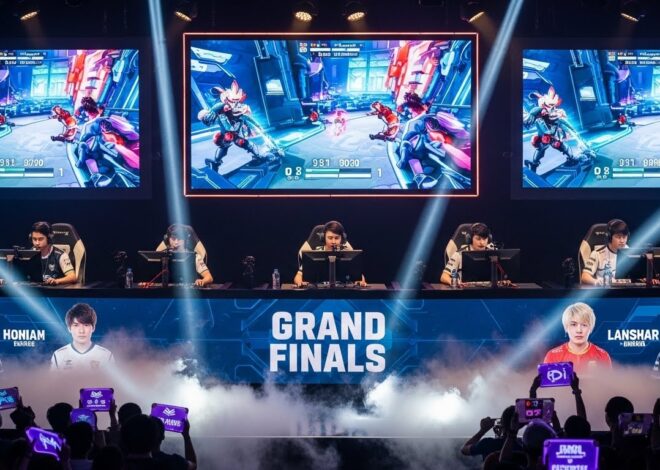
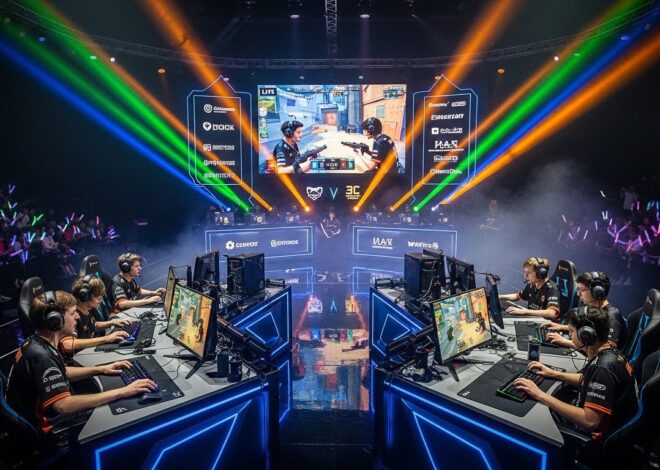
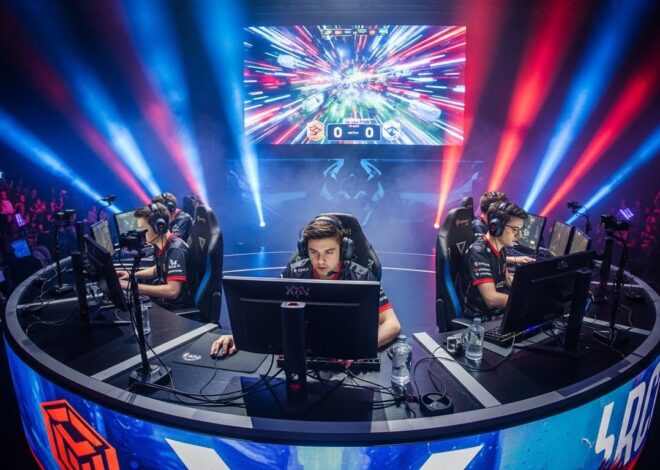
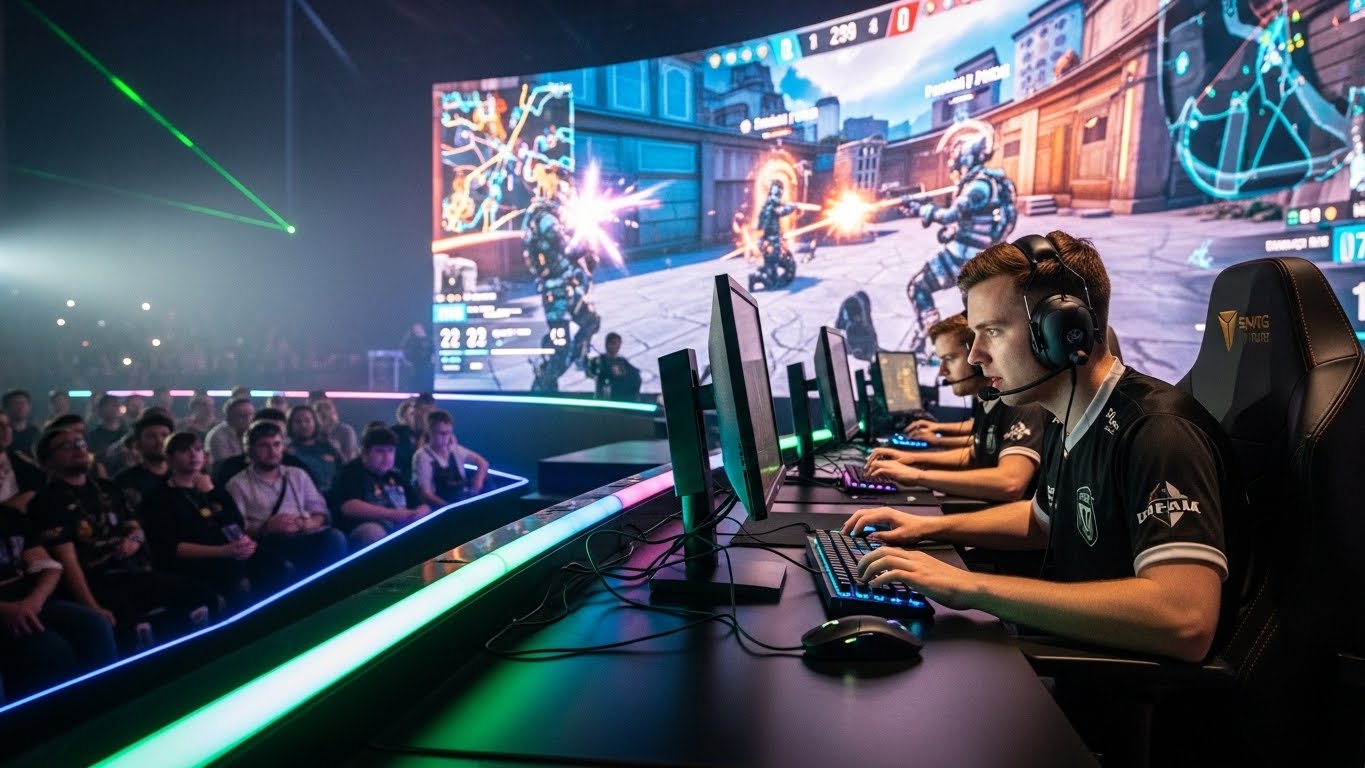
The 2000s and 2010s witnessed the professionalization of esports. Organized leagues, structured tournaments, and international competitions transformed casual gaming into a viable career path. Platforms like Twitch and YouTube Gaming allowed fans to watch live gameplay, creating communities and global audiences. Titles such as League of Legends, Dota 2, Call of Duty, and Fortnite became cultural phenomena, drawing sponsorships, media coverage, and dedicated fan bases. Today, professional esports athletes compete in packed arenas, with championship tournaments rivaling traditional sports events in scale and production value.
Esports as a Spectator Experience
A key aspect of esports is its appeal to spectators. Unlike traditional sports, esports allows fans to engage directly with the game through live streaming, interactive chats, and real-time commentary. High-stakes tournaments are broadcast with professional production, multiple camera angles, and expert analysis, creating immersive experiences. Fans celebrate victories, discuss strategies, and form communities around shared interests. The combination of digital accessibility, social interaction, and professional production has made esports a mainstream form of entertainment for millions worldwide.
The Skills Required for Competitive Gaming
Success in esports requires a unique blend of physical and mental abilities. Hand-eye coordination, reflexes, and precise timing are essential, but equally important are strategic thinking, teamwork, and adaptability. Players must analyze opponents, develop strategies on the fly, and maintain focus under pressure. Communication and collaboration are crucial in team-based games, while individual performance requires discipline and mental resilience. Professional esports athletes dedicate hours daily to practice, review gameplay, and improve both technical and cognitive skills, demonstrating that competitive gaming demands rigorous training akin to traditional sports.
The Role of Technology in Esports
Technology is at the heart of esports. High-performance gaming hardware, low-latency internet connections, and advanced software ensure competitive fairness and immersive experiences. Streaming platforms enable global viewership, while analytics tools allow teams and players to track performance and optimize strategies. Emerging technologies such as virtual reality, augmented reality, and cloud gaming are expanding the possibilities for gameplay and audience engagement. Technology not only enables esports but also continues to drive its innovation, making it a frontier of digital entertainment.
Community and Cultural Impact
Esports has created vibrant global communities where players, fans, and creators connect and collaborate. Online forums, streaming platforms, and social media enable discussions, fan art, tutorials, and mentorship, fostering a sense of belonging. These communities transcend borders, languages, and cultures, uniting individuals around shared passions. Esports culture influences fashion, music, and lifestyle, demonstrating its broader social impact. For many, esports is more than entertainment—it is a way of life, a source of identity, and a vehicle for creativity and social engagement.
Economic Significance of Esports
The esports industry has become a powerful economic force. Professional teams operate like traditional sports franchises, employing players, coaches, analysts, and support staff. Tournaments generate revenue through ticket sales, sponsorships, broadcasting rights, and merchandise. Major brands invest heavily in esports marketing to reach younger, digitally engaged audiences. The industry also drives growth in related sectors, including gaming hardware, software development, streaming platforms, and digital media. The economic ecosystem of esports demonstrates its influence beyond gaming, creating jobs, revenue streams, and investment opportunities worldwide.
Health and Wellness Considerations
While esports offers numerous benefits, it also presents health challenges. Extended gaming sessions can cause eye strain, repetitive strain injuries, and posture-related issues. Mental health is equally important, as professional players face stress, burnout, and performance anxiety. Leading esports organizations now emphasize physical fitness, balanced practice schedules, and mental coaching to ensure player longevity. Awareness of health and wellness is becoming central to sustaining careers and maintaining the competitive and entertainment value of esports.
Youth Esports and Education
Esports is increasingly integrated into educational programs. Schools and universities offer esports clubs, scholarships, and academic programs focused on game design, strategy, and management. Participation teaches teamwork, communication, strategic thinking, and problem-solving skills, providing both recreational and educational benefits. Youth esports also encourages discipline, time management, and digital literacy, preparing students for careers in gaming, technology, and related industries. By merging entertainment with skill development, esports becomes a powerful tool for personal and professional growth.
Women in Esports
The presence of women in esports is growing, challenging traditional gender norms and promoting inclusivity. Female players, teams, and tournaments are gaining visibility, inspiring younger generations to pursue competitive gaming. Initiatives supporting women in esports provide mentorship, training, and competitive opportunities, fostering diversity within the industry. As representation increases, women in esports are not only competing at elite levels but also influencing culture, leadership, and advocacy within the gaming community.
Challenges Facing Esports
Despite its rapid growth, esports faces significant challenges. Regulation, ethical competition, and fair play are ongoing concerns, as cheating and manipulation threaten the integrity of matches. Player well-being, accessibility, and diversity are also key issues that the industry must address. Balancing commercialization with community values and maintaining professional standards are critical for sustaining long-term growth and credibility. Navigating these challenges will determine how esports continues to evolve as a respected and mainstream form of entertainment.
The Global Reach of Esports
Esports is a global phenomenon, with strong presences in Asia, North America, Europe, and increasingly in other regions. Countries like South Korea, China, and the United States have established competitive infrastructures, professional leagues, and dedicated fan bases. International tournaments foster cross-cultural interaction, celebrate diversity, and unify fans around shared passions. The global nature of esports highlights its inclusivity and ability to transcend geographic and cultural boundaries, connecting millions of players and spectators worldwide.
The Future of Esports
The future of esports is poised for continued expansion and innovation. Virtual reality, augmented reality, and cloud gaming are likely to reshape competitive formats and audience engagement. Esports may merge more closely with mainstream entertainment, education, and traditional sports, creating hybrid experiences. Increased recognition of player health, ethical competition, and diversity initiatives will strengthen the industry. As esports grows, it will continue to redefine how we play, watch, and interact with digital competition, solidifying its role as a transformative force in entertainment and culture.
Conclusion: Esports as a Cultural and Professional Phenomenon
Esports is no longer a niche hobby; it is a global cultural and professional phenomenon. It combines competition, strategy, and entertainment in ways that engage players and audiences on multiple levels. Beyond gaming, esports fosters community, inspires individuals, drives economic growth, and influences culture. It offers opportunities for personal development, professional careers, and global connection.
As technology evolves and audiences expand, esports will continue to redefine entertainment, challenge traditional notions of sports, and inspire new generations of players and fans. It represents not just a form of play, but a dynamic, influential, and enduring part of modern culture, offering endless opportunities for growth, innovation, and connection across the globe.