Esports Revolution: How Competitive Gaming is Reshaping the Future of Sports
Introduction: The Rise of Esports
Esports, or competitive gaming, has transformed from a niche hobby into a global phenomenon. What began as casual competitions among friends has evolved into a professional industry with millions of fans, multi-million-dollar tournaments, and internationally recognized players. Esports is no longer just entertainment—it is a legitimate career path, a platform for innovation, and a cultural force that is shaping the way people view competition, teamwork, and technology.
This blog explores the evolution of esports, its social and cultural impact, the skills required to compete at the highest level, and its future potential. Esports is not only revolutionizing gaming but also redefining how we understand sports and entertainment in the digital age.
The Origins and Evolution of Esports
The roots of competitive gaming trace back to the late 20th century, when arcade tournaments and early video game competitions became popular. Classic games like Space Invaders, Pac-Man, and Street Fighter laid the foundation for structured gaming competitions.
As technology advanced, competitive gaming expanded to home consoles and personal computers. The early 2000s saw the rise of games like StarCraft, Counter-Strike, and Warcraft III, which established the frameworks for professional esports tournaments. Internet connectivity allowed players from different regions to compete online, creating global communities and fostering international competition.
Today, esports encompasses a wide variety of genres, including first-person shooters, multiplayer online battle arenas, sports simulations, and battle royale games. This evolution has elevated esports from casual competition to a professional industry with organized leagues, sponsorships, and mainstream media coverage.
The Competitive Structure of Esports
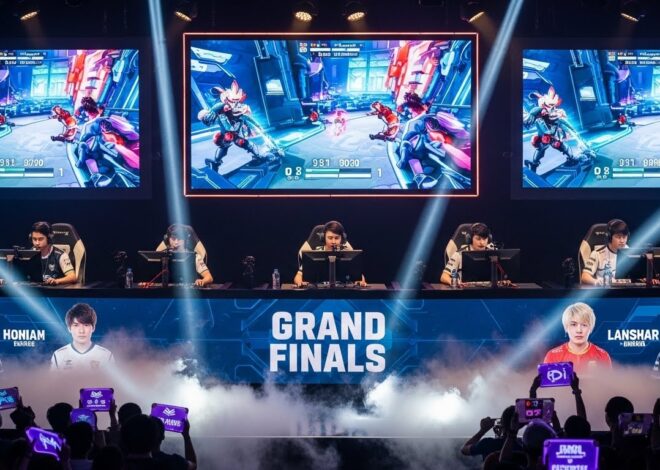
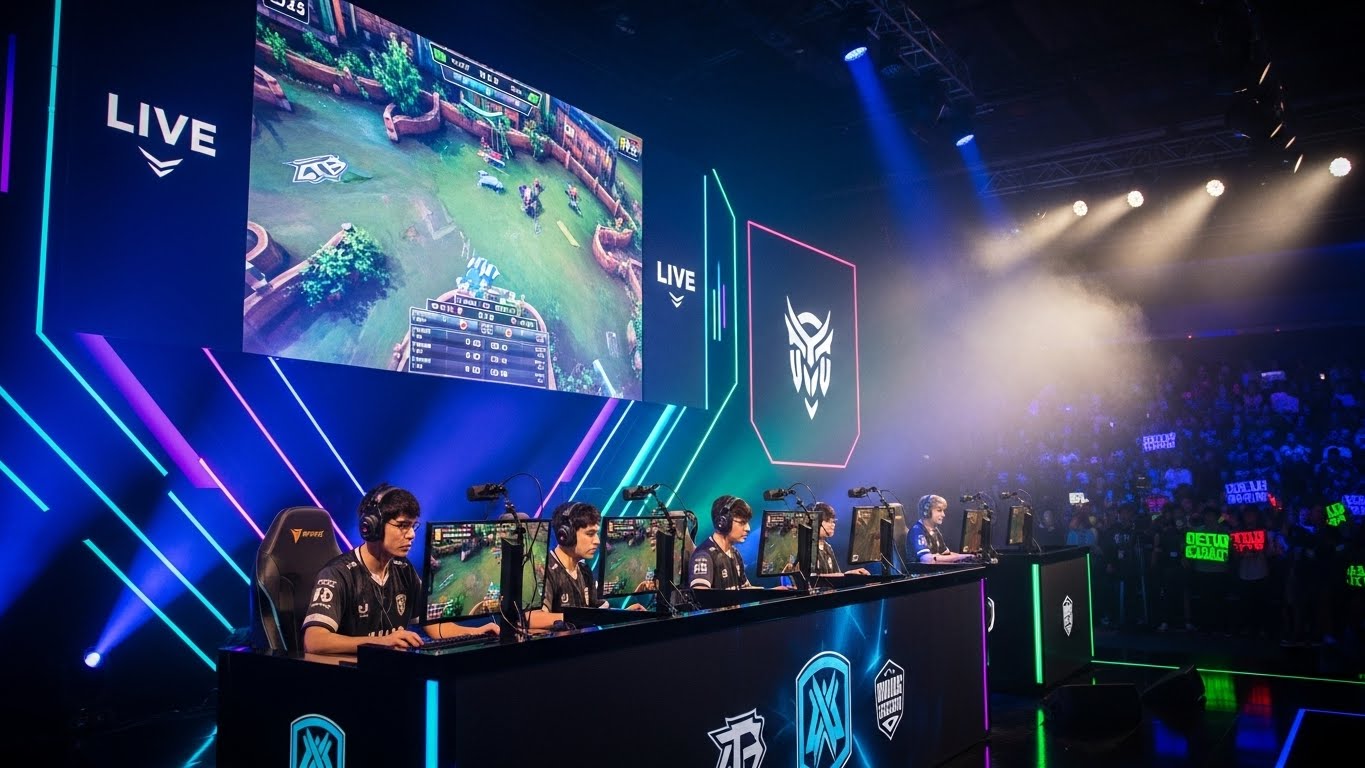
Esports is structured around leagues, tournaments, and rankings, much like traditional sports. Players and teams compete in organized events, often streamed to millions of viewers worldwide. Major tournaments, such as The International for Dota 2, League of Legends World Championship, and CS:GO Major Championships, attract massive audiences and offer substantial prize pools.
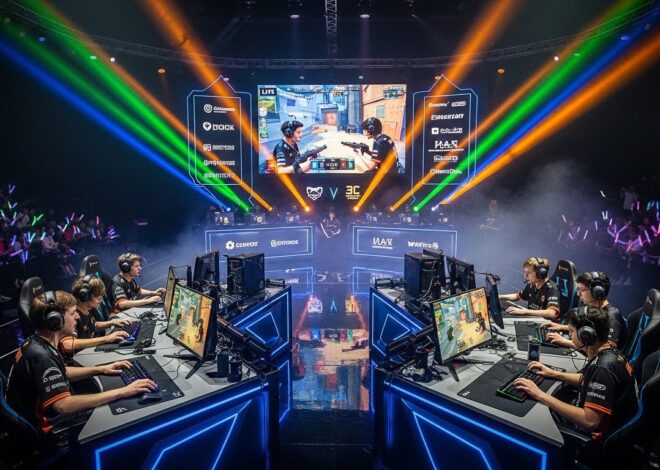
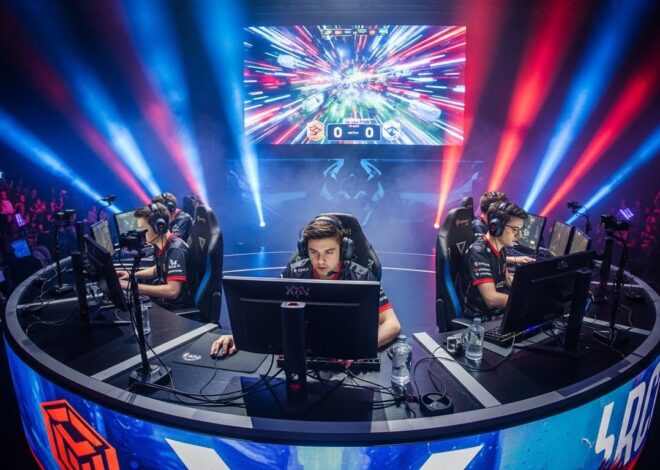
Professional teams consist of skilled players, coaches, analysts, and managers. These teams operate similarly to sports franchises, with rigorous training schedules, strategic planning, and performance reviews. Players dedicate thousands of hours to practice, honing their mechanics, teamwork, and decision-making skills.
This level of organization and professionalism has helped esports gain recognition as a legitimate competitive field, bridging the gap between traditional sports and digital competition.
The Social and Cultural Impact of Esports
Esports has created vibrant communities that span the globe. Online platforms allow players to connect, collaborate, and compete regardless of geographical boundaries. Fans engage through live streams, social media, and fan events, fostering a sense of belonging and shared passion.
Esports also challenges traditional perceptions of sports and entertainment. It emphasizes strategy, reflexes, teamwork, and mental agility, proving that competition is not limited to physical ability. The rise of esports has inspired younger generations to pursue careers in gaming, game design, broadcasting, and content creation.
Culturally, esports represents the convergence of technology, entertainment, and social interaction. It celebrates diversity, creativity, and digital literacy, providing a platform where anyone with skill and dedication can succeed.
Skills Required to Excel in Esports
Success in esports demands a combination of mental, physical, and social skills. Unlike traditional sports, where physical strength is often a primary factor, esports emphasizes cognitive abilities, strategic thinking, and rapid decision-making.
Key skills include:
- Hand-Eye Coordination and Reflexes: Precision and timing are crucial in fast-paced games, requiring quick reactions and fine motor skills.
- Strategic Thinking: Players must analyze opponents, adapt to dynamic situations, and plan long-term strategies.
- Teamwork and Communication: Coordinating with teammates in real time is essential for success in multiplayer games.
- Mental Resilience: Handling pressure, setbacks, and high-stakes situations is critical for maintaining peak performance.
- Adaptability: Game patches, meta changes, and evolving strategies require players to continuously learn and adjust.
Developing these skills requires dedication, discipline, and consistent practice, similar to the training regimens of professional athletes.
The Business of Esports
Esports has become a thriving global industry, attracting investment from sponsors, advertisers, and media companies. Revenue streams include tournament prize pools, sponsorship deals, merchandising, streaming platforms, and advertising partnerships.
Major tournaments are broadcast to millions of viewers worldwide, generating substantial media attention and brand exposure. Professional teams and organizations operate as businesses, managing talent, marketing, and fan engagement. Esports has created new career opportunities beyond playing, including coaching, analysis, event management, content creation, and marketing.
The financial growth of esports highlights its legitimacy and sustainability, establishing competitive gaming as a major player in the entertainment and sports industries.
The Role of Streaming and Digital Platforms
Streaming platforms have been instrumental in the growth of esports. Services like Twitch, YouTube Gaming, and regional streaming platforms allow players to broadcast their gameplay, engage with fans, and build personal brands.
Streaming transforms esports from a niche activity into a global spectacle. Fans can watch live competitions, interact with players, and participate in community discussions. This level of engagement creates a unique social experience, bridging the gap between players and audiences.
Content creation through streaming also allows professional and aspiring gamers to diversify their careers. Players gain recognition, sponsorships, and opportunities to expand their influence beyond the competitive scene.
Esports and Education
Esports is increasingly recognized as an educational tool. Schools and universities are developing programs that integrate esports into curricula, teaching skills such as teamwork, leadership, strategy, and digital literacy. Scholarships for esports athletes provide students with opportunities to pursue higher education while competing professionally.
Esports also promotes STEM skills, including coding, game development, and data analysis. Students engaged in esports gain practical experience in technology, communication, and project management, preparing them for careers in a rapidly evolving digital economy.
The educational value of esports demonstrates that competitive gaming is more than entertainment—it is a platform for learning, personal growth, and career development.
The Global Reach of Esports
Esports has a truly global audience, with major competitions attracting viewers from North America, Europe, Asia, and beyond. Countries like South Korea, China, and the United States are leading hubs for professional gaming, but esports communities exist worldwide.
The global reach of esports promotes cultural exchange and international collaboration. Players from diverse backgrounds compete on a shared platform, fostering understanding, teamwork, and mutual respect. International tournaments inspire national pride and create shared moments of excitement, similar to traditional sports events like the Olympics or the World Cup.
Esports’ global presence demonstrates its ability to unite people through a shared passion for gaming, bridging borders and creating a worldwide community.
The Future of Esports
The future of esports is bright and full of potential. Emerging technologies such as virtual reality, augmented reality, and artificial intelligence will enhance gameplay, fan experiences, and training methods. Immersive experiences will allow fans to feel like they are part of the competition, while AI-driven analytics will help players optimize performance and strategy.
Esports will continue to expand into mainstream culture, education, and entertainment. Professional leagues are likely to grow, with more structured governance, standardized rules, and global recognition. Sponsorships, media coverage, and fan engagement will create new opportunities for both players and organizations.
As esports evolves, it will continue to redefine competition, entertainment, and the meaning of sports in the digital era.
Conclusion: Esports as a Cultural and Competitive Force
Esports has come a long way from its humble beginnings as casual gaming competitions. Today, it is a global industry, a cultural phenomenon, and a legitimate form of professional competition. It combines skill, strategy, teamwork, and technology to create experiences that entertain, inspire, and unite people worldwide.
Esports teaches valuable skills, provides career opportunities, and promotes social engagement. It challenges traditional notions of sports and demonstrates that competition is not limited to physical arenas. The rise of esports shows that talent, dedication, and innovation are the key ingredients for success in both gaming and life.
As technology advances and global interest grows, esports will continue to shape the future of entertainment, sports, and culture. It is more than just gaming—it is a movement that reflects the passion, creativity, and determination of a new generation. Competitive gaming has arrived, and it is here to stay, transforming the way the world experiences sports, competition, and community.