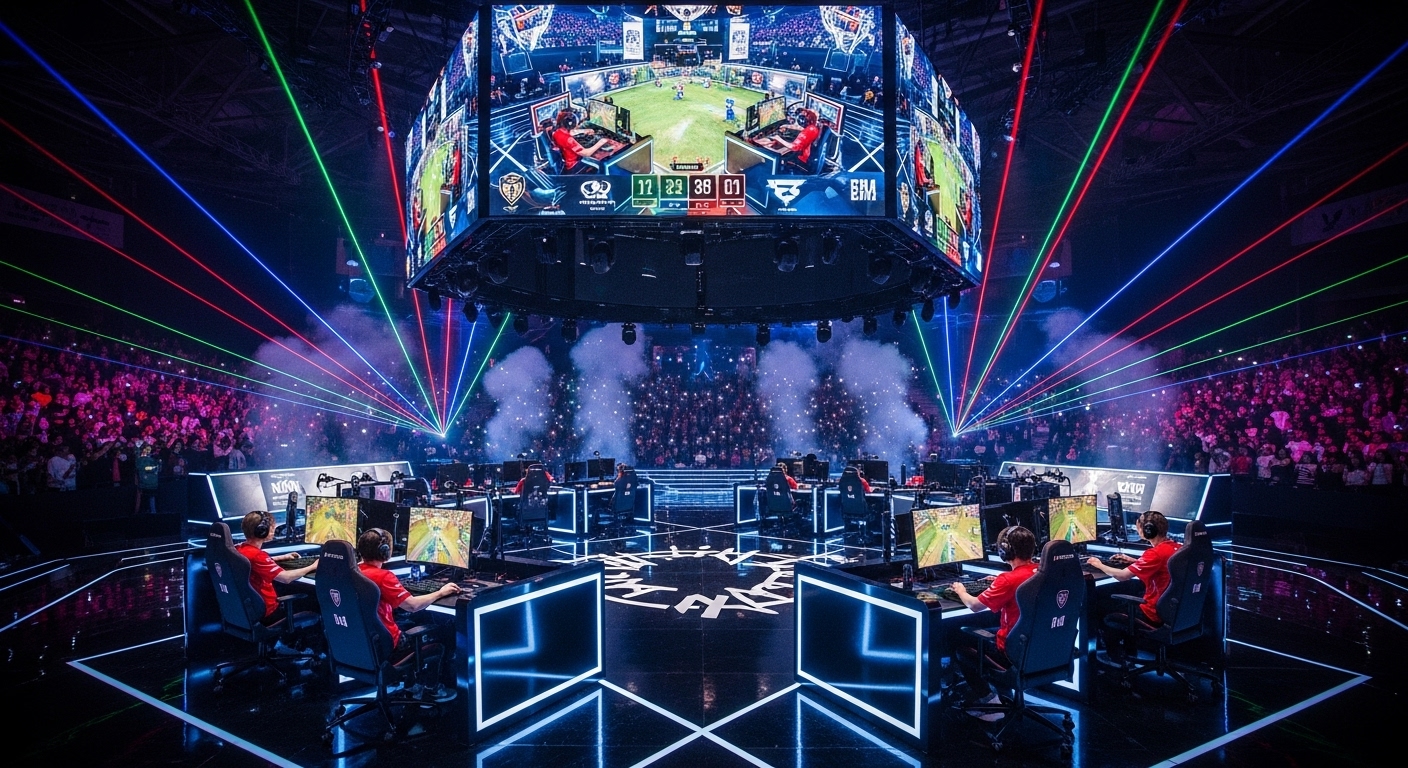
Esports Revolution: The New Frontier of Competitive Entertainment
Introduction: The Emergence of Esports
In the past decade, esports has transitioned from a small subculture to a worldwide entertainment juggernaut. What started as casual competitions among friends has now evolved into professional leagues, multi-million-dollar prize pools, and events that draw millions of viewers globally. The rise of esports signals a new era in how we experience competition and entertainment.
Understanding Esports: More Than Just Gaming
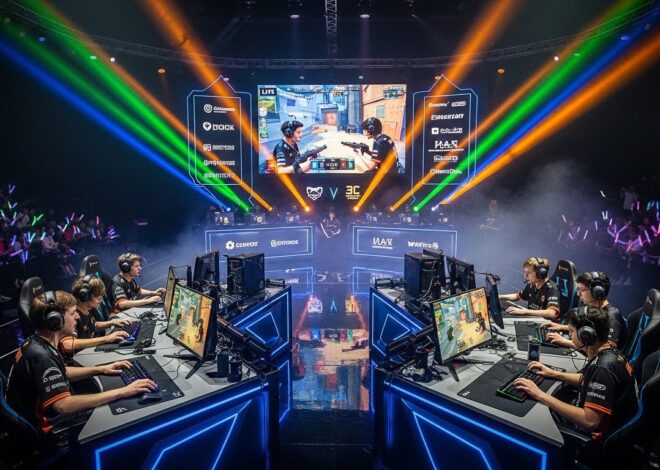
Esports stands for electronic sports, which involves competitive video gaming at a professional level. Players and teams compete in various genres, including strategy, first-person shooters, and sports simulations. These competitions require skill, teamwork, strategy, and intense practice, similar to traditional sports.
The Growth and Popularity of Esports
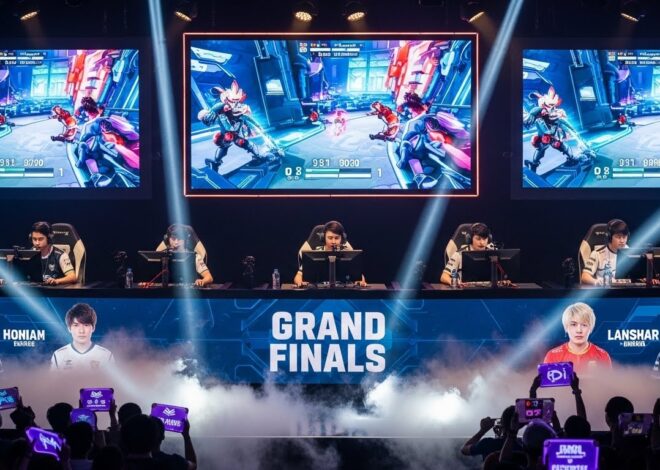
The audience for esports continues to grow rapidly. Streaming platforms and social media have made it easy for fans worldwide to follow their favorite players and teams. Esports tournaments now fill stadiums and attract millions of online viewers, proving the industry’s expanding reach and appeal.
Professional Players: Athletes of the Digital Age
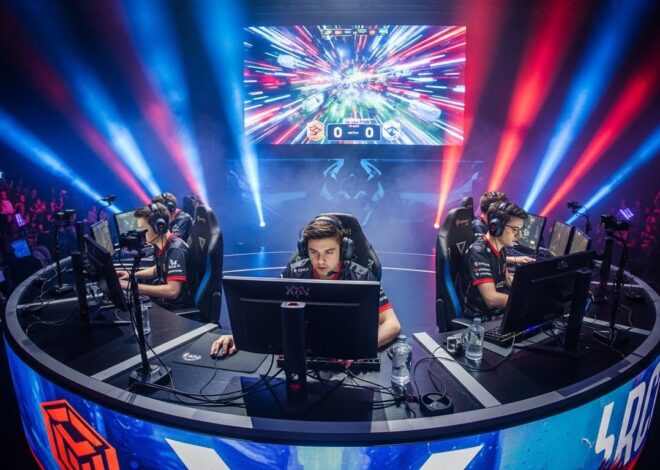
Esports athletes dedicate countless hours to honing their skills, studying opponents, and maintaining their physical and mental health. Their lifestyle includes rigorous training schedules, coaching, and teamwork. This professional approach is critical in a highly competitive environment where milliseconds can decide the outcome.
Economic Impact and Business Opportunities
Esports is a booming business sector with diverse revenue streams. Sponsorships, advertising, media rights, merchandise sales, and event hosting contribute to the industry’s economic power. The financial opportunities attract investments from traditional sports franchises, media companies, and global brands.
Education and Career Paths in Esports
More educational institutions are recognizing esports by offering scholarships and creating varsity teams. Beyond playing professionally, there are opportunities in event management, marketing, game development, commentary, and content creation. Esports is shaping new career pathways for passionate gamers.
Challenges Facing the Esports Industry
Despite its growth, esports faces challenges such as player burnout, regulatory issues, and inclusivity concerns. Mental health awareness is becoming an important topic, as the pressure on professional players can be intense. Additionally, efforts are underway to promote diversity and fair play within the community.
The Future of Esports
Technology will continue to shape esports with innovations like virtual reality, artificial intelligence, and enhanced streaming capabilities. The potential for esports to integrate into global sports events or establish new competitive frameworks is immense. As the industry matures, its influence on culture and entertainment will only deepen.
Conclusion: Esports as a Cultural Phenomenon
Esports is no longer just about gaming; it is a vibrant ecosystem combining technology, competition, and community. Its rapid rise challenges traditional notions of sports and entertainment, offering new ways for people to connect and compete. The future of esports promises excitement, innovation, and endless possibilities.