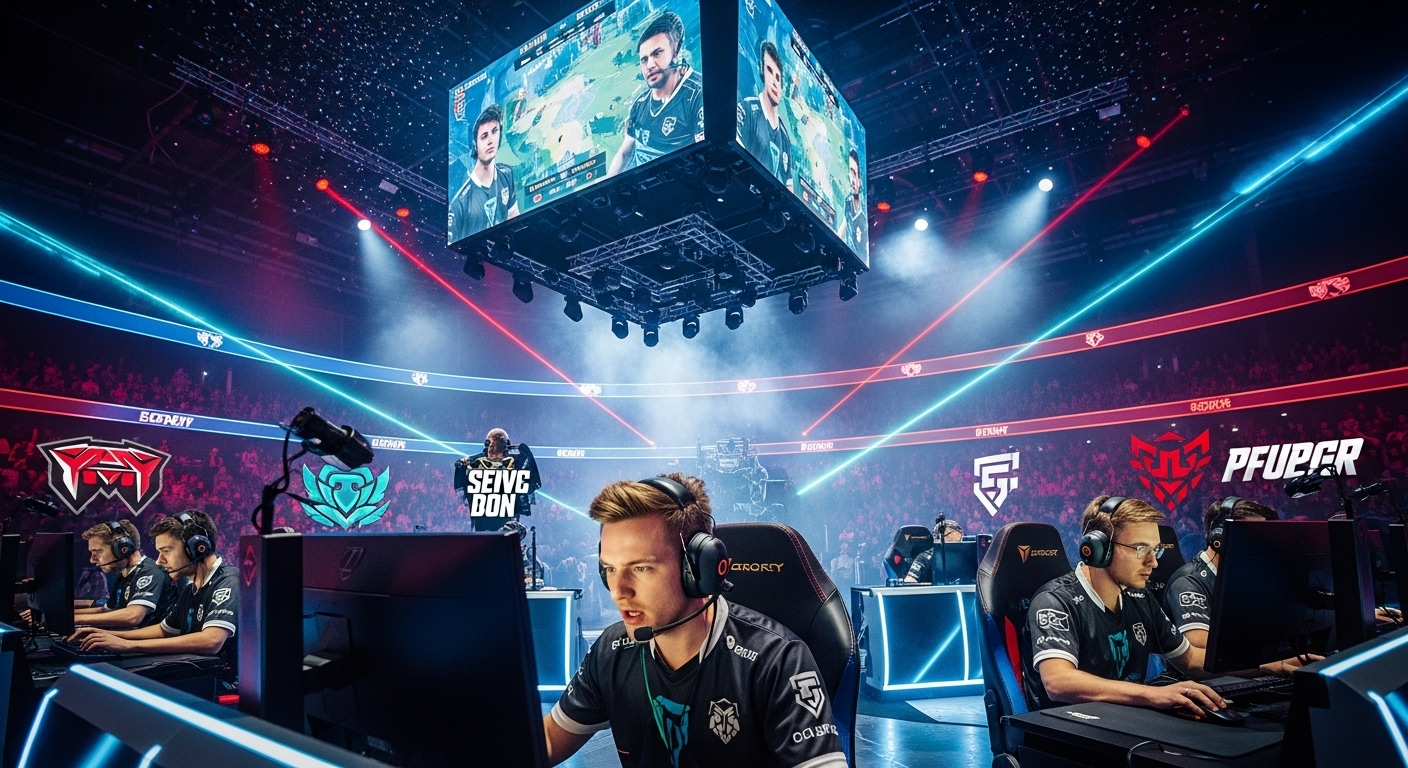
Esports: The Digital Arena Redefining Competitive Entertainment
Introduction
In recent years, esports has evolved from a niche hobby into a global entertainment powerhouse, drawing millions of viewers and participants across the globe. What was once considered a pastime for a select group of gamers has now become a multi-billion-dollar industry. Professional players, large-scale tournaments, sponsorship deals, and an ever-growing fanbase make esports a major player in the world of entertainment. Unlike traditional sports, where physical prowess is the main driver of success, esports showcases mental agility, strategic thinking, and digital prowess. This blog will explore the rapid rise of esports, its cultural significance, the business behind it, and where this exciting digital revolution is headed.
The Evolution of Esports: From Arcade Games to Global Tournaments
Esports, short for electronic sports, can trace its origins to the early days of arcade games and the internet. While video games themselves have existed for decades, the concept of competitive gaming started to take shape in the late 20th century. The late 1990s and early 2000s marked a turning point with games like “StarCraft” and “Quake,” where players began to form communities and engage in competitive play.
In the early stages, gaming tournaments were small and often hosted in local communities or LAN (local area network) parties. However, as internet speeds improved and digital connectivity grew, the world of esports expanded. In 2000, the formation of global events such as the World Cyber Games and the Cyberathlete Professional League helped solidify esports as a competitive and organized arena. What followed was a rapid growth trajectory fueled by games like “League of Legends,” “Dota 2,” and “Counter-Strike,” each becoming the centerpiece of global tournaments.
Today, esports is a highly organized industry, with multi-million-dollar prize pools, professional teams, sponsorships from major brands, and live-streamed events watched by millions of fans around the world. The transformation of esports into a global phenomenon is a testament to how digital technology can connect people through shared interests and competition.
The Global Reach of Esports
Esports is one of the fastest-growing sectors of the entertainment industry, and its reach is truly global. Unlike traditional sports that are often region-specific or language-dependent, esports transcends geographical and linguistic barriers. Games are played across borders, with players from every corner of the world competing in the same tournaments. This interconnectedness is perhaps one of the most exciting aspects of esports—it is not limited by nationality, language, or even age.
In countries like South Korea, esports is a well-established cultural institution, with televised tournaments and professional leagues having an enormous following. The United States, Europe, and China are also key hubs for esports, hosting major competitions such as “The International” (Dota 2), the “League of Legends World Championship,” and the “Overwatch League.” With the advent of streaming platforms like Twitch, YouTube Gaming, and Facebook Gaming, fans from all over the world can watch live events, interact with players, and engage with fellow viewers in real-time.
The global nature of esports has also led to the growth of esports tourism. Fans travel internationally to attend live events such as the League of Legends World Championship, the ESL One series, or the Overwatch League Finals. These events generate significant economic impact, with millions of dollars spent on tickets, travel, merchandise, and viewing parties.
The Most Popular Esports Titles: From Strategy to Action
The beauty of esports lies in the diversity of games that have evolved into competitive platforms. While some games require strategic thinking and complex decision-making, others are based on reflexes, teamwork, and fast-paced action. Below are some of the most popular esports titles:
- MOBA Games (Multiplayer Online Battle Arenas)
Games like “League of Legends” and “Dota 2” are pillars of competitive gaming, with millions of players worldwide. These games typically feature two teams of five players, each controlling a unique character with distinct abilities. The objective is to destroy the enemy team’s base while defending your own. The strategy and team coordination required to win make these games highly complex and thrilling to watch. - First-Person Shooters (FPS)
FPS games like “Counter-Strike: Global Offensive” (CS:GO), “Overwatch,” and “Call of Duty” have long been a staple of competitive gaming. These games test players’ shooting accuracy, reflexes, and tactical awareness. FPS esports often feature intense, fast-paced gameplay, where teams or individuals compete in objective-based or deathmatch-style modes. - Battle Royale
The battle royale genre, made famous by games like “Fortnite” and “PUBG,” has taken esports by storm in recent years. These games feature a last-man-standing format, where players fight in an ever-shrinking play area until only one player or team remains. The unpredictability and excitement of these games have made them a hit with both casual and competitive gamers alike. - Real-Time Strategy (RTS)
Games like “StarCraft II” and “Warcraft III” remain cornerstones of esports despite being less mainstream than other genres. RTS games require players to manage resources, build armies, and make strategic decisions in real-time. These games are known for their high skill ceilings and are often considered one of the most mentally demanding types of competitive gaming. - Fighting Games
Fighting games such as “Street Fighter,” “Super Smash Bros.,” and “Tekken” have long had a competitive scene, with tournaments held worldwide. These games are often 1v1 combat, where players use a combination of skill, timing, and knowledge of their character’s moves to outplay their opponent. Competitive fighting games are known for their intense, high-skill level matches and loyal fanbases.
Each of these genres attracts a different type of player and fan, contributing to the diversity of the esports ecosystem. As the esports industry grows, more games are entering the competitive scene, allowing for a wider variety of experiences and competitions.
Esports and the Business of Competition
Esports is not only a form of entertainment; it has also become a multi-billion-dollar business. Sponsorship deals, advertising, ticket sales, and media rights generate significant revenue, with brands eager to invest in this booming market. Esports is unique in that it combines the reach and popularity of traditional sports with the digital nature of online gaming, creating opportunities for advertisers to reach younger, tech-savvy audiences.
The primary revenue streams for esports include:
- Sponsorships: Major brands such as Coca-Cola, Intel, and Red Bull have become key sponsors of esports events and teams. Sponsorship deals often include advertising, product placement, and cross-promotion with gaming streamers.
- Media Rights: Platforms like Twitch and YouTube Gaming pay esports organizations for broadcasting rights, enabling fans to watch tournaments live online. Traditional television networks have also begun to show esports events, further expanding the audience.
- Ticket Sales and Merchandise: Large-scale esports tournaments sell tickets for live events, while esports teams generate income from merchandise sales, including jerseys, accessories, and exclusive content.
- Prize Money: Professional esports players earn substantial amounts from tournament prize pools. Top-tier competitions, such as “The International” for Dota 2, offer multi-million-dollar prize pools, with individual players earning hundreds of thousands of dollars in winnings.
The business side of esports has led to the professionalization of the industry, with players, coaches, analysts, and event organizers now working full-time in the esports ecosystem. It’s not uncommon for top players to earn six-figure salaries through prize money, sponsorships, and streaming revenue.
Esports and the Cultural Shift: From Gaming to Mainstream Entertainment
What sets esports apart from traditional sports is its digital foundation. The gaming community has long been seen as a subculture, but with the rise of esports, gaming has moved into the mainstream. Esports athletes are now viewed in the same light as traditional sports figures. High-profile gamers have millions of followers on platforms like Twitch and YouTube, where they broadcast their gameplay and interact with fans. The growing recognition of esports players as legitimate celebrities has made gaming a viable career path for many.
Esports has also sparked a shift in entertainment consumption. Younger generations are turning to streaming platforms to watch live gaming competitions, bypassing traditional television and sports broadcasting. This has prompted major media companies to invest in esports content, ensuring its place in the future of entertainment.
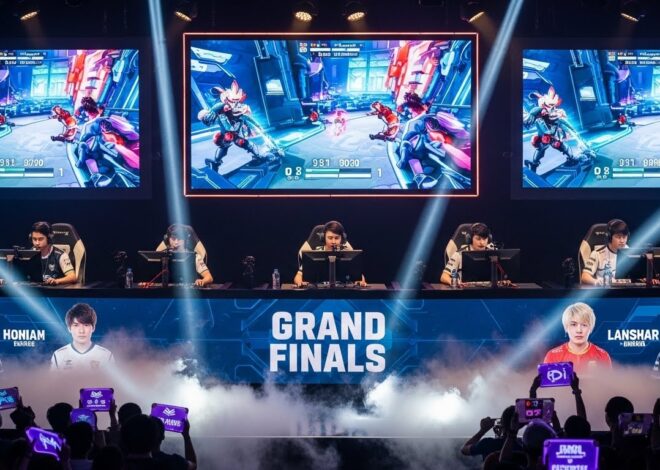
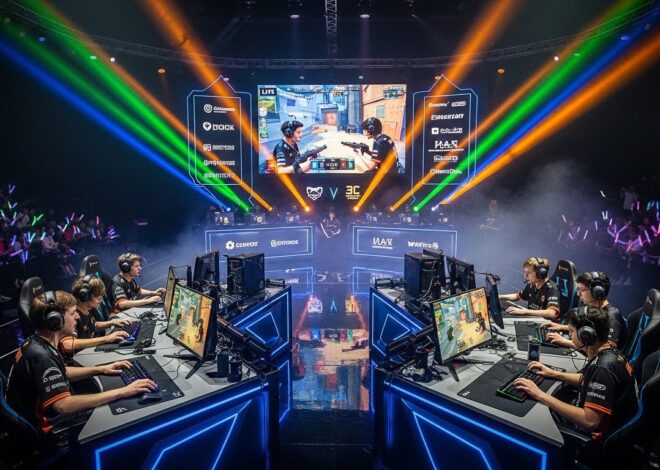
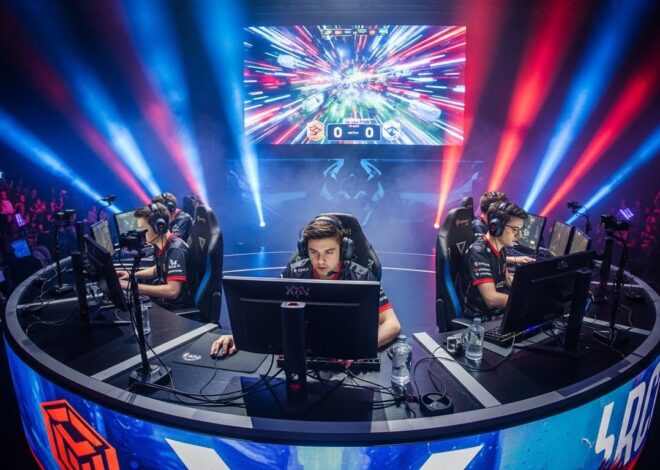
In addition to mainstream media coverage, esports has found its way into popular culture. References to esports can be found in movies, TV shows, and online platforms, further legitimizing its status as an integral part of modern entertainment. Moreover, esports tournaments are now being held in massive arenas, similar to those used for traditional sports, reinforcing the idea that esports is a serious and highly respected form of competition.
The Future of Esports: What Lies Ahead?
Esports is still in its infancy, with much potential for growth and development. As more companies, investors, and fans continue to engage with the scene, we can expect to see new opportunities emerge. The future of esports will likely involve:
- Increased Integration of Technology: Advancements in virtual reality (VR) and augmented reality (AR) could revolutionize the way we experience esports. These technologies offer more immersive experiences for both players and fans, making esports even more engaging and interactive.
- Mobile Esports: The rise of mobile gaming has made esports accessible to an even larger audience. Games like “PUBG Mobile” and “Arena of Valor” have introduced competitive gaming to the mobile platform, and tournaments centered around these games are becoming increasingly popular.
- Mainstream Recognition: As esports continues to grow, we may see more traditional sports teams and media outlets embrace esports, with potential collaborations, cross-promotions, and hybrid competitions.
- Inclusivity and Diversity: Esports has made significant strides toward