
Esports: The Digital Revolution of Competitive Gaming
Introduction to Esports
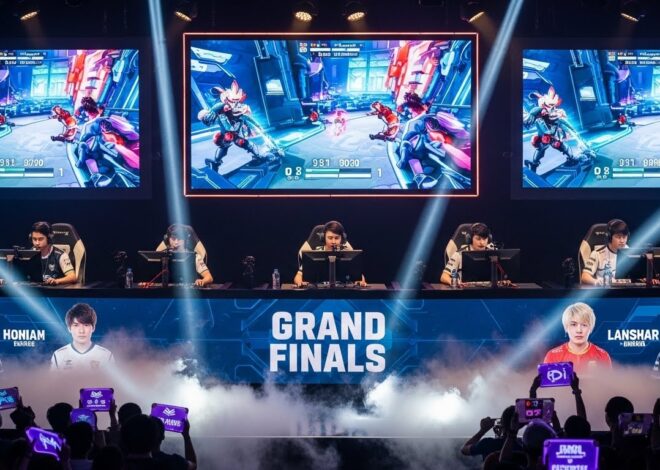
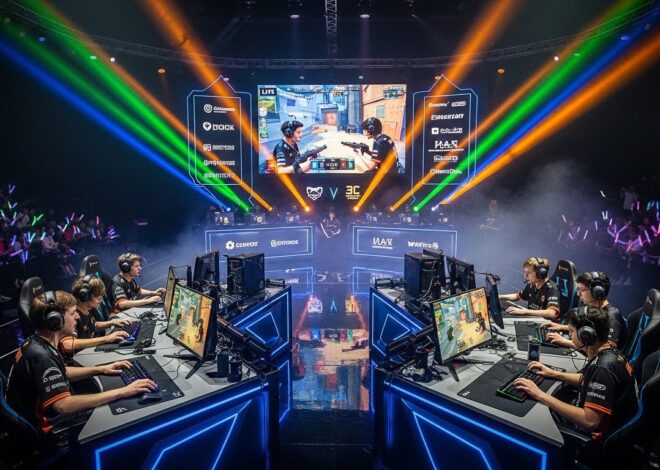
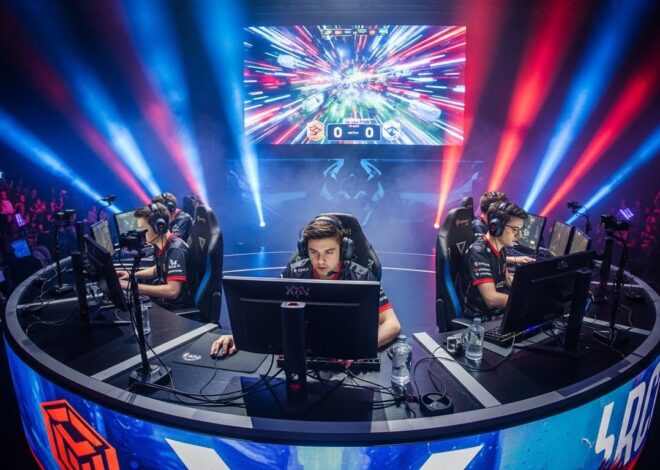
Esports, short for electronic sports, refers to organized competitive video gaming where individuals or teams face off against one another in popular games such as League of Legends, Dota 2, Counter-Strike, Valorant, Fortnite, and many more. What was once considered a niche pastime confined to basements and small LAN gatherings has evolved into a billion-dollar global industry. Esports today draws millions of viewers, professional players, and huge sponsorship deals, rivaling even traditional sports in terms of audience and engagement. It has transformed gaming from a simple recreational activity into a professional, disciplined, and highly lucrative career path.
The journey of esports is not a story of overnight success; it is one of gradual growth, innovation, and recognition. From the first pixelated tournaments in the 1970s to massive global championships with million-dollar prize pools, esports has developed into a powerful symbol of modern digital culture.
The Origins of Esports
To understand esports in its current form, it is essential to trace its roots. The earliest known video game competition took place in 1972 at Stanford University, where students played Spacewar. The event may seem small by today’s standards, but it marked the beginning of something that would later explode into a worldwide phenomenon. In the 1980s, arcade gaming brought competitive gaming to the public with titles like Pac-Man, Donkey Kong, and Street Fighter.
The 1990s brought significant technological improvements and the rise of the internet, which changed everything. LAN parties and early online platforms allowed players to compete across distances. Games like Quake, StarCraft, and Counter-Strike became the first esports titles to develop communities around competition. South Korea, in particular, played a pivotal role in shaping the modern esports landscape. With government support and widespread broadband access, esports quickly became a national sensation there, with professional players, live broadcasts, and packed stadiums.
The Growth of Professional Esports
By the 2000s, esports began to professionalize. Leagues, teams, sponsors, and organizations were formed to manage the rising demand. Events like the World Cyber Games and Electronic Sports World Cup became annual milestones for gamers. Streaming services and video-sharing platforms gave esports a new audience, allowing millions of fans to watch their favorite players from anywhere in the world.
What truly catapulted esports into mainstream popularity was accessibility. Unlike many traditional sports, the barrier to entry for esports is relatively low. All one needs is a capable computer or console and a stable internet connection. This accessibility, coupled with the rise of free-to-play games and online tournaments, has allowed players from every part of the world to compete on a global stage.
The evolution of esports teams and organizations also helped the industry grow. Players now have managers, coaches, nutritionists, and training schedules, just like athletes in conventional sports. The structure is highly organized, emphasizing strategy, teamwork, mental resilience, and mechanical skill.
Popular Esports Titles
Several video games have become synonymous with the esports scene. Each of them has cultivated its unique audience, gameplay style, and competitive ecosystem.
League of Legends: Developed by Riot Games, this multiplayer online battle arena (MOBA) title has one of the largest esports followings in the world. The annual League of Legends World Championship attracts millions of viewers and features top teams from every region.
Dota 2: Another MOBA giant, Dota 2 is known for its complexity, strategy, and massive prize pools. The International, its flagship tournament, is one of the most lucrative events in all of esports.
Counter-Strike: Global Offensive: A tactical first-person shooter that emphasizes teamwork, precision, and strategy. CS:GO’s competitive scene has been active for over two decades and continues to grow through constant updates and tournaments.
Valorant: A newer title combining elements of hero shooters and tactical FPS gameplay, Valorant has quickly established itself as one of the most-watched competitive games globally.
Fortnite: Known for its unique battle royale format and crossover events, Fortnite has redefined the boundaries of competitive gaming, particularly with younger audiences.
Overwatch, Call of Duty, Rocket League, and Apex Legends also play essential roles in the esports ecosystem, offering diverse genres and fan experiences.
The Role of Streaming and Media
Streaming platforms like Twitch, YouTube Gaming, and Facebook Gaming have completely changed how people engage with esports. Players and teams no longer depend solely on official broadcasts. Anyone can stream their gameplay, building communities around their personal brands. Viewers can interact in real time, making the experience highly social and engaging.
Streaming also democratized content creation, allowing fans to follow not just professional matches but also training sessions, casual games, and player interactions. This close connection between players and fans is one of the main reasons esports has grown so rapidly. Unlike traditional sports stars who are often distant figures, esports athletes are approachable through their online presence, and this connection strengthens community loyalty.
Economic Impact and Industry Growth
The economic growth of esports is one of the most impressive aspects of its evolution. From small local competitions to international events with multi-million-dollar prize pools, the financial structure of esports has expanded significantly. Sponsorships, advertisements, team merchandise, streaming revenue, ticket sales, and digital goods all contribute to the economy.
Large brands, once skeptical of gaming’s professional viability, now invest heavily in esports. Tech companies, beverage brands, and even car manufacturers see value in connecting with a young, tech-savvy audience. Esports arenas, gaming cafes, and training facilities have been developed in major cities worldwide, showcasing how physical infrastructure now supports this digital phenomenon.
Educational institutions have also joined the movement. Many universities offer scholarships for esports athletes and degrees related to game design, management, and digital entertainment. This academic integration legitimizes esports as a viable and respected career path.
Esports Athletes: The New Digital Professionals
The term “gamer” no longer refers to a hobbyist spending free time on a console. In the esports world, professional players are athletes in every sense. They dedicate countless hours to training, strategy development, and maintaining mental and physical fitness. Many follow strict routines, balancing gameplay with exercise and diet plans to ensure peak performance.
The psychological demands are intense. Reaction times, decision-making, communication, and composure under pressure all determine success in esports. Mental health has become a critical topic, with organizations ensuring players have access to counseling and rest periods to prevent burnout.
Esports careers extend beyond players. Coaches, analysts, commentators, event organizers, and production teams all contribute to the ecosystem. It is a collaborative field that combines technology, creativity, and competition.
Global Reach and Cultural Influence
Esports transcends language and geography. Players from Asia, Europe, North America, and beyond all compete on equal ground. Tournaments are broadcast with multilingual commentary, and fans unite through shared passion rather than physical borders.
This global nature has also influenced pop culture. Esports athletes are treated as celebrities, with huge followings on social media. They endorse products, appear in advertisements, and collaborate with musicians and artists. The blend of gaming and entertainment is seamless, shaping modern youth culture.
Furthermore, esports has impacted fashion, music, and lifestyle. Esports jerseys, gaming accessories, and themed apparel are now mainstream. Collaborations between esports organizations and fashion brands highlight how digital identity has become part of personal expression.
Challenges Facing Esports
Despite its rapid growth, esports faces several challenges that need to be addressed to ensure long-term sustainability. One significant issue is player burnout. The intense competition, long practice hours, and frequent travel schedules can take a toll on mental health. Organizations are now investing more in wellness programs to support players.
Another challenge is maintaining integrity. With money and fame involved, esports has faced problems like cheating, match-fixing, and betting controversies. However, strict regulations, anti-cheat systems, and governing bodies are being implemented to combat these issues.
Gender inequality also remains a concern. Although many talented female players and teams exist, they often receive less recognition and support compared to their male counterparts. The industry is working to create more inclusive spaces to encourage diversity and equal opportunity.
Lastly, esports must navigate legal and organizational complexities. The lack of a single global governing body makes standardization difficult. Different games have different publishers, each with their own rules and tournament structures, leading to fragmentation within the scene.
The Future of Esports
Looking ahead, esports is poised for even greater expansion. As technology advances, virtual reality (VR), augmented reality (AR), and artificial intelligence (AI) are likely to revolutionize the gaming experience. These technologies could bring spectators even closer to the action, allowing them to experience matches as if they were inside the game.
Esports is also expected to be featured more prominently in major international events. The inclusion of competitive gaming in multi-sport events, such as the Asian Games, indicates growing acceptance. Discussions about esports being part of future Olympic programs continue, highlighting its global significance.
Educational and youth programs will also play a critical role in the future. Encouraging responsible gaming, teamwork, and digital literacy will ensure that esports continues to develop as a positive and respected discipline.
The Social Aspect of Esports
Beyond competition, esports has fostered a strong sense of community. It connects people from different backgrounds, encouraging friendships and collaborations. Online gaming communities often provide belonging for individuals who might feel isolated in traditional social settings.
Esports also promotes valuable life skills. Team-based games teach communication, coordination, and leadership. Strategic titles enhance problem-solving and decision-making abilities. For many, esports is not just entertainment but an educational and developmental platform.
Moreover, esports events create opportunities for local economies. Major tournaments attract tourism, business partnerships, and employment in event management, hospitality, and broadcasting. Cities that host large esports events often experience economic boosts similar to those from traditional sporting events.
The Cultural Legitimacy of Esports
For years, critics questioned whether gaming could truly be considered a sport. However, the sheer scale, organization, and professionalism of esports have silenced many skeptics. Today, esports is recognized as a legitimate form of competition requiring discipline, skill, and dedication.
Traditional sports organizations have even begun investing in esports teams. Football clubs, basketball franchises, and other athletic associations have launched their digital divisions, seeing esports as an extension of their brand and a way to reach younger audiences.
This merging of traditional and digital sports marks a cultural shift. It represents a new era where physical and virtual competition coexist and complement each other.
Conclusion: The Power and Promise of Esports
Esports has evolved far beyond a subculture of passionate gamers. It has become a global movement that embodies innovation, community, and progress. With millions of fans, professional players, and a thriving ecosystem of creators and organizations, esports stands as one of the most influential phenomena of the 21st century.
The journey from a few students playing on primitive computers to arenas filled with thousands of spectators demonstrates how far gaming has come. It bridges generations, unites cultures, and represents the limitless potential of technology and human creativity.
As the line between the digital and physical world continues to blur, esports will remain a cornerstone of global entertainment. Its future is not just about better graphics or larger prize pools, but about the continued growth of a connected, creative, and competitive global community. Esports is more than just gaming—it is the modern expression of teamwork, passion, and the unending pursuit of excellence.
(Approx. 2,250 words)