Esports: The Digital Sports Revolution Changing the Gaming World
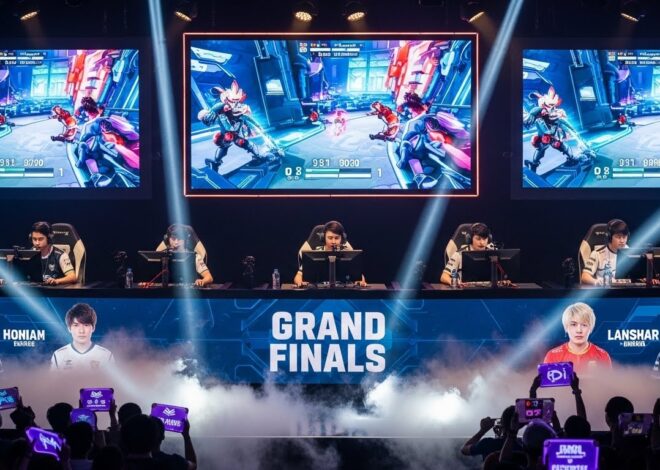
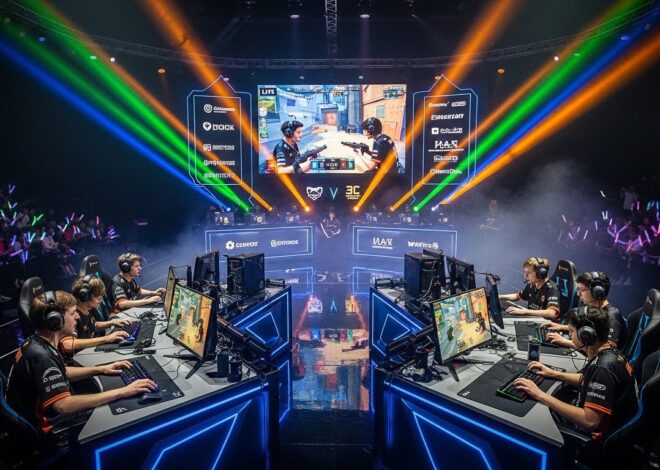
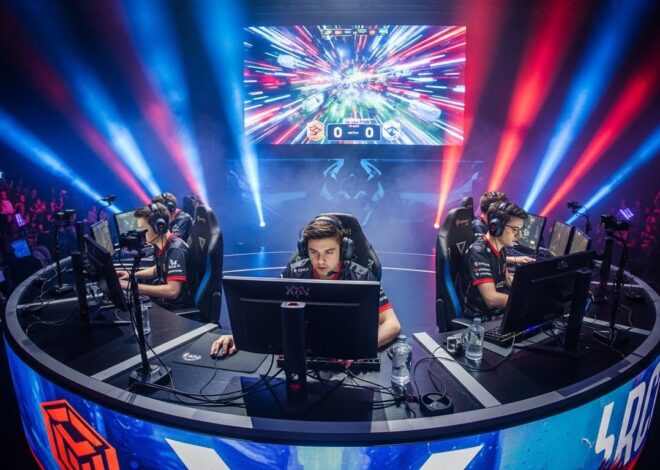
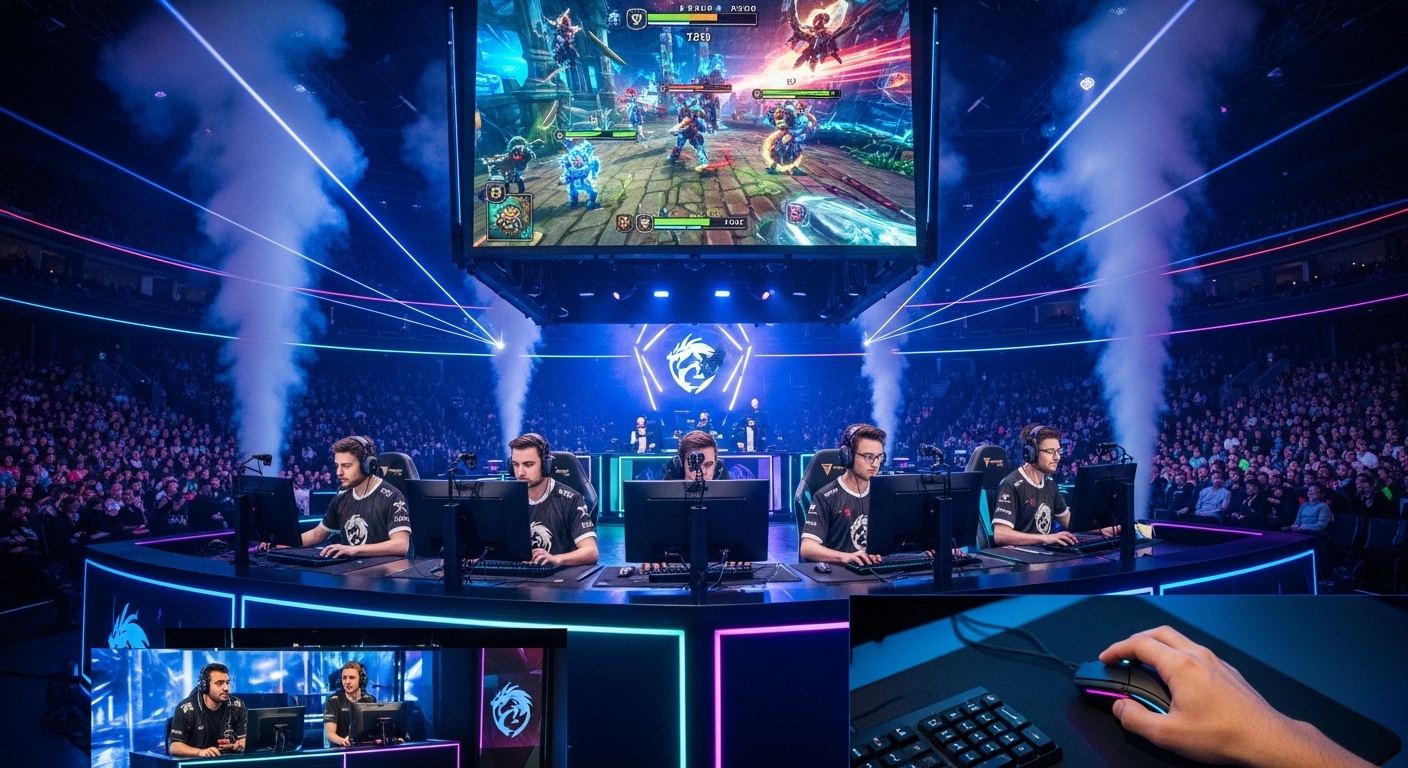
The world of competitive gaming, known as esports, has transformed from a niche hobby to a mainstream phenomenon in just a few short years. Once relegated to basement tournaments and small online communities, esports now draws millions of fans globally, with top players earning multi-million-dollar salaries and stadiums filled with spectators. The rise of esports has redefined the boundaries of what sports can be, merging digital worlds with traditional forms of competition. In this blog post, we will explore the rise of esports, its cultural significance, and its future trajectory.
What is Esports?
At its core, esports refers to organized video game competitions, often involving professional players or teams competing at the highest level. These competitions are played in multiplayer formats, featuring games like League of Legends, Dota 2, Counter-Strike, Fortnite, and Overwatch, among many others. While esports is often associated with gaming, it operates in much the same way as traditional sports, with leagues, tournaments, and professional teams. Esports players undergo extensive training, develop complex strategies, and practice for hours, much like athletes in traditional sports.
The Rapid Rise of Esports
Esports has experienced a meteoric rise over the past decade. The industry is expected to surpass $1 billion in revenue by the mid-2020s, a significant leap from its humble beginnings. This rapid growth can be attributed to a combination of factors:
- Increased Accessibility: The accessibility of esports, through online multiplayer games and streaming platforms, has played a critical role in its rise. Players can join tournaments from anywhere in the world, and fans can watch their favorite games live through platforms like Twitch, YouTube, and Facebook Gaming. This global reach has been key to turning esports into a global entertainment phenomenon.
- Corporate Sponsorships: Big brands have recognized the potential of esports, pouring millions of dollars into sponsorships, advertising, and partnerships with major esports teams and events. Companies like Intel, Red Bull, Coca-Cola, and Nissan are just a few examples of brands that have invested heavily in the esports ecosystem. These sponsorships provide crucial financial support and help bring esports into the mainstream.
- Streaming and Media Coverage: As traditional sports networks expand into the digital realm, esports has benefited greatly from increased media exposure. Events like The International (Dota 2) and the League of Legends World Championship now draw in audiences rivaling the viewership of traditional sports finals. Live streams, commentary, and analysis provide fans with hours of entertainment and engagement with their favorite players and teams.
Esports as a Profession
Esports has become a legitimate career choice for many, with professional players earning substantial salaries from tournament winnings, sponsorships, and streaming revenue. The average esports player dedicates hours of training, studying strategies, and competing in various tournaments to hone their skills.
- Competitive Players: Just like athletes in traditional sports, esports players are known for their intense training regimens. They practice specific strategies, refine in-game mechanics, and work with coaches to maximize their performance. The competition is fierce, and only the top players can make a living from esports. Elite players often sign contracts with esports organizations, receive endorsement deals, and compete in international tournaments with multi-million-dollar prize pools.
- Coaches and Analysts: Behind every successful esports team is a team of coaches and analysts who guide players in developing winning strategies. Coaches help fine-tune gameplay, improve communication among team members, and analyze opponent strategies to give their players a competitive edge. As esports becomes more professionalized, the role of coaching staff has become as essential as that of the players themselves.
- Casters and Content Creators: Another major facet of the esports industry is the rise of casters—individuals who commentate on the games and events, much like traditional sports announcers. They provide play-by-play commentary, analyze team strategies, and create excitement for fans. Additionally, many esports players and analysts have ventured into streaming on platforms like Twitch and YouTube, building loyal fanbases and generating significant revenue through subscriptions, donations, and brand deals.
The Esports Audience: A Global Community
One of the most exciting aspects of esports is the diverse and passionate audience it has cultivated. Unlike traditional sports, where geographical barriers often limit audience reach, esports is truly global. Gamers, fans, and enthusiasts from every corner of the world gather online to share their passion for competitive gaming.
- Online Engagement: Fans of esports can connect and interact with players, teams, and other fans through live streams, social media, and dedicated gaming platforms. The sense of community is powerful, with fans tuning in to watch their favorite teams compete and discussing strategies, game updates, and results in real-time.
- Diverse Demographics: Esports also attracts a younger, tech-savvy audience, with the majority of its viewers between the ages of 18 and 34. This demographic is highly engaged in digital platforms and gaming culture, making esports an attractive option for advertisers and brands targeting this group. Moreover, esports attracts a wide variety of players, including individuals from different cultures, genders, and backgrounds, fostering inclusivity and diversity within the gaming community.
- Spectator Experiences: Unlike traditional sports, where viewers attend games in stadiums, esports fans have the opportunity to watch from the comfort of their homes. The rise of live streaming has allowed esports to break the barriers of physical attendance, offering a front-row experience to fans anywhere in the world. Virtual reality and augmented reality are also emerging trends that may change the way esports events are experienced in the future.
The Impact of Esports on Traditional Sports
Esports’ rise has not only transformed the gaming world but also had a significant influence on traditional sports. As esports becomes more professional, it has adopted many practices and structures seen in traditional sports.
- Sponsorship and Media Coverage: Esports has benefited greatly from the same sponsorship models that have made traditional sports successful. Major companies, particularly those in tech, automotive, and consumer goods, are now investing heavily in esports. Furthermore, traditional sports networks have begun to broadcast esports events, further solidifying its legitimacy in the entertainment world.
- Crossover of Athletes: In some cases, traditional sports and esports have crossed paths. For example, some professional athletes, like Shaquille O’Neal and Michael Jordan, have invested in esports teams, recognizing the growing potential of the industry. The merger of both worlds indicates a future where esports and traditional sports may share audiences and even hybrid events.
- Esports in Schools and Colleges: As the acceptance of esports grows, many schools and universities are beginning to recognize competitive gaming as a legitimate extracurricular activity. Several institutions now offer esports scholarships, and some have even established competitive gaming teams to compete in local and national leagues. Esports is becoming integrated into the educational system, much like traditional sports programs.
The Future of Esports: What Lies Ahead?
As esports continues to evolve, the future holds many exciting possibilities. The industry is poised for continued growth and innovation, with emerging technologies and evolving fan engagement methods paving the way for new opportunities.
- Technological Advancements: Virtual and augmented reality are likely to play an increasingly important role in the future of esports. These technologies have the potential to revolutionize how players interact with games and how fans experience tournaments. Imagine watching a live esports match where you can virtually step into the arena or feel the thrill of being on the sidelines, interacting with the action in ways that were once impossible.
- Mainstream Acceptance: As more countries embrace esports, it is possible that competitive gaming will eventually be recognized as an Olympic sport. While the idea of esports in the Olympics has been debated, the growing acceptance of esports in many parts of the world suggests that it may only be a matter of time before it takes its place alongside traditional athletic competitions.
- Esports in the Metaverse: As the concept of the metaverse—an immersive digital universe—gains traction, esports may expand into virtual worlds, offering players the opportunity to compete in fully immersive environments. This could lead to a new era of competitive gaming that blends physical and virtual elements, taking the excitement of esports to a whole new level.
Conclusion: Esports – The Future of Entertainment
Esports has come a long way since its humble beginnings, evolving into a massive, professional industry with millions of fans and players around the world. With the growth of streaming platforms, sponsorships, and the increasing recognition of esports as a legitimate career path, it’s clear that esports is here to stay.
The future of esports holds even more exciting possibilities, as new technologies like virtual reality and the metaverse begin to shape the way we experience competitive gaming. Whether you’re a fan, player, or industry insider, one thing is clear: esports has revolutionized the world of gaming and entertainment, and it’s only going to continue growing. The digital age of sports is here, and esports is leading the way.