Esports: The Rise of Competitive Gaming as a Global Phenomenon
Introduction: The New Age of Sports
Esports, or electronic sports, has evolved from niche gaming communities into a global phenomenon that rivals traditional sports in viewership, popularity, and influence. Competitive gaming is no longer just about fun; it is now a multi-billion-dollar industry with professional players, teams, sponsors, and worldwide tournaments. What once began as casual players competing for bragging rights has grown into a structured, professional, and highly organized domain. The rise of esports is a testament to how technology, creativity, and passion can redefine competition. Today, esports is a cultural force, shaping entertainment, career paths, and even social interaction for millions of people around the world.
The Origins of Esports
The roots of competitive gaming can be traced back to the early 1970s, when video games like “Pong” and “Space Invaders” first gained popularity. Early competitions were often informal, taking place in arcades or small gaming communities. The 1980s and 1990s saw the emergence of organized tournaments for games such as “Street Fighter” and “StarCraft,” which laid the groundwork for modern esports. These early competitions demonstrated that video games could be more than just casual entertainment—they could challenge strategy, reflexes, and teamwork on a competitive level. With the rise of the internet, players from around the world could finally compete with each other, creating the first truly global esports community.
The Growth of Professional Esports
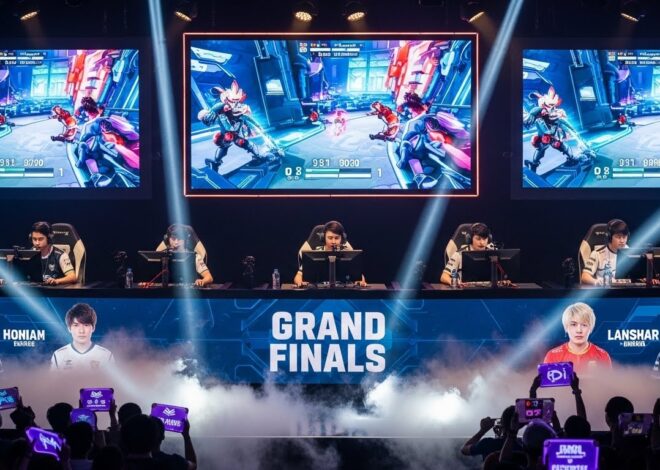
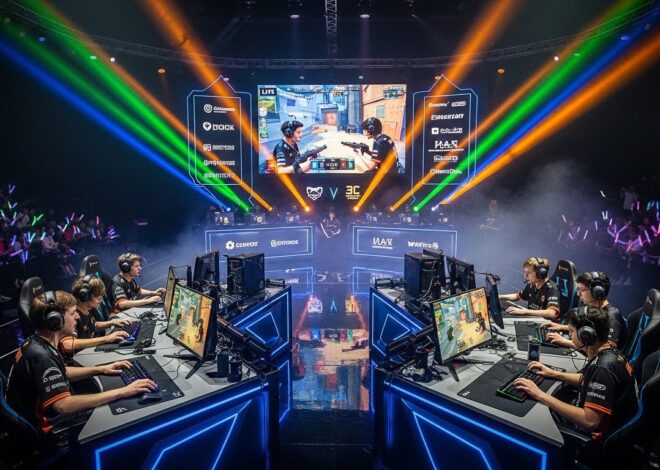
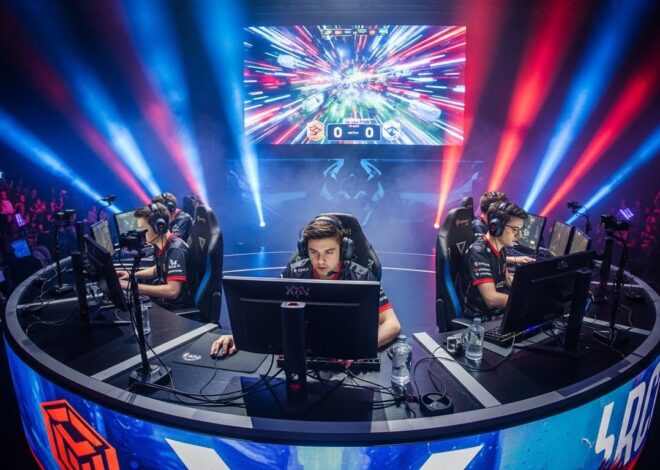
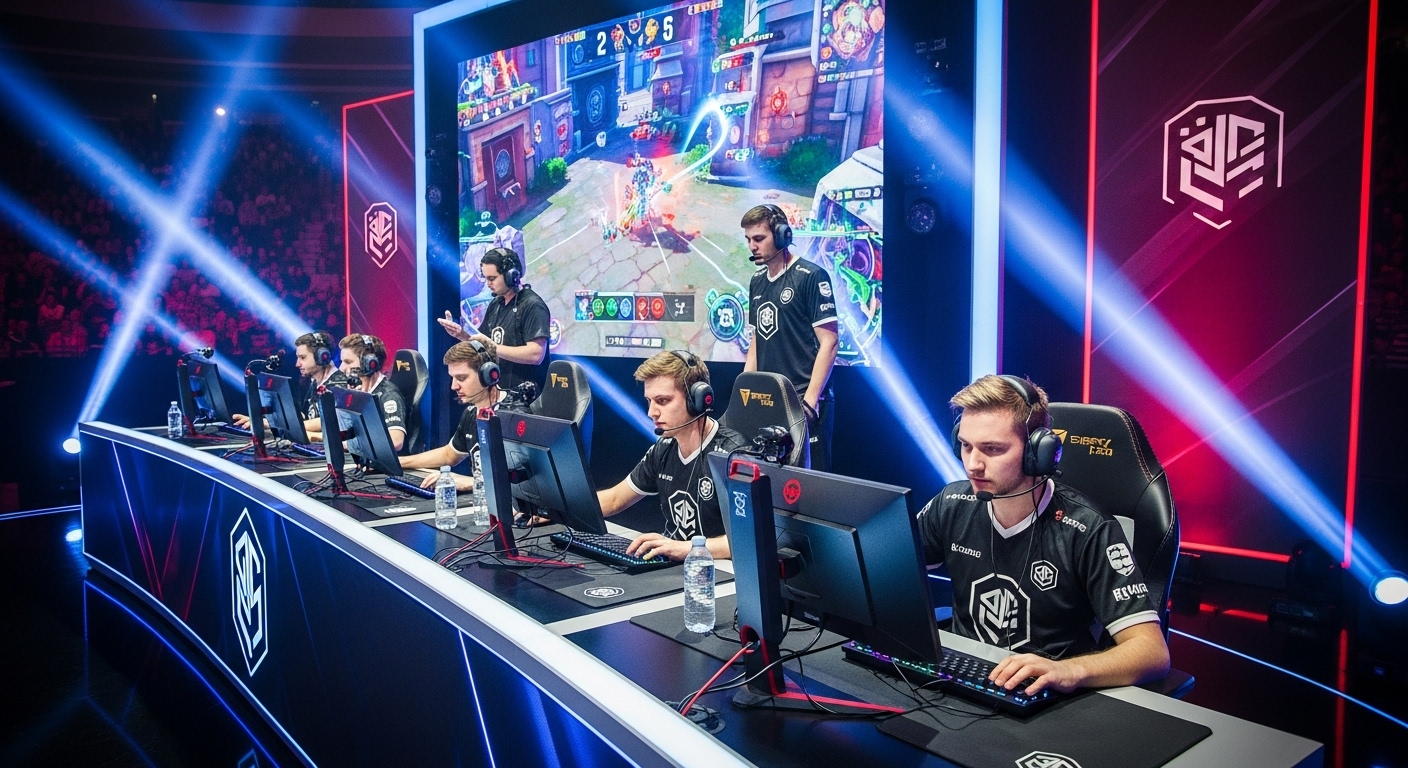
Professional esports began gaining mainstream attention in the 2000s with the establishment of leagues, tournaments, and prize pools. Games like “Counter-Strike,” “League of Legends,” and “Dota 2” became household names, drawing huge audiences both in arenas and online. Professional esports players became celebrities, signing contracts with teams, earning salaries, and representing global brands. The structure of esports organizations mirrors that of traditional sports, with training schedules, coaching staff, analysts, and sponsorship deals. The success of professional esports demonstrates that gaming is not just a hobby—it is a legitimate career path. Many players now travel internationally for competitions, appearing in arenas filled with thousands of cheering fans, similar to traditional sports events.
The Role of Streaming and Digital Platforms
The rise of streaming platforms has played a critical role in the popularity of esports. Platforms like Twitch and YouTube Gaming allow players to broadcast matches to millions of viewers in real time. This accessibility has created a global audience and transformed esports into a spectator sport. Fans can watch their favorite teams, follow tournaments, and even interact with players during live streams. Streaming has also enabled smaller, independent players to gain recognition and build personal brands. The integration of streaming with social media allows esports communities to thrive, fostering collaboration, mentorship, and competition. Without streaming, esports would likely remain a niche hobby, but with it, competitive gaming has become a cultural and economic powerhouse.
Popular Esports Titles
Several games have become synonymous with esports due to their competitive depth and global popularity. “League of Legends,” “Dota 2,” and “Counter-Strike: Global Offensive” have established massive professional scenes, attracting millions of players and viewers. “Fortnite,” “Call of Duty,” and “Valorant” have also joined the competitive landscape, bringing innovation and new fan bases. Each game requires unique skills, strategies, and teamwork, making them ideal for competition. While some games emphasize fast reflexes and precision, others focus on strategy, coordination, and long-term planning. This diversity in gameplay allows esports to cater to a wide audience and develop specialized player roles. The variety of esports titles ensures that there is something for everyone, whether players enjoy action-packed shooters, strategic battle arenas, or team-based objectives.
Training and Preparation in Esports
Professional esports players dedicate significant time and effort to training, much like traditional athletes. Daily practice sessions can last several hours and often involve individual skill development, team coordination exercises, and strategy analysis. Many players work with coaches to identify weaknesses, refine gameplay, and prepare for opponents. Mental preparation is equally important, as competitive gaming requires focus, discipline, and resilience. Nutrition, physical fitness, and sleep are increasingly recognized as essential elements of performance. The intensity of professional esports highlights that competitive gaming is not just about playing video games—it is about optimizing every aspect of a player’s life to achieve peak performance. This level of dedication underscores the legitimacy and seriousness of esports as a professional field.
Esports Tournaments and Global Events
One of the defining features of esports is the tournament scene, which ranges from local competitions to massive international events. Major tournaments, such as the “League of Legends World Championship” or “The International” for Dota 2, attract millions of viewers online and sell out arenas in major cities. Prize pools for these events can reach tens of millions of dollars, making esports one of the most lucrative competitive industries in the world. Tournaments are not only about winning; they provide entertainment, foster community, and inspire aspiring players. The professional structure and high stakes of these events elevate esports beyond casual gaming, demonstrating that competitive gaming has become a mainstream sport with global recognition.
The Economic Impact of Esports
The economic impact of esports is enormous and growing rapidly. Revenue comes from multiple sources, including sponsorships, advertising, merchandise, ticket sales, and media rights. Global brands increasingly invest in esports to reach younger, tech-savvy audiences. Teams operate as businesses, hiring players, coaches, and support staff while generating income through various channels. Gaming hardware companies, streaming platforms, and software developers also benefit from the esports ecosystem. The financial success of esports has created jobs, inspired startups, and contributed significantly to local and international economies. The industry’s growth demonstrates that esports is not just entertainment—it is a vital and sustainable economic sector with a strong future.
Esports and Education
Esports has begun making inroads into education, with schools and universities offering scholarships, esports teams, and programs focused on gaming careers. Institutions recognize that esports can develop skills such as teamwork, strategic thinking, communication, and digital literacy. Academic programs related to game design, event management, and broadcasting have also emerged to support the growing industry. By incorporating esports into education, students gain opportunities for personal growth, career preparation, and community involvement. This integration of esports into educational structures is helping to normalize competitive gaming and ensure it is seen as a legitimate and respected pursuit.
The Social and Cultural Impact of Esports
Esports is more than a competitive activity; it is a cultural movement. It creates communities where people with similar interests connect, regardless of geographical boundaries. Online forums, social media, and live streams allow players and fans to interact, share experiences, and celebrate achievements. Esports also challenges stereotypes about gamers by showcasing discipline, professionalism, and dedication. Fans develop loyalty to teams and players, creating shared identities and social bonds. The cultural influence of esports is evident in its fashion, music collaborations, and crossover into mainstream media. By connecting people worldwide, esports has become a powerful tool for social interaction and cultural exchange.
Challenges Facing the Esports Industry
Despite its rapid growth, esports faces challenges that must be addressed for sustainable success. Issues such as player burnout, health concerns, online harassment, and lack of standard regulations affect both players and audiences. The competitive nature of esports can create high-pressure environments, which may lead to mental health struggles. Additionally, the industry must navigate legal, ethical, and financial complexities as it continues to professionalize. Ensuring fair play, transparency, and inclusivity will be key to maintaining credibility and long-term growth. By addressing these challenges, esports can continue to thrive while providing safe, enjoyable, and equitable experiences for all participants.
The Future of Esports
The future of esports is bright and full of possibilities. As technology advances, new games, platforms, and experiences will emerge, attracting even more players and viewers. Virtual reality and augmented reality have the potential to revolutionize competitive gaming by creating immersive, interactive environments. Global connectivity will expand esports audiences, making competitions accessible to everyone with an internet connection. Esports may also gain recognition alongside traditional sports in international competitions, further legitimizing the industry. Ultimately, the future of esports will be shaped by innovation, community, and passion, ensuring that competitive gaming remains a dynamic and influential part of global culture.
Conclusion: Esports as a Modern Phenomenon
Esports represents a unique intersection of technology, competition, and entertainment. It has transformed gaming from a casual pastime into a professional, cultural, and economic powerhouse. With millions of fans, billions in revenue, and professional players achieving celebrity status, esports is no longer an alternative to traditional sports—it is a force to be reckoned with. Beyond its entertainment value, esports inspires teamwork, strategy, and global community building. It challenges perceptions, opens career opportunities, and reflects the evolving nature of modern technology and culture. As esports continues to grow, it reminds us that the digital world can offer real-world excitement, connection, and achievement. In the age of screens and online communities, esports is the ultimate celebration of human skill, creativity, and passion.