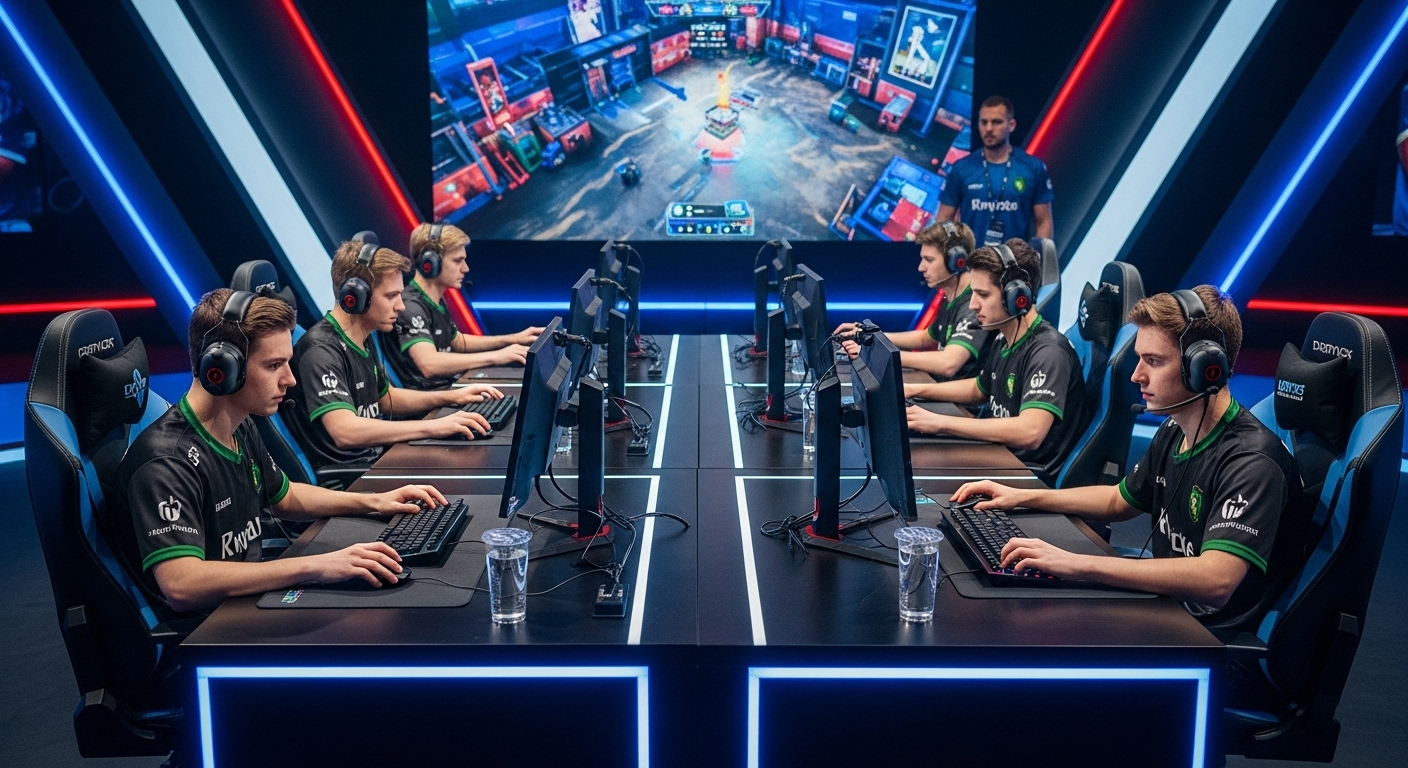
Esports Unleashed: How Competitive Gaming Became a Global Powerhouse
Introduction: The Digital Arena
Esports has rapidly transformed from a niche hobby into a global entertainment phenomenon. Once, competitive video gaming was confined to small gatherings of friends in living rooms or local arcades. Today, it fills stadiums, attracts millions of online viewers, and offers careers rivaling traditional sports in both fame and financial reward. Esports encompasses organized, competitive gaming in titles like League of Legends, Dota 2, Counter-Strike, Fortnite, and many more. Its explosive growth has created a vibrant ecosystem of professional players, teams, tournament organizers, and fans. Understanding this transformation requires exploring its history, cultural impact, and the challenges it faces in the modern era.
The Early Days of Competitive Gaming
The roots of esports trace back to the 1970s when simple arcade competitions and high-score challenges became popular. One of the earliest known gaming competitions occurred in 1972 at Stanford University for the game Spacewar, where students competed for magazine subscriptions as prizes. During the 1980s, arcade games such as Pac-Man and Donkey Kong became focal points for competitive gaming communities. Players vied for top scores, and these competitions were often featured in publications dedicated to the emerging gaming culture.
The 1990s saw the rise of home consoles and personal computers, giving birth to new competitive scenes. Games like Street Fighter, Quake, and StarCraft created communities where players could compete locally and, eventually, online. The spread of the internet enabled players to face opponents from around the globe, setting the stage for esports as we know it today.
The Role of the Internet in Esports Growth
The early 2000s marked a pivotal point in esports history. The availability of broadband internet and improved online gaming capabilities allowed competitive gaming to move beyond local communities. Online multiplayer games like Counter-Strike, Warcraft III, and StarCraft: Brood War became international phenomena. South Korea emerged as a global leader in esports during this period, with professional leagues, television broadcasts, and sponsorship deals turning gaming into a legitimate career path.
In Western countries, professional gaming organizations such as Major League Gaming and the Electronic Sports League provided structure for tournaments and leagues. These organizations standardized rules, offered significant prize pools, and helped professionalize the esports industry. The combination of international competition and media coverage expanded esports’ reach far beyond the gaming community.
The Era of Esports as Spectacle
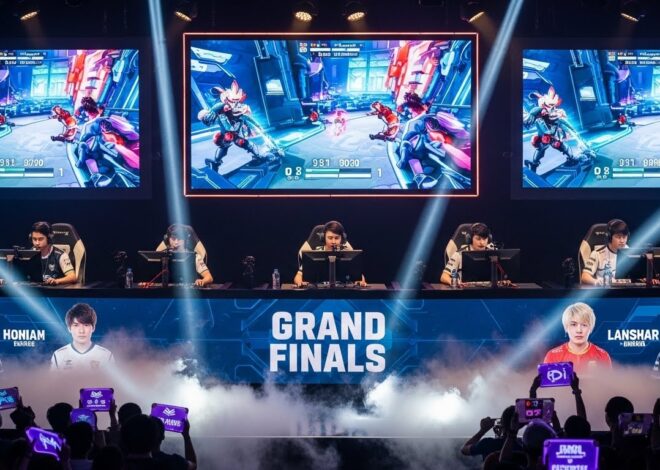
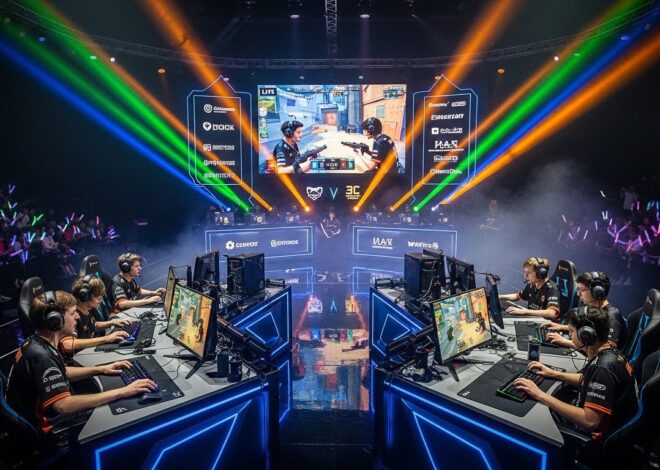
The 2010s ushered in the true era of esports as a global spectacle. Streaming platforms allowed players and tournaments to reach millions of viewers in real-time. Services such as Twitch revolutionized how fans interacted with esports, offering live broadcasts, chat features, and community-driven engagement. Fans no longer simply watched; they participated in events, celebrated victories, and formed online communities around their favorite games and players.
Game developers began designing titles specifically with esports in mind. League of Legends, Dota 2, Overwatch, and Fortnite were crafted to be visually appealing, competitive, and accessible for spectators. Tournament formats evolved to be more viewer-friendly, featuring live commentary, high-quality production, and strategic storytelling. Large-scale tournaments now rival traditional sporting events in both viewership and production value.
Prize money in esports soared during this period. For example, Dota 2’s The International became famous for its enormous community-funded prize pools, exceeding tens of millions of dollars. Players and teams gained sponsorships from global brands, transforming professional gaming into a lucrative career option.
Professional Players: The New Athletes
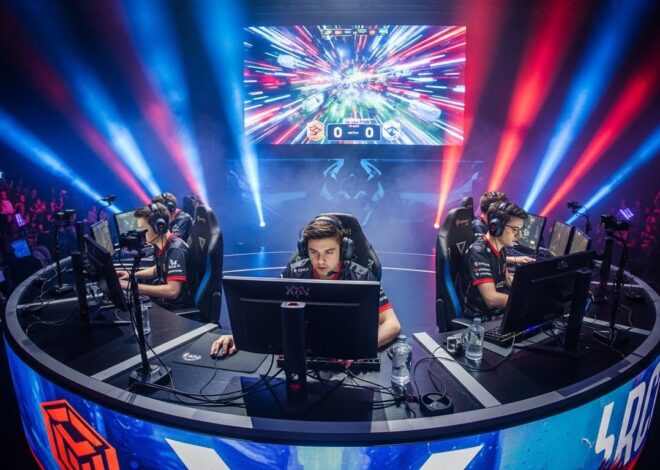
Modern esports players are not just gamers—they are professional athletes. Success in esports requires exceptional reflexes, precise hand-eye coordination, strategic thinking, and mental resilience. Many players train for hours each day, reviewing gameplay footage, practicing team strategies, and participating in coaching sessions.
Team-based games demand cooperation and communication. Players specialize in roles, and success often depends on seamless teamwork. Organizations hire coaches, analysts, and sports psychologists to support player performance, much like traditional sports teams. Top players achieve celebrity status, with millions of social media followers and endorsement deals. However, the career span of an esports athlete is often short, with many retiring in their early to mid-twenties due to the intense demands of competitive play.
The Fans and Gaming Culture
Esports fandom is a cornerstone of its growth. Fans are not passive observers—they actively engage with teams, players, and the gaming community. Online forums, streaming platforms, and social media allow fans to discuss strategies, celebrate victories, and interact with their favorite players. This interaction fosters a strong sense of community and belonging.
Beyond watching tournaments, fans often engage in related activities such as cosplay, content creation, and gaming conventions. Streaming and content creation have become integral parts of the esports ecosystem, allowing players and enthusiasts to showcase talent, entertain audiences, and teach gaming strategies. This culture has helped shift public perception, highlighting gaming as a form of creativity, collaboration, and competition.
Educational and Career Opportunities in Esports
The rapid growth of esports has created new educational and professional opportunities. Universities now offer esports scholarships and programs, allowing students to pursue studies in game design, marketing, event management, and broadcasting. Esports programs teach strategic thinking, teamwork, leadership, and digital literacy.
The industry also provides diverse career paths beyond competitive play. Professionals work as coaches, commentators, event organizers, content creators, and marketing specialists. Game developers and technology professionals are increasingly needed to design games, anti-cheat systems, and esports platforms. This growth has made esports a significant economic driver, providing employment and innovation opportunities worldwide.
Challenges Facing Esports
Despite its success, esports faces notable challenges. The industry’s rapid growth has raised concerns about player health, financial stability, and regulation. Without a unified global governing body, there is inconsistency in rules, player rights, and tournament standards, leading to disputes and potential exploitation.
Mental and physical health is a major concern for esports athletes. Long hours of practice, high-pressure competition, and limited downtime can cause burnout, stress, and physical strain. Many organizations now implement wellness programs, mandatory breaks, and physical fitness routines to safeguard player health.
Cheating and match-fixing also threaten esports’ integrity. Large prize pools and global exposure can incentivize unethical behavior. Developers and tournament organizers invest in anti-cheat systems, monitoring software, and strict regulations to maintain fair competition and credibility.
The Global Expansion of Esports
Esports is no longer limited to traditional gaming hubs like South Korea, the United States, and Europe. Developing regions such as Latin America, the Middle East, and Africa are experiencing rapid growth in both participation and viewership. Improved internet access, affordable gaming hardware, and mobile gaming have opened new markets for competitive gaming.
International tournaments now attract players and fans from every continent. Cultural exchange through gaming has strengthened global connections, and esports has become a unifying force across nations. As accessibility continues to improve, the esports community is likely to expand exponentially, further solidifying its global influence.
The Future of Esports
The future of esports is both exciting and transformative. Emerging technologies such as virtual reality, augmented reality, and artificial intelligence are poised to revolutionize gameplay, spectating, and fan engagement. Virtual stadiums and immersive experiences could redefine how esports events are experienced.
Esports is also increasingly integrated with traditional sports. Many professional sports franchises invest in esports teams, blurring the line between physical and digital athleticism. Global recognition continues to grow, with esports included in major multi-sport events, reflecting its legitimacy as a competitive discipline.
As technology, fan engagement, and market growth continue to evolve, esports is expected to maintain its upward trajectory. It will continue shaping the entertainment industry, creating opportunities for new talent, and redefining competition in the digital age.
Conclusion: A Digital Revolution in Competition
Esports represents a revolution in how people compete, connect, and engage with entertainment. It combines skill, strategy, community, and technology in ways that were unimaginable a few decades ago. From humble beginnings in arcades and college dorms to stadiums and streaming platforms, esports has become a global powerhouse.
The industry demonstrates that passion, innovation, and creativity know no boundaries. Professional players, fans, and organizations collectively drive the growth of esports, shaping the future of digital competition. As esports continues to evolve, it promises not only thrilling competitions but also new educational, professional, and cultural opportunities. The digital arena is here to stay, and it is changing the world of sports and entertainment forever.