
Esports Unleashed: The New Frontier of Competitive Gaming
Introduction: The World of Digital Competition
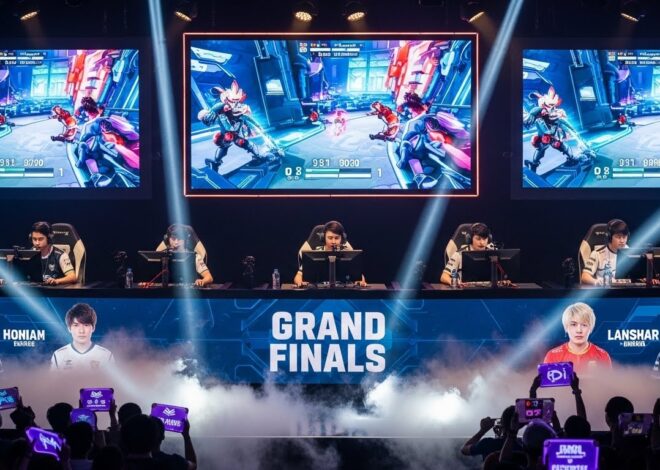
Esports, short for electronic sports, has rapidly grown from a hobbyist activity into a global phenomenon. What was once confined to small gatherings of gamers has transformed into professional leagues, tournaments, and a multi-billion-dollar industry. Today, esports is not just about playing games—it’s about skill, strategy, teamwork, and entertainment on an international scale.
The Journey of Esports
The evolution of esports is a story of technology and community. Early competitive games like StarCraft and Counter-Strike introduced structured competitions, while online connectivity allowed players from different regions to compete together. Over the years, advancements in live streaming and digital platforms have made esports accessible to millions, turning casual players into professional athletes and spectators into passionate fans.
Popular Esports Genres
Esports spans multiple genres, each offering unique competitive experiences. Multiplayer Online Battle Arena (MOBA) games, such as League of Legends and Dota 2, focus on teamwork and strategic planning. First-Person Shooter (FPS) games like Valorant and Call of Duty emphasize precision and quick reflexes. Additionally, fighting games, sports simulations, and real-time strategy games provide diverse opportunities for players to demonstrate skill and creativity.
Professional Players and Training
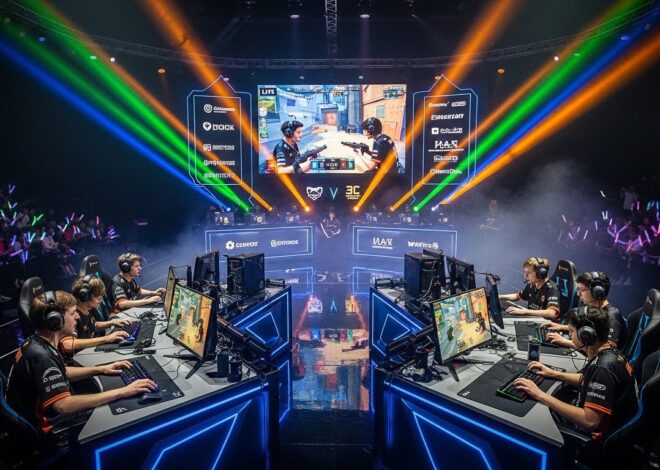
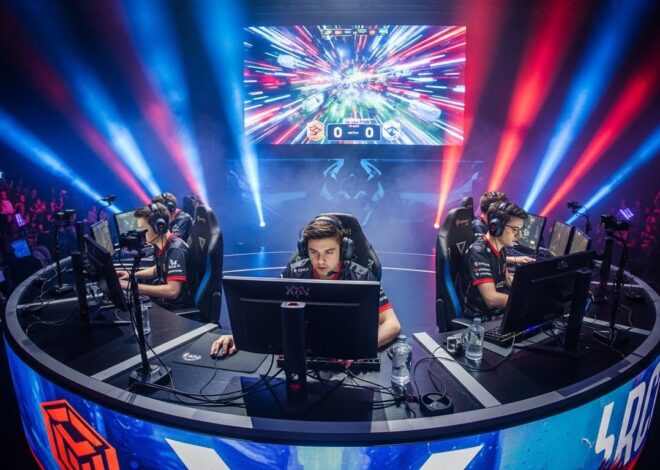
Esports players are athletes in their own right. They spend hours each day practicing mechanics, analyzing strategies, and maintaining mental and physical fitness. Professional teams participate in leagues and tournaments, often supported by coaching staff and analysts. The dedication required mirrors traditional sports, highlighting the discipline and professionalism behind competitive gaming.
The Business of Esports
The esports industry has grown exponentially, driven by sponsorships, advertising, merchandise, and media deals. Brands recognize the influence of gaming audiences and invest heavily in tournaments and teams. Streaming platforms also generate revenue through subscriptions, donations, and advertising, creating an ecosystem that supports players, organizers, and fans alike.
Cultural Impact and Community
Esports has fostered a strong sense of community. Fans connect through streaming platforms, social media, and forums, creating shared experiences around games and teams. The culture of esports influences fashion, music, and entertainment, making gaming an integral part of modern digital culture. The excitement of tournaments and the loyalty of fan bases highlight how deeply esports resonates with audiences worldwide.
Challenges in Esports
Despite its growth, esports faces several challenges. Player burnout, mental health concerns, and inconsistent regulation are pressing issues. Additionally, maintaining fair competition, managing online toxicity, and ensuring sustainable careers for players are critical for the long-term success of the industry. Balancing rapid growth with ethical practices and player well-being remains a major priority.
Conclusion: The Future of Competitive Gaming
Esports is more than just a trend—it represents the future of entertainment and competition. With its blend of technology, skill, and community, esports continues to redefine what it means to be a sport in the digital age. As the industry grows, opportunities for players, fans, and businesses will expand, ensuring that competitive gaming remains a vibrant and dynamic part of global culture.