How Esports Is Bridging Cultural Divides Through Competition
The world of entertainment has transformed dramatically in the past few decades, and one of the most significant developments has been the rise of Esports. What was once considered a niche hobby has now evolved into a global phenomenon that rivals traditional sports in terms of viewership, sponsorship, and influence. Esports, short for electronic sports, represents organized video game competitions, often between professional players or teams. It is a field that has transcended boundaries, reshaped youth culture, and created new opportunities across industries like technology, media, and education.
The Origins of Esports
The roots of Esports stretch back further than many people realize. The earliest recorded video game competition took place in 1972 at Stanford University, where students competed in the game Spacewar. The winner received a year’s subscription to a magazine as the prize. While this event seems modest by today’s standards, it marked the beginning of a movement that would eventually lead to multimillion-dollar tournaments and global fame for top players.
The 1980s saw arcade games like Pac-Man, Donkey Kong, and Space Invaders bring competitive gaming into public spaces. The Space Invaders Championship organized by Atari in 1980 attracted thousands of participants, proving that gaming could bring together large groups of enthusiasts. With the rise of home consoles like the Nintendo Entertainment System (NES) and the Sega Genesis, the gaming culture became deeply embedded in households worldwide.
However, the 1990s were the real turning point for Esports. The development of the internet allowed players to connect globally, and games like Quake, StarCraft, and Counter-Strike began fostering competitive online communities. These games laid the groundwork for organized tournaments, professional teams, and a fanbase that grew exponentially with each passing year.
The Growth of Competitive Gaming
As technology advanced, so did the competitive scene. The early 2000s witnessed the birth of major Esports organizations and leagues. Titles such as Warcraft III, Halo, and Call of Duty attracted attention from both casual players and professional gamers. South Korea, in particular, played a pivotal role in shaping the Esports landscape. Games like StarCraft: Brood War became national obsessions, and professional players were treated like celebrities. Television networks broadcasted matches live, and sponsorships from major corporations began to flow in.
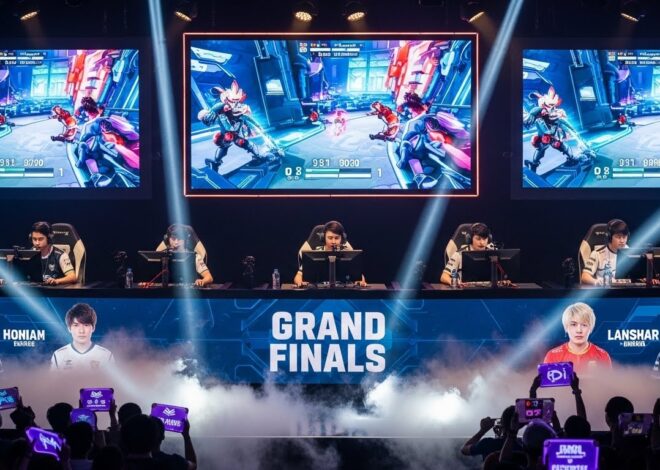
The global rise of broadband internet and streaming platforms in the 2010s pushed Esports into mainstream consciousness. Services like Twitch and YouTube Gaming allowed millions of fans to watch live tournaments from around the world. Suddenly, anyone with a stable internet connection could witness the excitement of a grand final, learn from professional players, and engage with the gaming community in real time.
The Most Popular Esports Titles
The success of Esports is closely tied to the games that define it. Over the years, several titles have become cornerstones of competitive gaming.
- League of Legends (LoL) – Developed by Riot Games, League of Legends became one of the most iconic Esports titles in history. Its combination of strategy, teamwork, and mechanical skill made it a spectator favorite. The annual World Championship attracts millions of viewers and offers massive prize pools.
- Dota 2 – Another giant in the multiplayer online battle arena (MOBA) genre, Dota 2 is known for its complexity and depth. Its tournament, The International, often features the largest prize pools in Esports, funded by community contributions.
- Counter-Strike: Global Offensive (CS:GO) – A first-person shooter that has stood the test of time, CS:GO remains a staple in competitive gaming. Its tactical gameplay and team-based structure make it one of the most-watched Esports around the world.
- Fortnite – Although newer to the scene, Fortnite brought Esports to a younger audience with its unique battle royale format and flashy presentation. The Fortnite World Cup made headlines for offering millions in prizes to its teenage competitors.
- Valorant – Combining elements of tactical shooting and hero-based gameplay, Valorant quickly became a favorite among both players and viewers, establishing itself as one of the leading Esports titles of the 2020s.
- Call of Duty – A franchise with a rich history in competitive gaming, Call of Duty continues to thrive with professional leagues and high-stakes tournaments, especially in North America and Europe.
Each of these games represents a different style of competition, yet they all share the same core qualities: skill, strategy, teamwork, and passion.
The Professional Player Lifestyle
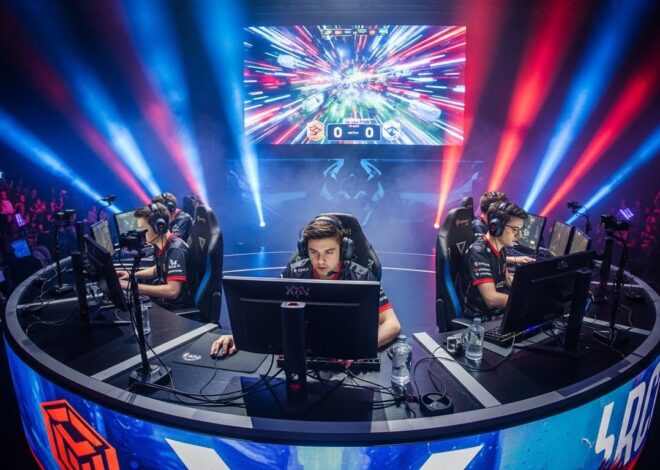
Becoming a professional Esports player requires dedication that rivals traditional athletes. The misconception that gaming professionally is just “playing for fun” couldn’t be further from the truth. Professional players often train for 8 to 12 hours a day, studying gameplay, reviewing tactics, and maintaining peak performance. Teams employ coaches, analysts, nutritionists, and even psychologists to ensure their players remain at the top of their game.
Many players begin their careers in their teenage years, climbing the ranks through online ladders or smaller tournaments. Success in these environments can lead to recruitment by professional teams. However, just like traditional sports, the competition is fierce, and only a small percentage make it to the top. The rewards, though, are significant—top players can earn millions through salaries, tournament winnings, and sponsorships.
The Role of Esports Organizations
Behind every professional player stands an organization that manages logistics, contracts, and brand representation. Teams like T1, Fnatic, Team Liquid, Cloud9, and G2 Esports have become global brands. These organizations not only compete in multiple games but also function as entertainment and lifestyle companies. They produce content, collaborate with fashion brands, and engage fans through social media.
Organizations play a crucial role in building Esports as a sustainable industry. They negotiate sponsorships, organize boot camps, and ensure players have the resources needed to compete at the highest level. In many ways, they are the backbone of professional Esports.
Esports as a Career Beyond Playing
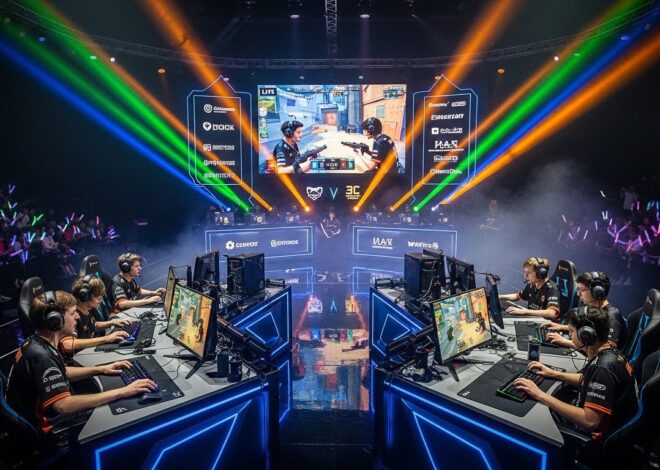
While the spotlight often shines on the players, the Esports industry offers numerous career opportunities. Broadcasters, commentators (known as casters), event organizers, coaches, video editors, social media managers, and data analysts all contribute to the ecosystem. The production quality of modern Esports events rivals that of traditional sports broadcasts, requiring professionals skilled in design, sound engineering, and video production.
In addition, universities and educational institutions have begun offering Esports programs, scholarships, and degrees in gaming management, event production, and digital marketing. This academic recognition shows that Esports is no longer a fringe pursuit but a legitimate career path for passionate individuals.
The Global Appeal of Esports
One of the most remarkable aspects of Esports is its universality. Unlike traditional sports, where geographical and physical limitations play a significant role, Esports transcends borders. A player from Pakistan can compete with someone in Canada or Korea with just a few clicks. The digital nature of gaming creates a global arena where talent and strategy outweigh physical constraints.
Regions such as Asia, Europe, and North America have become major Esports hubs. South Korea and China dominate many titles, while Europe is known for its strong tactical and strategy-based teams. North America’s contribution lies in its large-scale events and sponsorship deals. Meanwhile, emerging regions like the Middle East, South Asia, and Africa are witnessing rapid growth in both audience and participation.
Esports and Traditional Sports: A Growing Connection
While traditional sports once looked down on gaming as a casual pastime, the relationship between the two has evolved. Major sports franchises have invested in Esports teams, recognizing the industry’s potential. Football clubs like Paris Saint-Germain, Manchester City, and FC Barcelona have established Esports divisions. Similarly, basketball organizations, including the NBA, have launched official gaming leagues such as the NBA 2K League.
The crossover doesn’t stop there. Athletes from traditional sports often invest in or endorse Esports organizations, blurring the line between physical and digital competition. This partnership has introduced Esports to new audiences, helping it gain legitimacy and recognition on a global scale.
The Economics of Esports
Esports has become a billion-dollar industry, fueled by sponsorships, advertising, merchandise sales, and media rights. Companies see the value in associating their brands with the youthful and tech-savvy audience that Esports attracts. Sponsorships from technology giants, energy drink companies, and apparel brands have become commonplace.
Streaming platforms also play a significant economic role. Revenue from advertisements, subscriptions, and donations supports both individual creators and major tournament organizers. Furthermore, Esports events generate tourism revenue when hosted in physical arenas, drawing thousands of fans from around the world.
The Influence of Streaming and Content Creation
Streaming is the lifeblood of modern Esports. Platforms that allow players to broadcast their gameplay have transformed Esports into an interactive form of entertainment. Viewers can chat with their favorite players, learn new techniques, and become part of a digital community.
Content creation has also given rise to personalities who bridge the gap between professional gaming and mainstream entertainment. Streamers, YouTubers, and influencers have become integral to Esports culture, shaping trends and engaging millions daily. The ability to combine gameplay with personality-driven content has made gaming not just a competition, but a lifestyle.
Challenges Facing the Esports Industry
Despite its impressive growth, Esports faces challenges that must be addressed to ensure its sustainability. One major issue is player burnout. The intense training schedules, constant travel, and high expectations can lead to mental and physical exhaustion. Another concern is the lack of standardized regulations across different games and tournaments. Issues like match-fixing, cheating, and performance-enhancing substances have occasionally tarnished the industry’s image.
Additionally, the financial stability of smaller teams remains uncertain. While top organizations thrive, many others struggle to secure consistent sponsorships or revenue streams. The volatility of game popularity also presents a challenge; when a title loses its player base, the entire competitive scene can collapse.
The Role of Women in Esports
For a long time, Esports has been dominated by male players, but the landscape is gradually changing. More women are entering competitive gaming, streaming, and content creation. Initiatives and tournaments dedicated to female players have helped promote inclusivity and equal opportunity. Representation and diversity are now key priorities within the industry, paving the way for a more balanced and equitable future.
The Future of Esports
The future of Esports looks incredibly promising. As technology continues to evolve, innovations like virtual reality, augmented reality, and artificial intelligence are expected to revolutionize how games are played and watched. Esports could eventually integrate with educational systems, helping students develop teamwork, problem-solving, and leadership skills through gaming.
Moreover, as 5G networks expand and gaming hardware becomes more affordable, access to Esports will grow even further. The next decade will likely see more cross-industry collaborations, with Esports influencing fashion, film, and even music. Virtual tournaments could reach global audiences in immersive digital environments, blurring the boundaries between the real and virtual worlds.
Conclusion
Esports is more than just competitive gaming; it is a cultural movement that reflects the digital age’s creativity, ambition, and connectivity. What started as friendly matches between enthusiasts has grown into a global entertainment powerhouse that commands respect and admiration. It provides careers, inspires millions, and bridges cultural divides.
As technology and passion continue to merge, Esports will only grow stronger, shaping the future of how we play, watch, and connect. Whether viewed as a sport, an art form, or a digital revolution, one thing is certain—Esports is here to stay, and its impact on the world will continue to expand for generations to come.