
How Esports Sponsorships Work
Esports has grown into a global phenomenon, attracting millions of fans, players, and investors. As the industry expands, sponsorships have become a cornerstone of its economic structure, fueling teams, tournaments, and individual players. Unlike traditional sports, esports offers unique engagement opportunities for brands, combining digital reach, passionate fan communities, and innovative marketing strategies.
Understanding how esports sponsorships work provides insight into the financial ecosystem of competitive gaming, the types of partnerships involved, and the benefits for both brands and the esports community.
The Role of Sponsorships in Esports
Sponsorships are the lifeblood of esports, providing essential funding for teams, events, and leagues. They play a key role in sustaining professional players’ careers and expanding the industry’s infrastructure.
1. Financial Support
Teams rely on sponsorship deals for salaries, training facilities, equipment, and travel expenses. Without these partnerships, many esports organizations would struggle to maintain professional operations.
2. Event Funding
Major tournaments and leagues require substantial investment for production, prize pools, broadcasting, and venue costs. Sponsors help cover these expenses, ensuring high-quality events that attract global audiences.
3. Brand Growth
For brands, esports sponsorships offer access to a young, digitally active audience. Companies can increase visibility, build credibility, and engage with a community that is highly interactive and responsive to online marketing campaigns.
Types of Esports Sponsorships
Esports sponsorships are diverse, ranging from financial investment to product promotion and content creation. Understanding the different types helps explain why brands are drawn to this industry.
1. Team Sponsorship
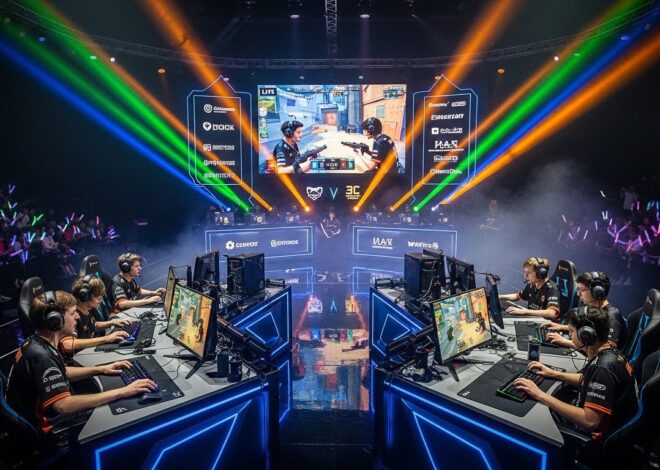
Brands partner directly with professional teams, providing funding, gear, or services in exchange for logo placement on jerseys, social media shoutouts, and exposure during competitions. This type of sponsorship is highly visible during live broadcasts and streaming sessions.
2. Event Sponsorship
Companies sponsor tournaments, leagues, or single events. Their branding appears on advertising boards, digital overlays, streams, and official event content. Event sponsorships allow brands to reach massive audiences during concentrated periods of high engagement.
3. Player Endorsements
Individual players often receive sponsorship deals, particularly those with large social media followings or exceptional skill. Endorsements may include promoting products, wearing branded apparel, or participating in marketing campaigns.
4. Equipment and Peripheral Sponsorship
Brands that produce gaming gear, peripherals, or software often sponsor teams and events to demonstrate their products in action. This can include keyboards, mice, headsets, monitors, or gaming chairs, showcasing the brand’s quality to a dedicated audience.
5. Media and Streaming Sponsorship
Some sponsors focus on digital platforms, supporting content creators, streamers, or broadcasting networks. This type of sponsorship allows brands to reach audiences beyond live events, leveraging online engagement and interactive marketing tools.
How Sponsorship Deals Are Structured
Sponsorship agreements in esports vary based on scope, duration, and investment. Understanding these structures is essential for both brands and organizations.
1. Duration and Exclusivity
Contracts typically specify the length of the sponsorship, ranging from a few months to several years. Some deals are exclusive, granting one brand sole rights to a team, event, or player category, while others are non-exclusive, allowing multiple sponsors to collaborate.
2. Financial Terms
Sponsorships may include direct financial investment, covering salaries, prize pools, or operational costs. Some deals also incorporate performance-based incentives, where the sponsor provides additional funding if teams or players achieve specific results.
3. Branding and Exposure
Contracts outline how and where the sponsor’s branding will appear. This can include jerseys, streaming overlays, social media campaigns, event banners, or digital content. The goal is maximum visibility to the target audience.
4. Product Integration
Some sponsorships involve product placement, usage, or demonstrations. For example, a gaming headset sponsor may require players to exclusively use and showcase their products during competitions and streams.
Benefits for Brands
Esports sponsorships offer unique advantages compared to traditional sports or other marketing channels.
1. Access to a Young, Engaged Audience
Esports primarily attracts a younger demographic, often between 16 and 35 years old. This audience is highly active online, responsive to digital content, and open to brand engagement.
2. Interactive Marketing Opportunities
Unlike traditional sports, esports allows brands to engage directly with fans through live streams, social media, and interactive campaigns. Sponsorships can include giveaways, polls, contests, and other fan-driven content.
3. Global Reach
Esports has a worldwide audience. Sponsors can reach millions of viewers across multiple countries, making it an ideal platform for international marketing campaigns.
4. Brand Association with Innovation
Esports is synonymous with technology, creativity, and modern culture. Brands that sponsor esports gain credibility by aligning with these values, enhancing their image among tech-savvy consumers.
Benefits for Esports Teams and Players
Sponsorships are not just advantageous for brands; they are vital for the growth and stability of esports organizations.
1. Financial Stability
Sponsorships provide teams with predictable funding, enabling professional contracts, training facilities, and travel arrangements. This stability attracts top talent and ensures high-level competition.
2. Career Development
For players, sponsorships offer financial support, equipment, and exposure, allowing them to focus on training and performance without financial distractions.
3. Professional Growth
Sponsorships often include marketing and media training, content creation support, and opportunities to collaborate with brands, helping players develop skills beyond the game.
4. Enhanced Visibility
Teams and players gain exposure through sponsor-led campaigns, content partnerships, and event promotions. This visibility increases fan engagement, brand loyalty, and overall marketability.
Negotiating Sponsorship Deals
Securing esports sponsorships requires careful negotiation, balancing financial needs, branding, and long-term strategy.
1. Understanding the Market
Teams must understand their value, including audience size, engagement rates, and performance history. Brands evaluate metrics like social media reach, streaming statistics, and tournament visibility.
2. Defining Deliverables
Contracts should clearly outline what each party provides and expects. This includes branding placements, content creation, event participation, and performance obligations.
3. Legal Considerations
Agreements must cover intellectual property rights, exclusivity clauses, liability, and termination conditions. Legal clarity ensures both parties understand their commitments and protects against disputes.
4. Long-Term Relationships
Successful sponsorships often lead to long-term partnerships. Teams and brands that maintain transparency, meet deliverables, and align values are more likely to continue collaborations across multiple seasons.
Trends in Esports Sponsorship
The esports sponsorship landscape continues to evolve, influenced by technological innovation, audience growth, and market dynamics.
1. Non-Endemic Brands Entering the Market
Brands outside the gaming industry, such as fashion, automotive, and energy drinks, are increasingly investing in esports sponsorships. This trend broadens revenue opportunities and attracts mainstream attention.
2. Influencer Partnerships
Sponsorships now often include collaborations with content creators and streamers, leveraging their reach to enhance brand engagement and audience trust.
3. Data-Driven Decisions
Teams and sponsors rely on analytics to evaluate sponsorship performance, including viewership metrics, social media engagement, and conversion rates, ensuring ROI and strategic alignment.
4. Interactive Fan Experiences
Sponsors increasingly create interactive fan experiences, from in-game promotions to live event activations. Engaging fans directly strengthens brand loyalty and enhances the sponsorship impact.
Challenges in Esports Sponsorships
Despite their benefits, esports sponsorships come with challenges that both brands and teams must navigate.
1. Market Saturation
As esports grows, competition for sponsorships increases. Teams must differentiate themselves, maintain consistent engagement, and demonstrate value to attract top-tier sponsors.
2. Audience Diversity
Esports fans vary by region, game, and platform. Brands must understand target demographics to ensure messaging resonates and sponsorships are effective.
3. Reputation Management
Player behavior, team controversies, or negative publicity can affect sponsor perception. Both parties must manage reputations carefully to protect the partnership’s value.
4. Changing Technology
Esports is inherently digital and rapidly evolving. Sponsors must adapt to new platforms, streaming technologies, and audience behaviors to maintain relevance.
The Future of Esports Sponsorship
The future of esports sponsorship is promising, with continued growth, innovation, and global expansion.
1. Integrated Marketing Campaigns
Sponsors will increasingly integrate esports into broader marketing strategies, using cross-platform campaigns and immersive content to maximize impact.
2. Virtual and Augmented Reality
Technological advancements will allow brands to create interactive VR and AR experiences, bringing fans closer to the game and enhancing engagement.
3. Expansion into Emerging Markets
As esports popularity grows in regions like Asia, Latin America, and the Middle East, new sponsorship opportunities will emerge, diversifying revenue streams for teams and organizers.
4. Long-Term Brand Loyalty
Esports sponsorships will continue to be a long-term investment for brands seeking to connect with younger audiences and cultivate enduring loyalty within engaged communities.
Conclusion
Esports sponsorships are a vital component of the industry, providing financial support, brand visibility, and career opportunities. From team deals to event sponsorships, product endorsements, and streaming partnerships, these arrangements create a symbiotic relationship between brands, players, and fans.
For brands, esports sponsorships offer access to a young, engaged, and global audience. For teams and players, sponsorships provide stability, resources, and visibility necessary to thrive in a highly competitive environment.
As esports continues to grow, sponsorships will evolve, leveraging innovative technologies, interactive fan experiences, and global expansion to redefine the business of competitive gaming. Understanding how these partnerships work is essential for anyone involved in esports, whether as a player, fan, or investor. Sponsorships are not just a financial transaction—they are a driving force shaping the future of esports.