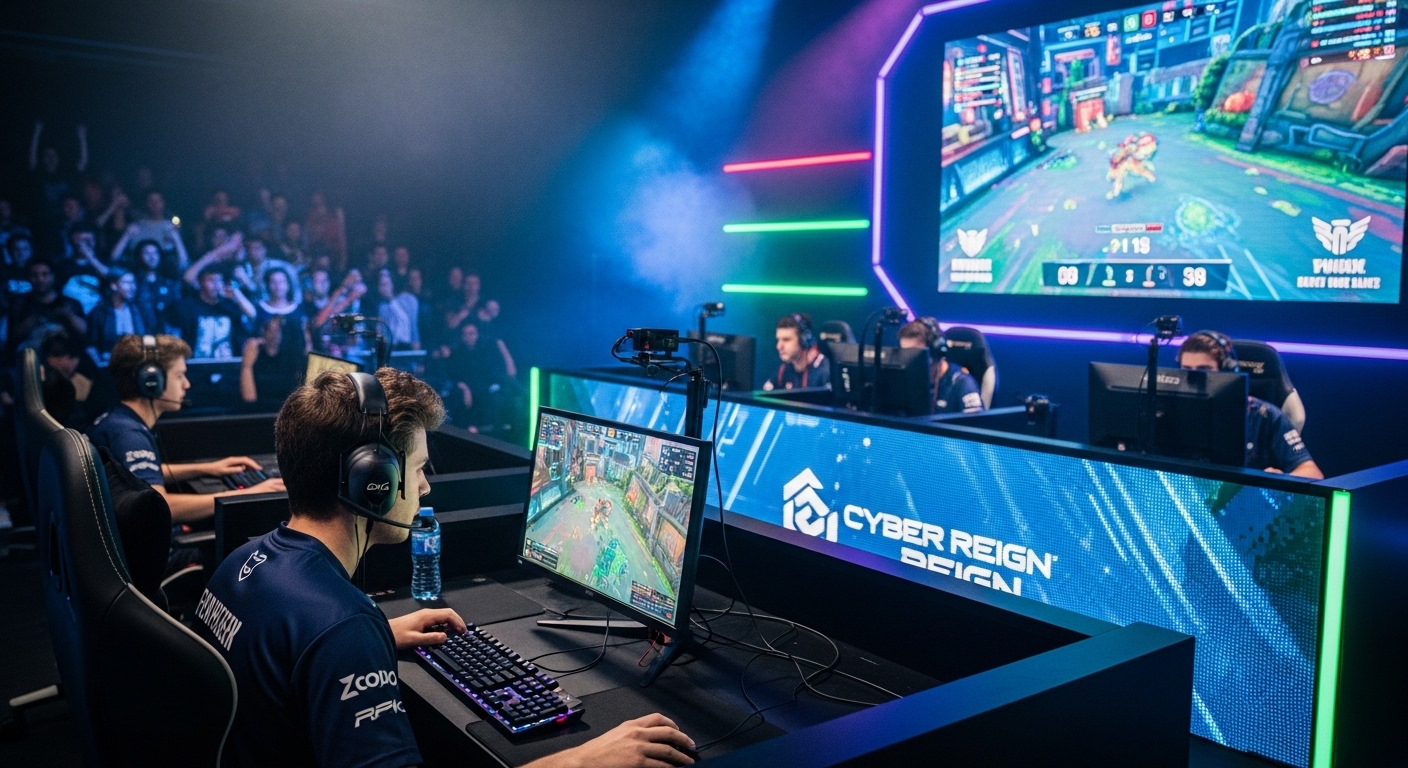
Level Up: The Explosive Growth of Esports and Its Impact on Modern Gaming
Esports has emerged as one of the fastest-growing entertainment industries in the world. What began as casual gaming competitions has now transformed into a professional, global phenomenon with millions of players, spectators, and investors. The rise of esports has redefined competition, technology, and social interaction in the digital age.
What is Esports?
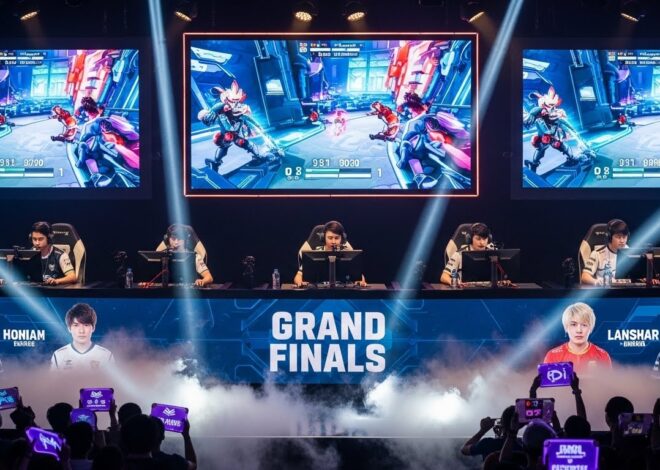
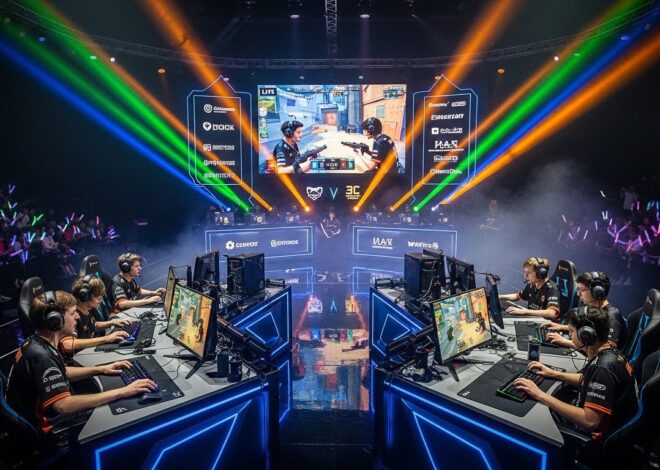
Esports, short for electronic sports, refers to organized, competitive video gaming. Players and teams compete in tournaments, leagues, and online platforms across a variety of game genres. Unlike casual gaming, esports emphasizes strategy, skill, teamwork, and consistency. It has evolved from small local competitions to global events broadcasted to millions of fans, offering prize pools rivaling traditional sports.
Popular Esports Genres
Esports encompasses a wide range of game genres, each attracting dedicated communities. Multiplayer Online Battle Arenas (MOBAs) like League of Legends and Dota 2 require coordination, strategy, and quick decision-making. First-Person Shooters (FPS) such as Counter-Strike and Valorant focus on precision, reflexes, and teamwork. Sports simulations and fighting games provide alternative competitive experiences, appealing to fans of traditional sports and individual skill-based gaming.
The Rise of Professional Players
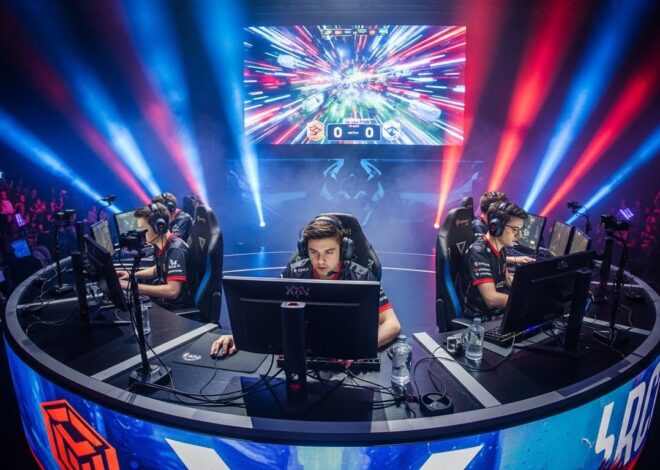
Esports players are the athletes of the digital era. They train for hours daily, developing strategies, communication skills, and mental resilience. Professional teams provide coaching, support staff, and sponsorships, creating an ecosystem that mirrors traditional sports. Top-tier players often gain celebrity status, with fan followings, brand partnerships, and streaming platforms further boosting their visibility and influence.
Esports and Its Global Community
One of esports’ greatest strengths is its ability to connect people worldwide. Online tournaments, live streams, and fan communities create social spaces where players and enthusiasts interact. This global reach fosters collaboration, teamwork, and cultural exchange, turning esports into more than just a competition—it’s a platform for social connection and community building.
Technology Driving Esports
Advancements in technology have fueled esports’ rapid growth. High-performance hardware, low-latency internet, and streaming platforms allow players to compete seamlessly and audiences to watch events in real time. Emerging technologies such as virtual reality (VR) and augmented reality (AR) are expected to make esports even more immersive and interactive, opening new possibilities for players and fans alike.
The Future of Esports
The future of esports promises continued expansion and innovation. Mobile gaming tournaments are increasing accessibility, while international leagues are gaining mainstream recognition. Esports is likely to influence traditional sports, entertainment, and education, offering career paths, skill development, and global networking opportunities. As technology and creativity evolve, esports will remain a defining feature of modern digital culture.
Conclusion
Esports is more than just playing games—it’s a global movement that combines competition, technology, and community. It has turned passionate players into professionals and transformed gaming into a multi-billion-dollar industry. With its continued growth and influence, esports is shaping the future of entertainment and redefining what it means to compete in the digital age.