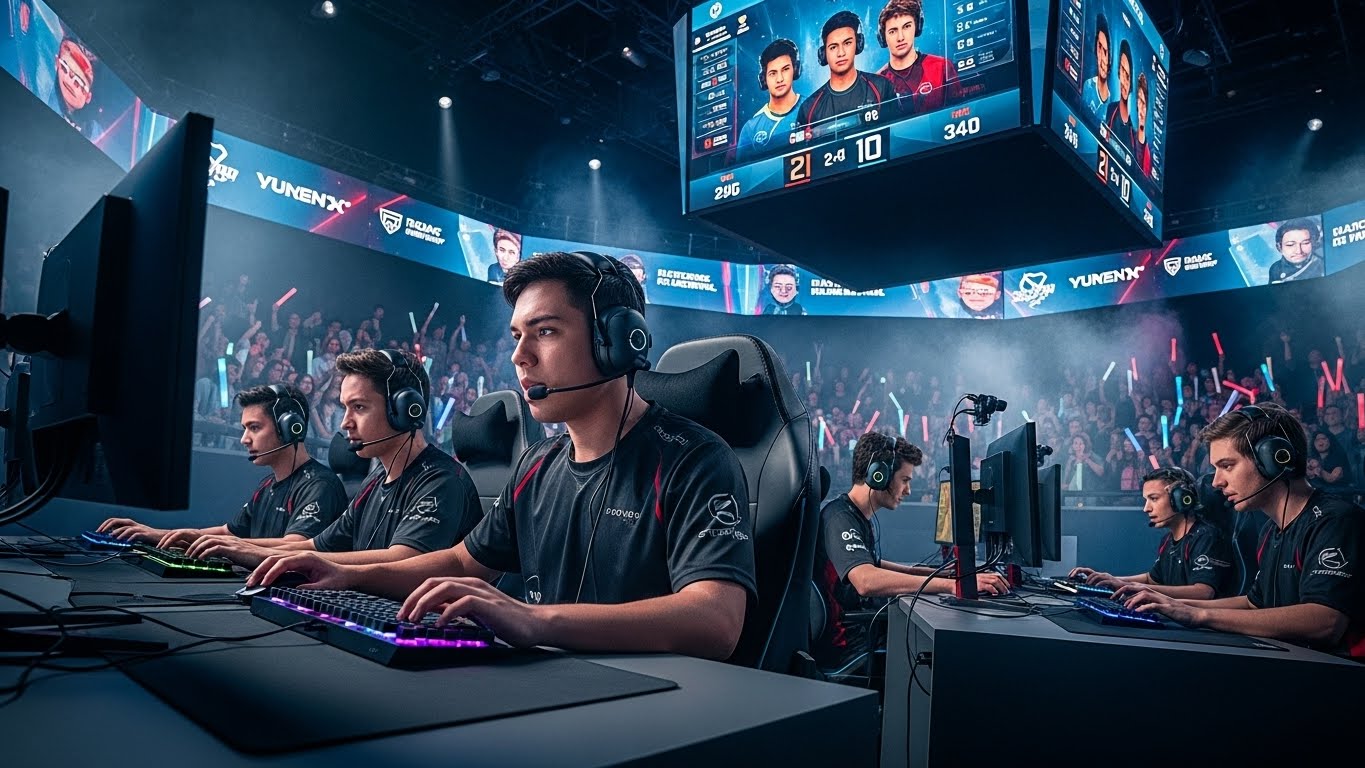
Leveling Up: The Rise and Impact of Esports in Modern Culture
Esports, once considered a niche hobby, has rapidly transformed into a global phenomenon. What started as casual video gaming in bedrooms and arcades has evolved into a professional, multi-billion-dollar industry with organized leagues, sponsorships, and international tournaments. Esports is more than just playing games; it represents a dynamic intersection of technology, competition, entertainment, and community. In this blog, we will explore the history, growth, and cultural significance of esports, as well as its impact on individuals and society.
The Evolution of Esports
The history of esports can be traced back to the late 1970s and 1980s with the rise of arcade competitions and early gaming consoles. Simple games like Pong and Space Invaders sparked competitive interest, but it was not until the 1990s that esports began taking shape as a formalized activity. Games like StarCraft and Quake cultivated professional players and fan communities, setting the stage for competitive gaming to evolve into a recognized sport.
The 2000s brought the internet revolution, allowing gamers to compete globally through online platforms. Multiplayer games such as Counter-Strike, Warcraft III, and League of Legends became central to esports culture. Today, esports tournaments fill stadiums, draw millions of online viewers, and feature professional athletes with rigorous training schedules, coaching teams, and lucrative sponsorship deals.
The Structure of Esports Competitions
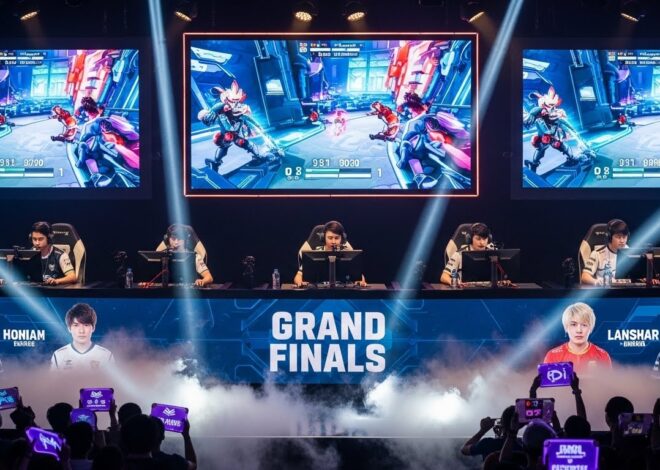
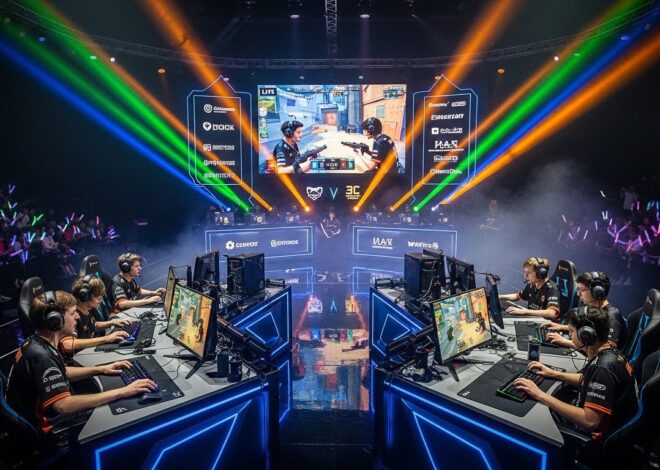
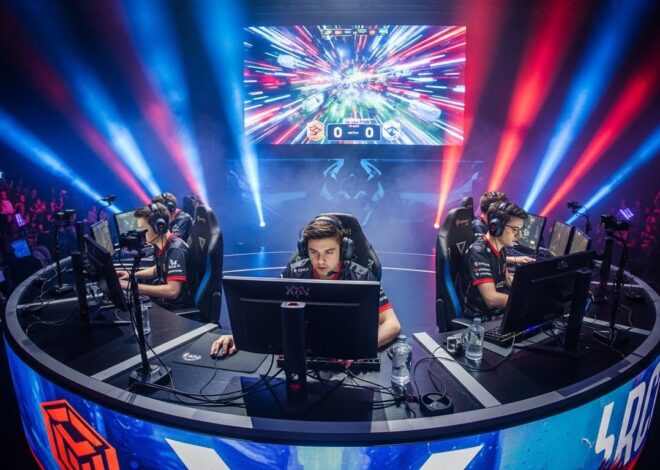
Esports tournaments are structured in ways similar to traditional sports. They feature leagues, seasonal competitions, and championship events. Popular titles like Dota 2, Fortnite, and Call of Duty have their own professional leagues and annual world championships. Players are recruited by teams, often from a young age, and undergo intense training to sharpen their skills and strategies.
Unlike traditional sports, esports competitions are primarily digital, which allows for global participation without geographical constraints. Online qualifiers and regional tournaments provide opportunities for players worldwide, democratizing access to competitive gaming. This structure has helped esports grow from a hobbyist activity into a professional career path.
The Role of Technology in Esports
Technology is at the heart of esports. High-performance gaming computers, fast internet connections, streaming platforms, and sophisticated gaming peripherals are essential components of the ecosystem. Advances in graphics, artificial intelligence, and game development have also enhanced the competitiveness and appeal of esports.
Streaming platforms have revolutionized how fans engage with esports. Viewers can watch live tournaments, follow individual players, and interact with communities in real time. This digital infrastructure has turned esports into a spectator-friendly industry that rivals traditional sports in audience engagement.
Esports as a Career
One of the most compelling aspects of esports is its potential as a professional career. Top-tier esports players earn salaries, sponsorships, and prize money that rival traditional sports athletes. Beyond playing, there are numerous career opportunities in coaching, event management, broadcasting, content creation, and game development.
However, a career in esports requires discipline, dedication, and strategic thinking. Professional players often train for eight to twelve hours a day, analyzing gameplay, practicing mechanics, and refining strategies. The pressure to perform is intense, and only a small percentage reach elite levels. Yet for those who do, the rewards are significant, both financially and in terms of recognition.
Mental and Physical Demands of Esports
Esports may not require the physical exertion of traditional sports, but it demands mental sharpness, reflexes, and endurance. Players must process complex information quickly, make split-second decisions, and adapt to changing circumstances during gameplay. This requires concentration, multitasking, and strategic thinking.
Physical health is also critical, though often overlooked. Long hours of gaming can lead to issues like eye strain, back pain, and repetitive stress injuries. Professional esports organizations are increasingly investing in fitness programs, nutrition plans, and mental health support to ensure players maintain peak performance and well-being.
Esports and Social Interaction
Esports has created vibrant communities where players and fans connect. Online multiplayer games encourage teamwork, communication, and collaboration. Friends and strangers alike form bonds through shared experiences, building social networks that extend beyond the digital world.
Streaming platforms and esports forums further enhance social interaction. Fans can discuss strategies, celebrate victories, and even participate in tournaments themselves. This sense of community is a key factor in the growth of esports, making it not just a competition but a shared cultural experience.
Cultural Impact of Esports
Esports has influenced culture in ways traditional sports never did. Gaming terminology, fashion, and music trends have been shaped by the esports industry. Professional players are celebrities, influencing millions of fans worldwide, while esports tournaments have become major media events covered by mainstream outlets.
Esports also challenges traditional perceptions of sports and competition. It emphasizes mental agility, reflexes, and teamwork over physical strength, broadening the definition of athleticism. This shift has sparked debates about what constitutes a sport, encouraging society to recognize diverse forms of competition.
Educational Opportunities in Esports
Educational institutions are increasingly integrating esports into their programs. Schools and universities offer scholarships for talented players, support esports clubs, and even create curricula focused on game design, strategy, and management. These programs provide opportunities for students to develop skills in leadership, communication, and critical thinking, all while pursuing their passion for gaming.
Esports education also promotes career development. Students can explore roles in broadcasting, software development, event management, and marketing. By treating esports as a legitimate field of study, institutions prepare the next generation of professionals for a rapidly growing industry.
The Business of Esports
Esports is a thriving industry, generating billions of dollars in revenue annually. Major revenue streams include tournament prize pools, sponsorship deals, advertising, merchandising, and media rights. Global brands invest in esports to reach younger audiences, recognizing the influence and engagement that the industry commands.
The business model of esports is unique because it blends entertainment, media, and competition. Companies leverage fan engagement to create immersive experiences, from interactive livestreams to virtual reality tournaments. This dynamic ecosystem continues to attract investors and entrepreneurs, driving innovation and growth.
Challenges Facing Esports
Despite its rapid rise, esports faces several challenges. The pressure on players can lead to burnout, mental health issues, and physical injuries. The lack of standardized regulations and governance also creates inconsistencies in competition rules and player welfare.
Additionally, esports must address inclusivity and diversity. While gaming attracts a global audience, certain demographics are underrepresented in professional play and leadership roles. Promoting equal opportunities and combating toxicity in online communities are essential for sustaining growth and fostering a positive culture.
The Future of Esports
The future of esports is promising and multifaceted. Technological advancements such as virtual reality, augmented reality, and artificial intelligence will transform gameplay and viewer experiences. Esports may expand further into mainstream media, education, and entertainment, solidifying its place as a cultural phenomenon.
Esports also has the potential to integrate with traditional sports. Collaborations, hybrid events, and cross-promotional activities could bridge the gap between physical and digital competitions, creating new forms of engagement for audiences worldwide.
Conclusion: Esports as a Cultural and Competitive Force
Esports has evolved from a niche pastime into a global industry that influences culture, technology, and entertainment. It challenges traditional notions of competition while providing opportunities for careers, social interaction, and personal growth. The mental and physical demands of esports, combined with its social and cultural impact, highlight its significance beyond the digital screen.
As esports continues to grow, it will redefine how society perceives sports, competition, and community. It is a testament to the power of technology and human creativity, proving that the spirit of competition transcends physical boundaries. Esports is more than just gaming—it is a reflection of innovation, passion, and the limitless potential of the human mind.