The Evolution and Impact of Esports: From Basement Hobby to Global Phenomenon
Introduction
A few decades ago, the idea that video games could draw stadium-sized crowds or produce million-dollar athletes would have been laughed off as a fantasy. Gaming was once viewed as a pastime for teenagers locked in their bedrooms, spending hours in front of glowing screens. But today, that world has transformed into something extraordinary — a fast-growing industry known as Esports. From international tournaments filling arenas to professional players signing sponsorship deals with global brands, Esports has become one of the defining cultural and economic forces of the 21st century.
The story of Esports is not just about gaming. It’s about innovation, competition, community, and the transformation of entertainment itself. It bridges the worlds of technology, media, and sports, merging them into a single, thrilling experience that captivates millions across the globe.
The Early Days of Competitive Gaming
The origins of Esports trace back further than most people realize. Competitive gaming didn’t begin with the internet age; it started in the late 1970s and early 1980s. The first known video game competition took place at Stanford University in 1972, where students competed in a game called Spacewar!. The prize? A year’s subscription to Rolling Stone magazine. It was humble beginnings, but it set the tone for what would later become an industry worth billions.
As arcade games like Pac-Man and Space Invaders dominated the 1980s, high-score competitions began appearing in arcades across the United States and Japan. Players competed to etch their names into the leaderboards, gaining local fame among fellow gamers. Television shows even began to take notice, with programs featuring gaming challenges and highlighting top players.
By the 1990s, as home consoles became more popular and the internet started connecting gamers across continents, competitive gaming began to mature. Titles like Street Fighter II and StarCraft gave rise to organized tournaments, and local communities began forming clubs and leagues dedicated to their favorite games.
The Birth of Modern Esports
The early 2000s marked a turning point in gaming history. Broadband internet became more accessible, online play became smoother, and gaming communities flourished. South Korea played a critical role in shaping what we now call Esports. The country embraced online gaming as both entertainment and career. StarCraft became a national obsession, with professional players gaining celebrity status and televised matches drawing massive audiences.
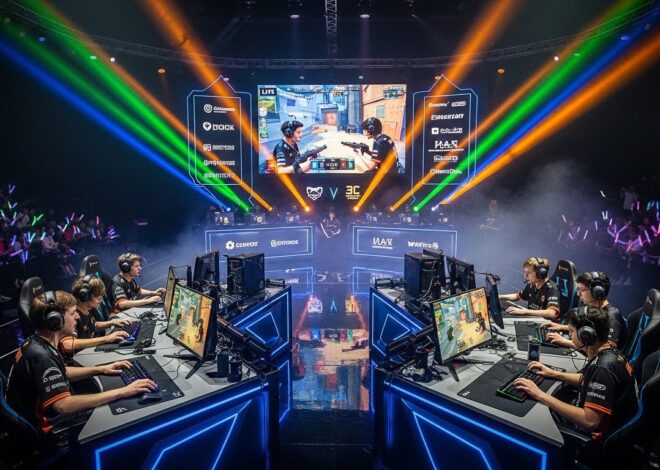
Other countries soon followed. The United States and Europe began forming their own leagues and tournaments. Games like Counter-Strike, Warcraft III, and Halo attracted thousands of competitors. LAN parties became a major part of gaming culture — groups of friends lugging their computers to one location to battle each other in person.
As streaming platforms like Twitch and YouTube Gaming emerged in the 2010s, Esports exploded into the mainstream. Viewers no longer had to attend events physically; they could watch their favorite players compete live from anywhere in the world. Esports began to resemble traditional sports — complete with professional teams, commentators, sponsors, and devoted fans.
Esports as a Professional Career
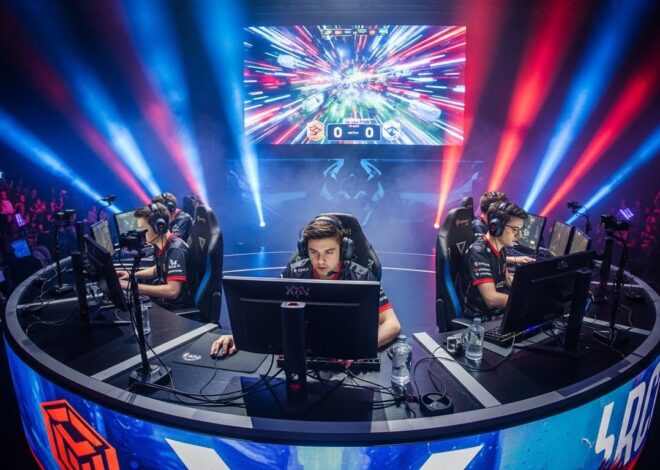
What was once dismissed as a hobby became a legitimate career path. Professional players began earning salaries, endorsement deals, and prize money that rivaled athletes in traditional sports. Organizations such as Team Liquid, Fnatic, Cloud9, and T1 became household names among gaming fans. Players were signed under contracts, trained by coaches, and analyzed by performance specialists.
In games like League of Legends, Dota 2, and Counter-Strike: Global Offensive, top-tier players could earn hundreds of thousands or even millions of dollars per year. Prize pools for major tournaments soared to astonishing heights. The Dota 2 International regularly offered prize pools exceeding 30 million dollars, while tournaments for Fortnite and Valorant drew massive participation from players around the world.
The infrastructure around Esports also expanded rapidly. Training facilities, analyst teams, sports psychologists, and fitness trainers became part of the Esports ecosystem. The emphasis shifted from casual gaming to high-level performance, where even milliseconds of reaction time could make the difference between victory and defeat.
The Rise of Esports Organizations and Leagues
As Esports matured, it began adopting structures similar to traditional sports leagues. Developers and organizations launched franchised leagues such as the Overwatch League, Call of Duty League, and League of Legends Championship Series. These leagues introduced structured seasons, player drafts, city-based teams, and standardized regulations.
For fans, this meant a more accessible and consistent way to follow their favorite teams and players. For investors, it meant stability and opportunity. Companies like Coca-Cola, Nike, and Intel began sponsoring teams and tournaments, seeing Esports as a gateway to younger audiences. Universities even started offering scholarships to Esports athletes, acknowledging gaming as a legitimate competitive pursuit.
The Cultural Impact of Esports
Esports has done more than just change how people play games; it has reshaped global entertainment culture. For an entire generation, Esports stars are as recognizable as movie actors or musicians. Players such as Faker, s1mple, and Ninja have millions of followers and influence beyond gaming. They appear in advertisements, collaborate with brands, and serve as role models for aspiring gamers.
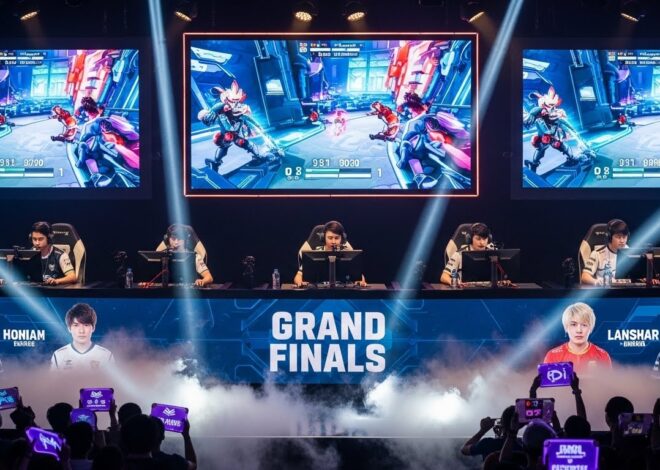
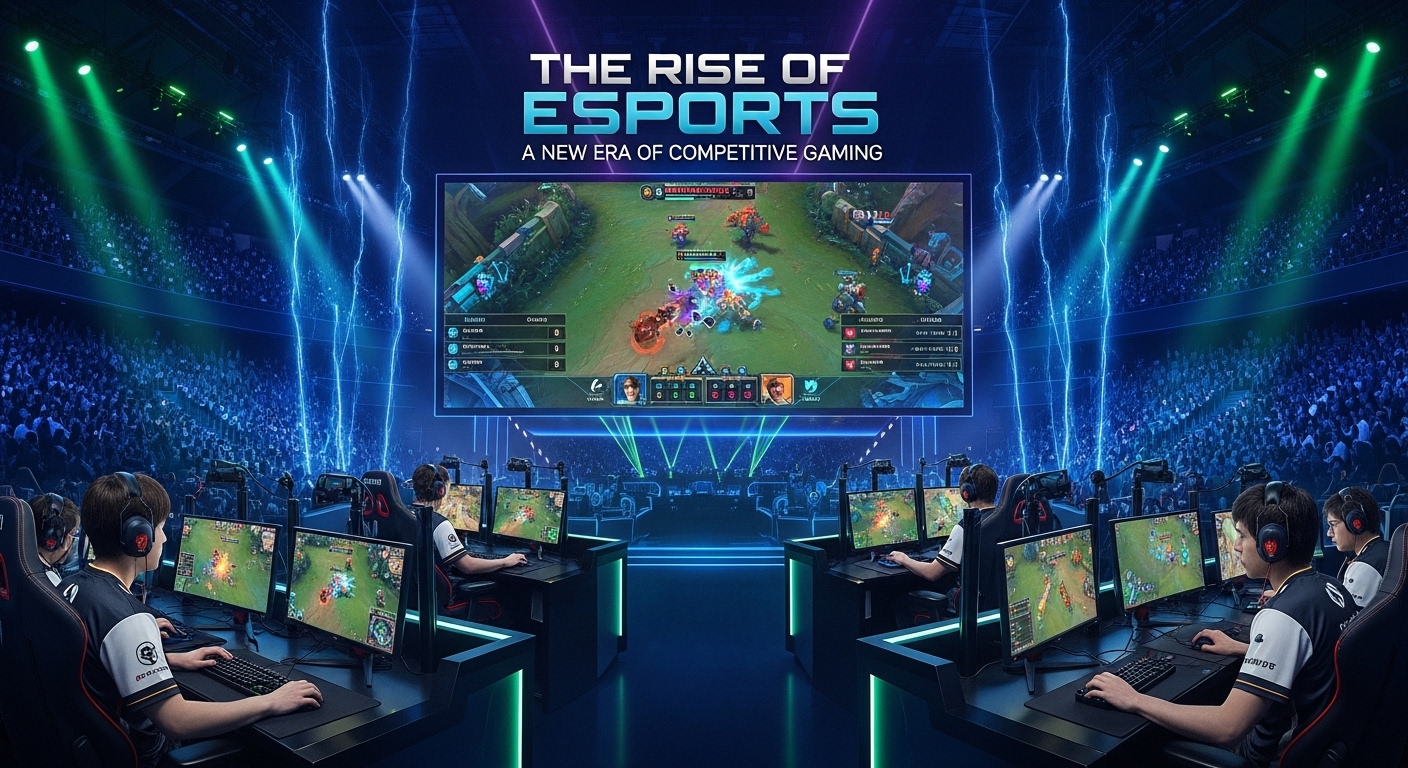
This cultural crossover has helped normalize gaming as a mainstream activity. What was once seen as a niche interest has now become a shared social experience. Major Esports tournaments are broadcast on television, featured in news coverage, and even streamed in cinemas. Fans gather in sold-out arenas, waving banners and chanting for their teams just as they would at a football or basketball game.
Esports has also given rise to content creation and online entertainment. Streamers, casters, and analysts contribute to a vibrant ecosystem where gaming knowledge and personality drive engagement. The lines between competition, entertainment, and community continue to blur, creating a dynamic media landscape unlike anything before.
The Role of Technology
Technology has always been the heartbeat of Esports. The advancement of hardware, software, and internet infrastructure has made competitive gaming possible on a global scale. High-refresh-rate monitors, gaming mice, and specialized keyboards have turned into essential tools for professional gamers.
Cloud gaming and artificial intelligence have further revolutionized the way games are played and analyzed. Data-driven insights allow teams to study opponents, refine strategies, and optimize individual performance. Virtual reality and augmented reality are beginning to enter the scene as well, promising new dimensions of competition and immersion.
Meanwhile, streaming technology has made Esports accessible to anyone with a smartphone or computer. Platforms that host live events provide instant replays, commentary, and interactive chats, creating a sense of community that mirrors live sports broadcasts.
The Economic Power of Esports
The Esports industry has evolved into a major economic powerhouse. It encompasses not just players and teams, but also developers, sponsors, event organizers, broadcasters, and merchandise companies. Global revenue for the Esports industry has surpassed the billion-dollar mark, with steady growth projected year after year.
Ticket sales, digital advertising, and media rights generate massive income for tournaments and leagues. Sponsorship remains one of the largest sources of revenue, as brands seek to align themselves with the highly engaged and tech-savvy gaming demographic. Merchandise sales — from jerseys to gaming peripherals — also contribute significantly to the financial ecosystem.
Investors and traditional sports organizations have taken notice. Famous athletes and celebrities have purchased stakes in Esports teams, recognizing the long-term potential of the industry. As a result, Esports continues to blur the boundaries between entertainment, technology, and commerce.
Esports and Education
Another fascinating development has been the integration of Esports into education. Schools and universities across the world are creating Esports programs that combine gaming skills with academic learning. These programs teach teamwork, leadership, strategy, and communication — the same qualities valued in traditional sports.
Esports scholarships have become common, particularly in the United States, where colleges recruit talented players to represent their institutions. Students are learning not only how to play games competitively but also how to manage teams, produce content, and design game-related technology.
For many young people, Esports provides an entry point into broader careers within the gaming and tech industries. It’s not just about being a player anymore; it’s about understanding the ecosystem that supports competitive gaming, from marketing and media production to software engineering and game design.
The Global Reach of Esports
One of the most remarkable aspects of Esports is its global nature. Unlike many traditional sports that are limited by geography or cultural familiarity, Esports transcends borders. Players from North America, Europe, Asia, and beyond can compete on the same virtual field.
Major tournaments often feature multilingual broadcasts and international audiences. The League of Legends World Championship attracts viewers from over 100 countries, and teams from China, Korea, Europe, and the Americas compete for the title. Similarly, Counter-Strike and Dota 2 maintain truly global communities, where players from smaller nations can rise to international fame.
This worldwide appeal has made Esports a unifying force, connecting cultures through a shared passion for gaming. Fans form friendships across continents, united by their favorite teams or games. In a world often divided by differences, Esports stands as an example of how technology and entertainment can bring people together.
Challenges Facing the Esports Industry
Despite its growth, Esports faces several challenges. Player burnout and mental health are major concerns. The demands of constant practice, travel, and competition can be overwhelming, especially for younger players. The industry is beginning to take these issues seriously by promoting better schedules, wellness programs, and mental health support.
Another challenge is maintaining fairness and integrity. Cheating, match-fixing, and performance-enhancing software have occasionally tarnished Esports’ reputation. Developers and organizations are implementing stricter regulations and anti-cheat systems to preserve the legitimacy of competition.
Monetization and sustainability also remain complex issues. While the top players and organizations thrive, smaller teams often struggle to survive financially. Ensuring a balanced and inclusive ecosystem is crucial for long-term stability.
Gender diversity is another area where progress is needed. Although women have made significant contributions to gaming, they remain underrepresented in professional Esports. Initiatives to create more inclusive spaces, tournaments, and support networks are beginning to take hold, but there is still much work to be done.
Esports and the Future of Entertainment
The future of Esports looks brighter than ever. As technology continues to evolve, so will the ways in which we experience competitive gaming. Virtual reality tournaments could place players inside immersive digital arenas, while augmented reality could blend real and virtual spectators in innovative ways.
Mainstream media companies are increasingly investing in Esports coverage, and global tournaments are being planned years in advance. Traditional sports organizations are integrating Esports divisions, recognizing the power of gaming to engage younger audiences. The line between digital and physical competition is becoming increasingly blurred.
In the coming years, Esports may even find a place in multi-sport events like the Olympics. The conversation around recognition and inclusion is already underway, as international bodies acknowledge the discipline, skill, and teamwork required in professional gaming.
Esports also offers a glimpse into the future of work and community. As digital platforms become more central to our lives, Esports demonstrates how shared virtual experiences can create meaningful social connections and opportunities.
Conclusion
From humble beginnings in university labs and arcade halls to massive stadiums filled with roaring fans, Esports has come a long way. It embodies the spirit of innovation, competition, and community that defines modern entertainment. What was once a niche subculture has evolved into a global industry that inspires millions, creates jobs, and unites people across borders.
Esports is not merely about playing games; it’s about the pursuit of excellence, the celebration of teamwork, and the power of technology to connect humanity. As the digital age continues to unfold, Esports stands as one of its most remarkable and enduring achievements — proof that passion, when fueled by creativity and technology, can reshape the world.