
The Rise and Future of Esports: Exploring the Gaming Revolution
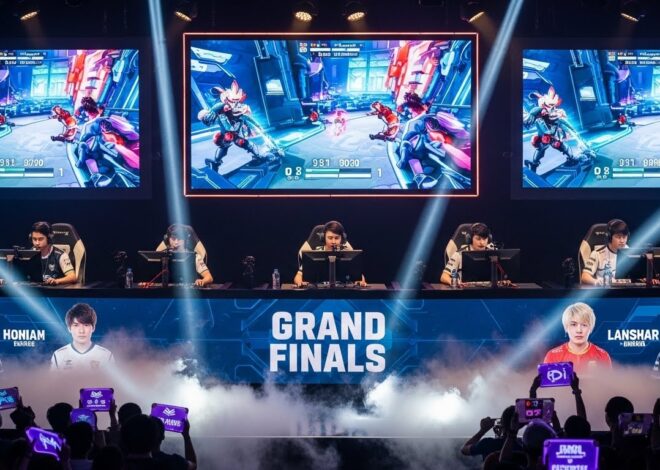
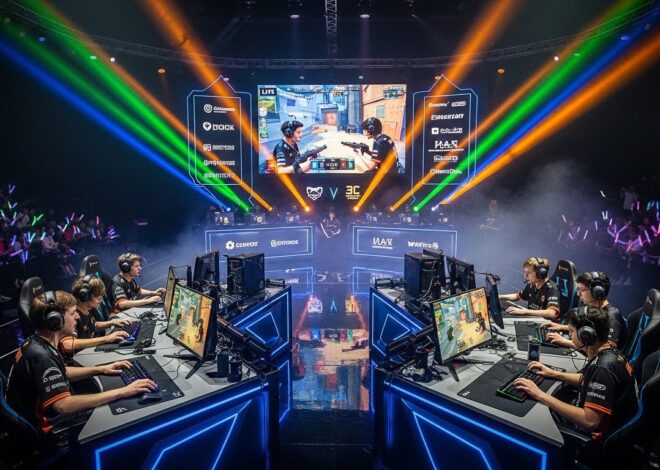
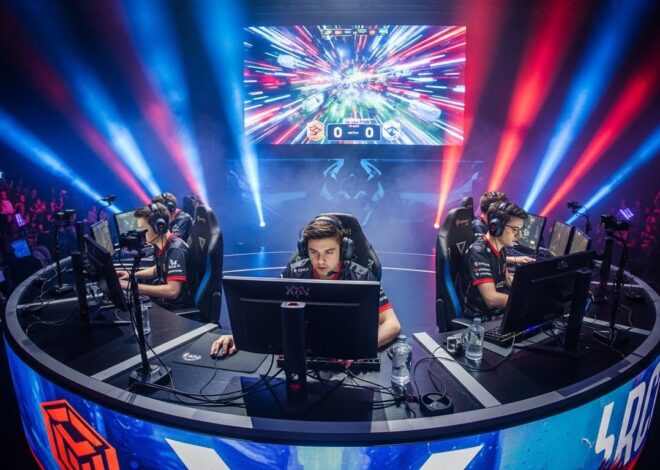
Esports has become more than just a trend—it’s a global phenomenon that has revolutionized the world of entertainment, technology, and sports. With millions of viewers, high-stakes tournaments, and professional athletes, competitive gaming has transcended its humble beginnings and now stands as one of the most prominent industries in the world. From its grassroots origins in basement tournaments to its place in mainstream media, esports has undergone a rapid transformation, and its future promises even more exciting developments. This blog post takes a deep dive into the history, evolution, and future of esports, offering insights into the driving forces behind this booming industry.
The Early Days of Esports: From Arcade Games to Local Tournaments
The story of esports begins long before streaming platforms, professional teams, and international sponsorships. In fact, it traces its roots back to the 1970s and 1980s when video gaming itself was still in its infancy. The early forms of competitive gaming were far less formalized but had the seeds of what would eventually become the esports industry.
The first recorded example of competitive gaming took place in 1972 at Stanford University, where a Spacewar competition was held. Spacewar, one of the first video games, was played by computer enthusiasts and students who competed to achieve the highest score. While this event wasn’t broadcasted to a global audience, it laid the foundation for what would later become a competitive culture within gaming.
Fast forward to the 1980s, and competitive gaming began to take on a more structured form. One of the earliest notable esports events was the Space Invaders Championship in 1980, hosted by Atari. The event attracted over 10,000 participants and marked the first large-scale competitive gaming tournament. It was a glimpse of what was to come in the future. However, the esports landscape was still relatively isolated to local communities, and it would take several decades for the industry to reach its current state.
The Rise of Online Gaming: The Birth of Esports as We Know It
The 1990s marked a turning point in the history of esports, as the internet began to grow, enabling online multiplayer gaming. The development of games that allowed players to compete in real-time against others over the internet created the perfect environment for the esports industry to take shape. Titles like Quake and StarCraft were pivotal in this transition. These games weren’t just about casual play—they were designed with competitive multiplayer experiences in mind.
As internet access improved, online tournaments and competitions started to gain traction. Quake tournaments in the late 1990s were some of the first true esports events, attracting professional players and fans alike. In 1997, the first Red Annihilation tournament was held for Quake, where the grand prize was a Ferrari. This marked one of the first times that esports tournaments featured such valuable prizes and professional-level competition.
During the same period, the development of StarCraft by Blizzard Entertainment in 1998 set the stage for competitive gaming to explode in South Korea. The game became immensely popular, and its competitive scene flourished, thanks to the emergence of television networks and broadcast platforms that dedicated airtime to esports tournaments. South Korea became the epicenter of esports, and the StarCraft pro-gaming scene became a model for other countries to follow.
Esports Takes Center Stage: Global Tournaments and Professional Teams
By the early 2000s, esports had grown into a globally recognized industry. Major game publishers like Blizzard, Valve, and Riot Games began to invest heavily in competitive gaming, launching iconic tournaments like The International for Dota 2 and League of Legends World Championships. These tournaments attracted millions of viewers and offered massive prize pools, often reaching tens of millions of dollars.
The advent of streaming platforms like Twitch in 2011 marked a significant shift in how esports was consumed. Viewers no longer needed to be physically present at tournaments to watch the action—esports events were now streamed live, bringing the games directly into people’s homes. This revolutionized the way fans engaged with the esports ecosystem. No longer limited to in-person attendance, viewers from around the world could tune in and watch their favorite players and teams compete at the highest level.
Professional esports organizations began to emerge, and the notion of “team-based” competition became a core component of the industry. Teams like SK Telecom T1 in League of Legends, Team Liquid in Dota 2, and Cloud9 in Counter-Strike: Global Offensive gained international recognition. These organizations recruited the best players and provided them with the resources and support they needed to succeed, including coaching, training facilities, and medical care.
By 2015, the League of Legends World Championship attracted over 36 million viewers, and The International in Dota 2 offered a prize pool of over $18 million. Esports was no longer just a hobby for enthusiasts—it had become a legitimate career path for many young gamers.
The Growth of Esports: Sponsorships, Revenue, and Mainstream Recognition
As the esports industry continued to grow, it attracted major investment from a variety of sources, including corporate sponsors, media companies, and even traditional sports organizations. This influx of funding allowed esports tournaments to grow in scale, producing even larger prize pools, more extravagant production values, and greater exposure through television and online platforms.
Corporate sponsorship became a cornerstone of the esports business model. Major brands like Coca-Cola, Intel, Nike, Red Bull, and Audi partnered with esports teams and tournaments, recognizing the value in reaching a young, tech-savvy audience. The rise of streaming platforms further boosted sponsorships, as advertisers flocked to Twitch and other platforms to target millions of esports fans. In fact, some esports teams and players now sign sponsorship deals worth millions of dollars annually, further legitimizing the industry as a serious business.
In addition to sponsorships, esports organizations also generate revenue through merchandising, media rights, ticket sales for live events, and licensing deals. Esports events, especially the larger ones like The International or League of Legends Worlds, have become cultural landmarks that attract not only hardcore gamers but also mainstream audiences. These events are now broadcast globally, and major media outlets such as ESPN have begun covering esports, showcasing its increasing acceptance in the broader entertainment industry.
The Role of Streaming Platforms: Connecting Fans and Players
The rise of streaming platforms, particularly Twitch, has played a pivotal role in the growth of esports. These platforms allow players to broadcast their gameplay, interact with their audience, and build a fanbase. Esports athletes and content creators can stream their practice sessions, casual play, and even off-game activities, offering a more personal connection with fans.
For many, streaming has become a viable career option. Popular streamers such as Ninja, Shroud, and Pokimane have not only made millions from their streaming revenue but have also become global celebrities within the gaming community. Streaming allows fans to experience esports in real time and provides a platform for aspiring players to showcase their talent to a wide audience.
Additionally, streaming platforms enable the democratization of esports, allowing anyone with an internet connection to access live tournaments and engage with the community. Viewers can interact with players, ask questions, and discuss game strategies in real time through chat, making the experience highly interactive and engaging.
The Challenges Facing Esports: Sustainability and Player Health
Despite its rapid growth, esports faces several challenges that need to be addressed to ensure its continued success. One of the most pressing concerns is the mental and physical health of professional players. Esports athletes often train for hours every day, honing their skills and improving their gameplay. However, the intense focus and sedentary nature of gaming can lead to burnout, stress, and physical injuries like carpal tunnel syndrome.
To mitigate these issues, many esports organizations are beginning to prioritize player well-being. This includes offering mental health resources, nutrition advice, physical therapy, and regular breaks to prevent burnout. The introduction of player support programs is a step in the right direction, but the industry still faces challenges when it comes to providing long-term career stability for players once they retire from competition.
Another issue is the lack of uniform regulation across the industry. Unlike traditional sports, esports lacks a global governing body that oversees everything from rules and ethics to player contracts and prize distribution. While some game developers and tournament organizers have implemented their own regulations, the absence of a universal standard leaves room for inconsistencies and potential exploitation.
The Future of Esports: What’s Next?
As esports continues to grow, several key trends are likely to shape its future:
- Virtual and Augmented Reality: With the advancement of VR and AR technology, esports could become an even more immersive experience. Imagine being able to watch a League of Legends match from the perspective of a player or stepping into a Counter-Strike match as if you were there on the battlefield.
- Mobile Gaming: The rise of mobile esports is also on the horizon. Games like PUBG Mobile and Call of Duty Mobile have proven that competitive gaming can thrive on smartphones and tablets. As mobile technology continues to improve, mobile esports will become an increasingly important part of the industry.
- Mainstream Integration: Esports is becoming more mainstream with each passing year. As more traditional sports teams and networks invest in esports, the gap between esports and traditional sports will continue to shrink. The inclusion of esports in multi-sport events like the Asian Games and potential Olympic inclusion is a sign that esports is on its way to becoming a permanent fixture in global culture.
- Diversity and Inclusion: Esports has historically been dominated by a specific demographic, but there is a growing push for greater diversity and inclusion within the community. Efforts are being made to support female gamers, players from underrepresented regions, and individuals with disabilities, helping to create a more inclusive environment for all.
Conclusion: The Unstoppable Growth of Esports
Esports has come a long way from its humble beginnings, evolving into a global powerhouse with millions of fans and billions in revenue. The rise of online gaming, streaming platforms, and corporate sponsorships has transformed competitive gaming into a full-fledged industry, with professional players, teams, and organizations making careers out of their passion for gaming. As the industry continues to expand, it is clear that esports is no longer just a niche activity—it’s a legitimate global phenomenon that will shape the entertainment world for years to come. With technological advancements, greater mai