
The Rise of Esports: A Global Phenomenon
Esports, short for electronic sports, has evolved from a niche hobby into a multi-billion dollar industry. Over the past two decades, esports has transformed into a global spectacle, captivating millions of fans around the world and creating a new wave of professional athletes, streamers, and content creators. The world of esports is as diverse as it is exciting, encompassing a wide variety of games, platforms, and tournaments. But how did this transformation occur, and what are the driving forces behind esports’ meteoric rise? This blog will explore the history of esports, its current state, its influence on culture and society, and where it’s headed in the future.
The Early Days of Esports: From Arcades to Online Competitions
The roots of esports can be traced back to the early 1990s when competitive gaming was first introduced. In the early years, most esports competitions took place in arcades, where gamers could compete against each other on games like Street Fighter II and Mortal Kombat. These competitions were small-scale, often informal, and typically took place in local venues, but they laid the groundwork for the competitive gaming culture we see today.
The first real turning point came in 1997, when the Red Annihilation tournament for Quake was held. This was one of the first major esports tournaments, with the winner, Johnathan “Fatal1ty” Wendel, taking home a Ferrari. The tournament helped to prove that competitive gaming could offer significant rewards and set a precedent for future events.
As the internet became more widely accessible in the late ’90s and early 2000s, online multiplayer gaming took off. Titles like StarCraft, Warcraft III, and Counter-Strike revolutionized competitive gaming by allowing players to compete against others globally, leading to the emergence of professional gaming leagues. Games like StarCraft helped shape the competitive landscape, especially in South Korea, where it gained mass popularity, leading to the creation of professional gaming teams and large-scale tournaments.
The Evolution of Esports: Professionalization and the Creation of Leagues
In the early 2000s, esports began to grow exponentially. One of the most significant milestones in this period was the founding of major esports leagues and the professionalization of gaming. The creation of leagues like the World Cyber Games (WCG) and Electronic Sports League (ESL) gave competitive gaming a formal structure, drawing attention from large corporations and sponsors. These organizations helped to provide a platform for players to compete in organized tournaments with substantial cash prizes, pushing esports into the mainstream.
The early success of Warcraft III and StarCraft helped establish the idea of professional gaming, but it was League of Legends (LoL), released by Riot Games in 2009, that really accelerated the rise of esports in the 2010s. LoL’s global reach, free-to-play model, and consistent tournament structure made it one of the most successful esports titles of all time. Riot Games set a precedent with their dedication to creating and nurturing an esports ecosystem. The annual League of Legends World Championship became one of the most-watched sporting events globally, with millions of viewers tuning in to watch the best players from around the world compete for the championship title.
The success of League of Legends opened the floodgates for other games to develop professional leagues, including Dota 2, Overwatch, CS: GO, and Fortnite. These games introduced their own leagues, tournaments, and professional teams, further legitimizing esports as a form of competitive entertainment.
Esports in the Mainstream: Media, Sponsorships, and Broadcasting
One of the most significant developments in esports has been its integration into mainstream media. As the popularity of esports grew, so did the interest from traditional sports networks and media outlets. Major television networks began broadcasting esports events, and streaming platforms like Twitch allowed fans to watch live gameplay, creating a new form of entertainment consumption.
Twitch, in particular, played a critical role in making esports more accessible. With millions of concurrent viewers and thousands of streamers broadcasting daily, the platform became the primary hub for esports content. Twitch allowed gamers to not only watch live esports events but also connect with their favorite streamers, forming communities around specific games, personalities, and events.
Esports tournaments also began to draw significant sponsorships from global brands like Coca-Cola, Intel, and Red Bull. These companies saw the value in associating their brands with esports, recognizing the growing number of young, tech-savvy consumers who were engaged with gaming. This influx of sponsorship money helped elevate esports, turning it into a billion-dollar industry with professional teams, dedicated fanbases, and high-stakes competitions.
The Rise of Esports Athletes: The Players Behind the Screens
As esports grew in popularity, so did the recognition of the players themselves. Just like traditional sports, esports athletes began to be seen as celebrities in their own right, often achieving fame through their exceptional skill and performance. Players like Faker (Lee Sang-hyeok), Ninja (Tyler Blevins), and s1mple (Oleksandr Kostyliev) have become household names, drawing huge fan followings and signing lucrative sponsorship deals.
The lifestyle of an esports athlete is similar to that of a professional athlete in any other sport. Many of these players train for hours each day, practicing their skills, refining their strategies, and analyzing their gameplay. In fact, some esports players compete in grueling, high-stakes tournaments that can last for days, with millions of dollars in prize money on the line. The mental and physical strain on these players is immense, requiring incredible focus, quick reflexes, and team coordination.
Esports players also face a high level of scrutiny, with fans constantly analyzing their performance, decision-making, and personality. As esports athletes gain more fame, many of them branch out into content creation, whether it’s through streaming, creating YouTube content, or endorsing products. This ability to brand themselves outside of traditional competitions has made some esports players incredibly wealthy and has given them a unique platform to influence both the gaming community and the wider entertainment industry.
Esports’ Impact on Society: Cultural Influence and Growth of Communities
Esports has gone beyond being just a form of entertainment – it has created entire communities, influencing culture, and even the job market. The global nature of esports has brought people together from all corners of the world. Gamers from different countries and backgrounds can now connect and compete, forming a universal bond over their shared passion for gaming.
The rise of online streaming platforms like Twitch has also given rise to the phenomenon of “streaming culture.” Professional gamers, streamers, and content creators interact with their audiences, building relationships through live chat and fan interaction. This has created an entirely new form of celebrity, where fans can feel directly connected to their favorite gamers.
Esports has also influenced the development of other industries. Game developers are paying closer attention to the demands of competitive gaming, often designing their games with esports in mind. The growth of esports has led to innovations in game design, streaming technology, and even broadcasting techniques. We’ve also seen the rise of esports media outlets, dedicated to reporting on the latest news, interviews, and in-depth analyses of major tournaments.
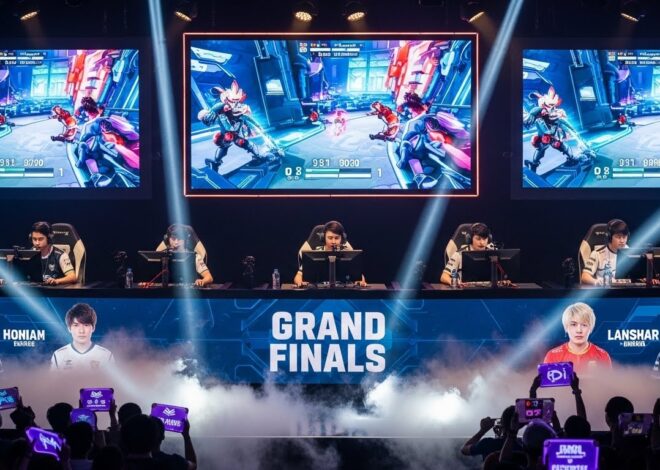
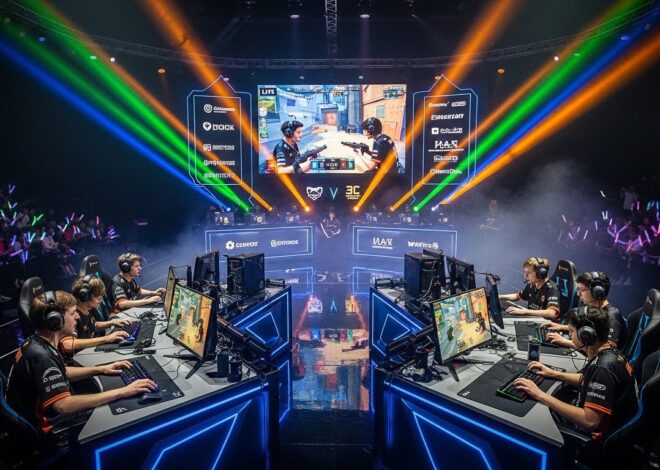
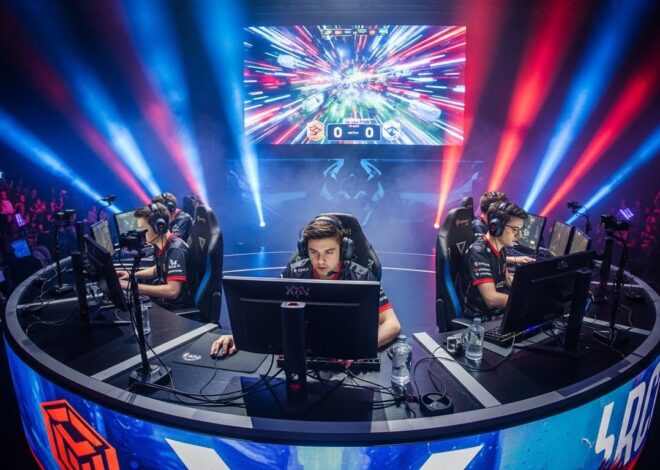
Esports’ reach has also expanded beyond gaming, with events held in stadiums and arenas that rival those of traditional sports. Major tournaments like The International for Dota 2 and The League of Legends World Championship fill massive arenas with live audiences, creating an electrifying atmosphere. The success of these events has shown that esports can be just as captivating as traditional sports, and perhaps even more accessible due to its digital nature.
The Future of Esports: A Billion-Dollar Industry with Limitless Potential
The future of esports looks incredibly promising. As the industry continues to grow, the opportunities for players, teams, and fans expand. We are seeing the rise of collegiate esports leagues, where universities offer scholarships for esports players, similar to traditional athletic scholarships. There is also a growing interest in high school esports programs, with schools across the world incorporating gaming into their extracurricular activities.
Esports is also likely to become a permanent fixture in the Olympics. The International Olympic Committee (IOC) has already expressed interest in incorporating esports into the Olympic Games, although the debate over whether gaming should be considered a “sport” continues. Despite this, the push for esports to be included in global sporting events is an indication of just how far the industry has come.
Additionally, new technological innovations like virtual reality (VR) and augmented reality (AR) could take esports to new heights. As VR and AR technology improve, they have the potential to revolutionize the way esports are played, watched, and experienced. Imagine watching an esports match where you feel like you’re actually inside the game, controlling your own avatar alongside the players.
Conclusion: Esports is Here to Stay
Esports is no longer just a hobby or a niche interest; it is a multi-billion dollar global industry that has reshaped the way we think about sports, entertainment, and culture. From its humble beginnings in arcades and LAN parties to its current status as a mainstream phenomenon, esports has come a long way. The future of esports looks brighter than ever, with more players, fans, and brands joining the ecosystem every year.
Whether you’re a hardcore gamer, a casual viewer, or someone just discovering the world of esports, it’s clear that the esports industry is only going to continue to grow. As technology advances, new games emerge, and the global community of fans and players expands, esports will remain at the forefront of entertainment for years to come.