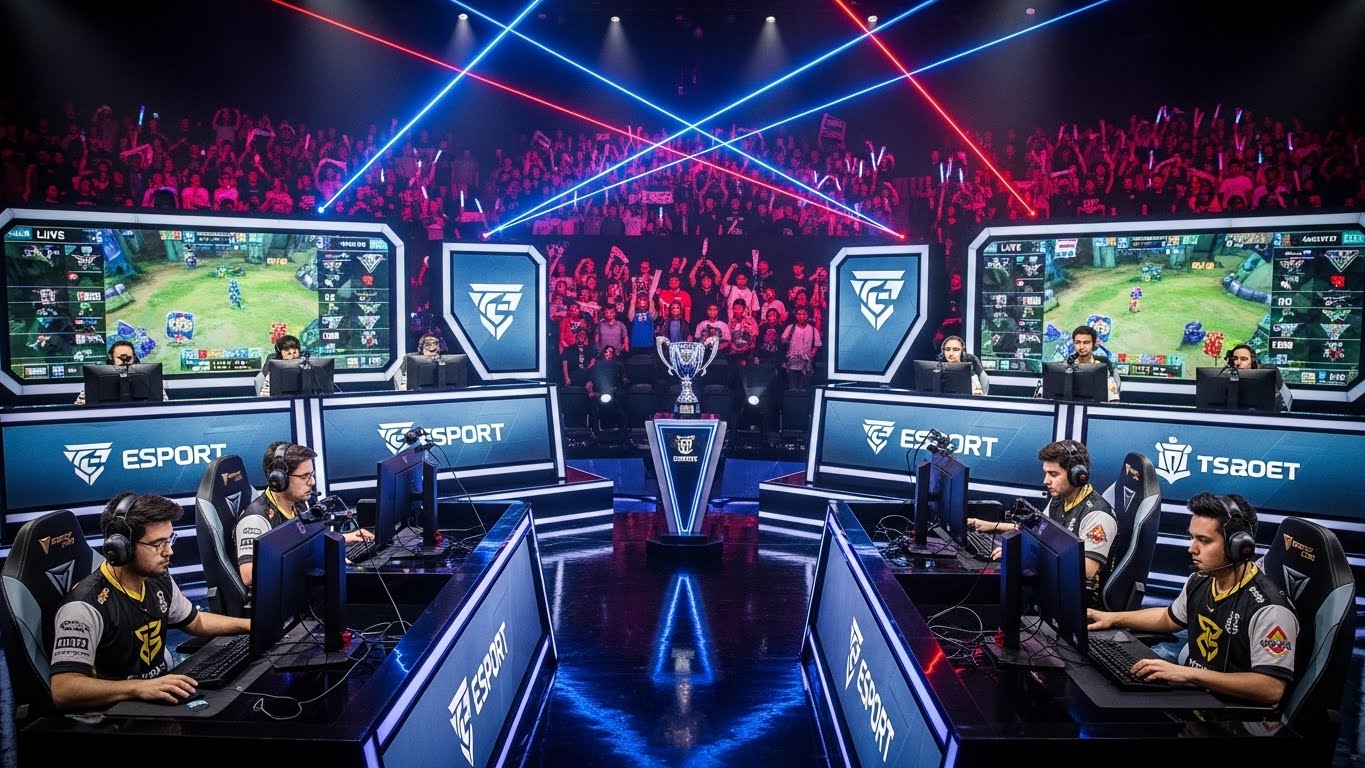
The Rise of Esports: A Global Phenomenon Shaping the Future of Entertainment
Esports, or electronic sports, have exploded onto the global stage over the past decade, transforming from a niche hobby into a massive industry that rivals traditional sports. With millions of viewers, competitive leagues, sponsorships, and professional players, esports has cemented its place as a dominant force in the entertainment world. But what exactly is driving this growth? How did esports evolve from simple video games to a billion-dollar industry? And what does the future hold for this ever-expanding world? In this post, we’ll take a deep dive into the rise of esports and explore the various factors contributing to its success.
What Is Esports?
At its core, esports refers to competitive video gaming, where individuals or teams compete in organized tournaments, often for significant cash prizes, sponsorships, and prestige. These tournaments can be played in various formats, including online events, local competitions, and international championships. While competitive gaming has been around since the early days of arcade gaming, it wasn’t until the late 2000s and early 2010s that esports began to take shape as an organized, professional enterprise.
Today, esports spans a wide range of games, from first-person shooters (FPS) like Call of Duty and Counter-Strike: Global Offensive, to multiplayer online battle arena (MOBA) games like League of Legends and Dota 2. There are even esports competitions for strategy games, fighting games, and sports simulations like FIFA. Each of these genres attracts a different player base, creating a diverse and vibrant ecosystem within esports.
The Early Days: From LAN Parties to Tournaments
Esports has its roots in grassroots gaming events, often referred to as LAN (local area network) parties. In the late 1990s and early 2000s, gaming enthusiasts would gather in local venues or in each other’s homes, connect their computers to a local network, and compete against one another in popular games like Quake and StarCraft. These informal events were the birthplace of competitive gaming, but the idea of esports as a professional career was far from reality at that time.
The turning point came with the rise of online gaming and the development of platforms like Battle.net (for Blizzard games) and Steam (for Valve games). These platforms allowed gamers to compete against each other across the globe, creating an early form of organized online tournaments. Around the same time, major gaming companies began to realize the potential of esports as a marketing tool. Games like Warcraft III and StarCraft II became major tournament staples, and companies started to invest in sponsorships, event production, and broadcasting.
The Explosion of Esports in the 2010s
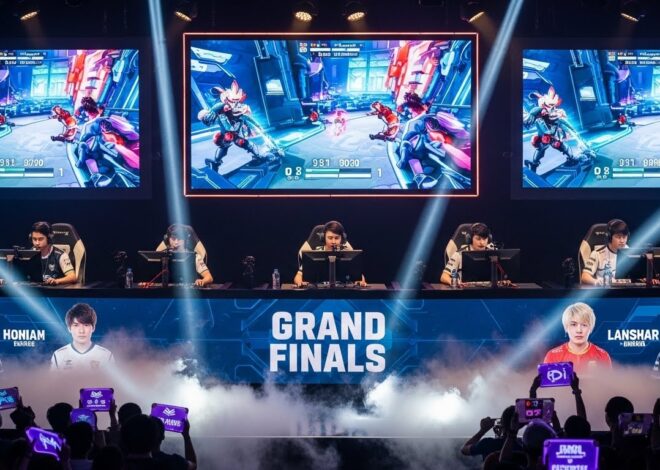
The real breakthrough for esports came in the early 2010s, when the growth of streaming platforms like Twitch revolutionized the way esports events were broadcasted to the public. Suddenly, fans could watch live esports tournaments from the comfort of their homes, making competitive gaming accessible to millions of viewers worldwide. This shift in accessibility, combined with the rise of high-profile tournaments such as The International for Dota 2, League of Legends World Championship, and the Overwatch League, helped esports gain mainstream recognition.
A key factor in the growth of esports was the development of a global fanbase. No longer confined to specific regions, esports tournaments began to attract viewers from every corner of the world. This international reach was further fueled by the increasing popularity of online platforms such as YouTube, where users could watch replays and highlights of their favorite tournaments.
The Industry Behind Esports: Players, Teams, and Sponsors
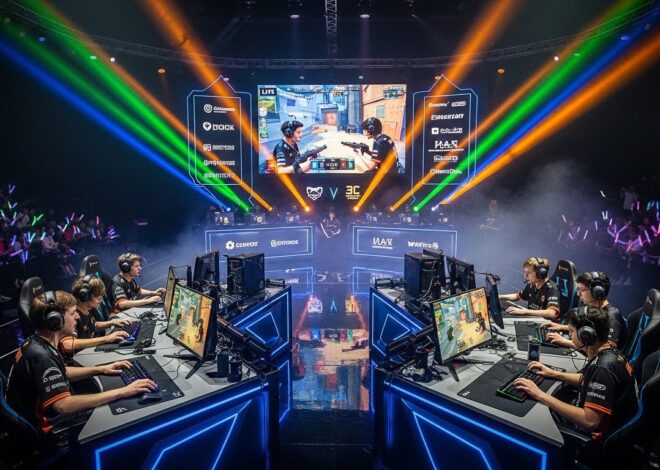
As esports grew in popularity, so did the structure of the industry. Today, esports is not just about the players; it’s a complex ecosystem with many moving parts, including professional teams, event organizers, sponsors, broadcasters, and game developers. The professionalization of esports has created an entirely new career path for players, coaches, analysts, and content creators.
Professional Esports Players and Teams
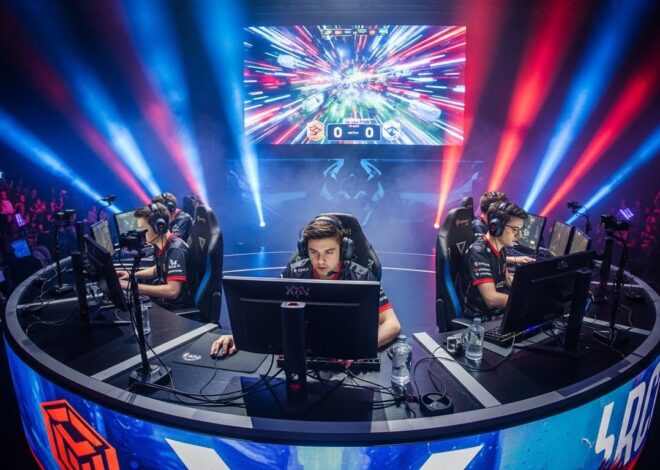
One of the most striking aspects of the esports revolution is the emergence of professional players. Just like in traditional sports, esports players dedicate countless hours to practice and develop their skills in order to compete at the highest level. For many top-tier players, esports is a full-time job that requires intense training, strategic thinking, and mental fortitude.
Esports teams have also become major brands in their own right. Teams like Team Liquid, Cloud9, FaZe Clan, and G2 Esports have garnered huge followings, thanks to their consistent success in major tournaments and their ability to build strong fan communities. These teams often sign players to multi-year contracts, provide them with coaching and training facilities, and support them in their competitive endeavors.
Sponsorships and Branding
Esports has attracted major sponsorships from a wide range of industries, from technology companies like Intel and Nvidia to beverage brands like Red Bull and Mountain Dew. These sponsorships are crucial to the financial health of the esports ecosystem, as they help fund tournaments, pay player salaries, and support team operations.
Brands have recognized that esports offers a unique opportunity to reach a young, tech-savvy audience. As a result, companies are willing to invest millions of dollars in partnerships and advertisements, helping to further legitimize esports as a mainstream form of entertainment.
Broadcasting and Streaming
Another key driver of esports’ success is its visibility through streaming platforms like Twitch, YouTube Gaming, and Facebook Gaming. These platforms allow fans to watch live esports tournaments, follow their favorite players, and even engage with the gaming community in real time. The ability to stream events has democratized access to esports content, allowing fans to watch games from anywhere in the world.
Major esports events are now regularly broadcast on television and online, with huge viewership numbers. For example, the League of Legends World Championship regularly draws in millions of viewers, making it one of the most-watched events in the world. This global reach has turned esports into a form of entertainment that transcends geographical and cultural boundaries.
The Role of Game Developers in Esports
Game developers have played an instrumental role in the rise of esports. Titles like League of Legends, Counter-Strike, and Dota 2 are not just games; they are esports ecosystems in themselves. Developers have designed these games with competitive play in mind, providing players with balanced mechanics, regular updates, and built-in features that support esports tournaments.
Moreover, game developers are often responsible for organizing and funding major esports tournaments. For example, Valve organizes The International for Dota 2, one of the largest and most lucrative esports events in the world, while Riot Games handles the production of the League of Legends World Championship.
As esports continues to grow, game developers will remain central to its development, ensuring that competitive play remains fresh and engaging for players and fans alike.
The Future of Esports: A New Era of Entertainment
As we look toward the future, there are several exciting trends emerging in the world of esports. Here are a few key developments that could shape the next decade of competitive gaming.
Esports as a Mainstream Sport
Esports is already on its way to becoming as mainstream as traditional sports. Several universities now offer scholarships for esports players, and some even have esports programs and facilities dedicated to training the next generation of professional players. In some countries, esports is even being considered for inclusion in the Olympics, further blurring the line between gaming and traditional sports.
Virtual Reality and Esports
One of the most exciting innovations in the world of esports is the development of virtual reality (VR) and augmented reality (AR) technologies. These technologies have the potential to completely transform the esports experience, allowing players and fans to immerse themselves in a fully interactive digital environment. While VR esports is still in its infancy, it’s clear that the technology will play a major role in the future of competitive gaming.
The Rise of Mobile Esports
Another emerging trend is the rise of mobile esports. Mobile gaming has exploded in popularity, especially in regions like Southeast Asia and India, where mobile devices are more accessible than gaming PCs or consoles. Games like PUBG Mobile and Free Fire have already hosted major esports tournaments, and we can expect mobile esports to continue growing in both scale and importance.
Continued Integration with Mainstream Media
Esports will continue to become more integrated with traditional forms of entertainment. This could mean more esports events on television, collaboration with Hollywood to produce documentaries or movies about professional gamers, or even the development of esports-based TV shows. The potential for cross-industry collaboration is enormous, and it will likely become an even more prominent feature of the esports landscape in the coming years.
Conclusion: Esports’ Bright Future
Esports has come a long way since its humble beginnings, and it shows no signs of slowing down. With growing investments, increasing mainstream recognition, and technological innovations, esports is poised to become an even more dominant force in the entertainment world. Whether you’re a player, fan, or industry professional, it’s clear that esports has a bright future ahead, and it will continue to shape the way we think about entertainment for years to come.
The world of competitive gaming is no longer just a hobby; it’s a global phenomenon. As the industry matures and evolves, there will be endless opportunities for those who wish to be part of this exciting new era of entertainment. So, whether you’re looking to compete, watch, or simply stay informed, esports is here to stay—and it’s only going to get bigger from here.