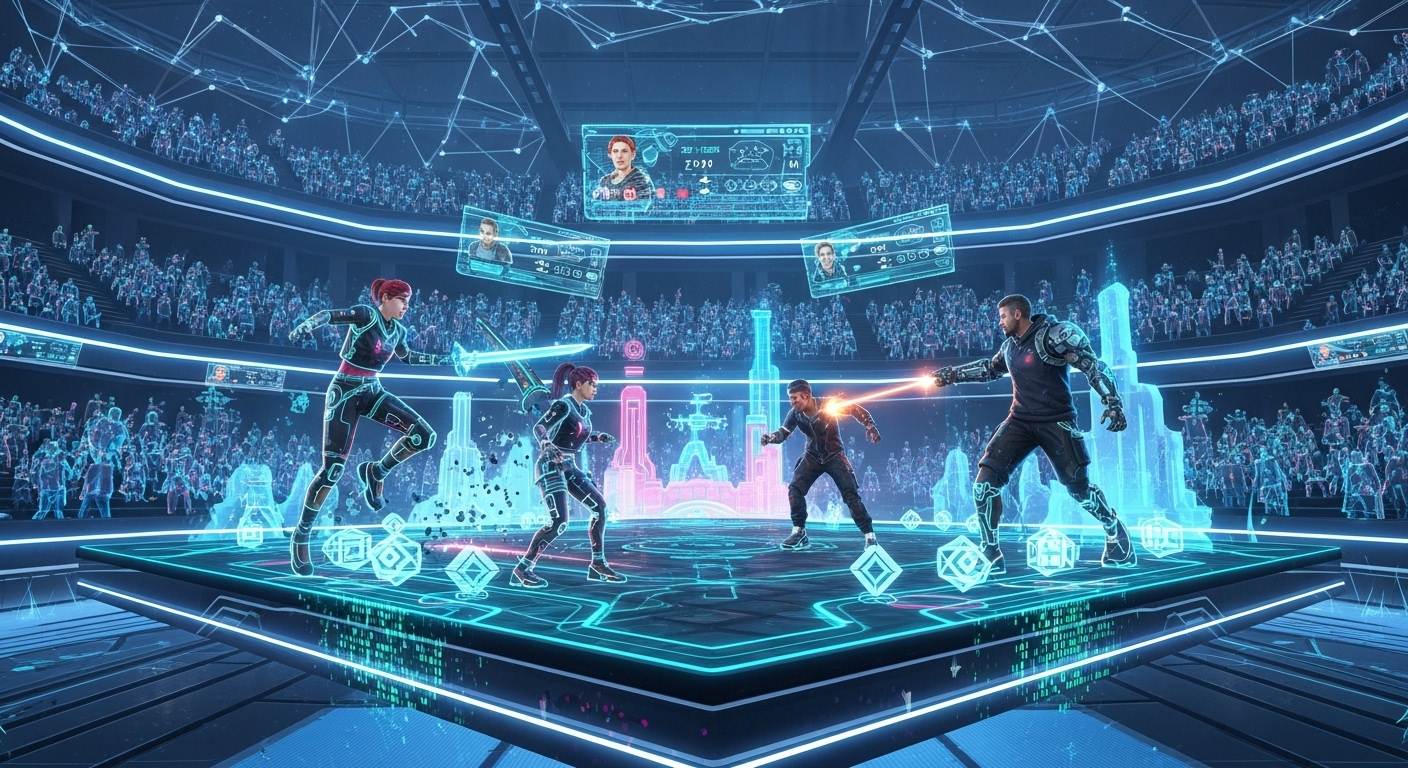
The Rise of Esports: From Niche Hobby to Global Phenomenon
Introduction
A few decades ago, the idea of people gathering to watch others play video games might have sounded odd. Games were seen as a pastime, not a profession. Yet today, esports has become one of the fastest-growing entertainment industries in the world. Millions of fans tune in to watch tournaments, players sign sponsorship deals worth millions, and universities offer scholarships for competitive gaming.
Esports—short for “electronic sports”—has transformed from underground LAN parties into massive global events that rival traditional sports in both scale and revenue. This evolution didn’t happen overnight. It’s the product of passion, technology, and a new generation of fans who see gaming as more than just play—it’s a lifestyle, a career, and a culture.
The Early Days of Competitive Gaming
The origins of esports trace back to the late 1970s and early 1980s. Back then, video games were limited to arcades and home consoles like the Atari 2600. Yet competition was already in the air. In 1980, Atari held the first known major video game tournament, the Space Invaders Championship, which attracted more than 10,000 participants across the United States.
As technology improved, PC gaming and local area network (LAN) parties became the heart of competitive gaming culture. Players gathered in basements, schools, and small venues to battle in games like Doom, Quake, and StarCraft. These were grassroots events, built by communities rather than corporations.
In South Korea, internet cafés known as “PC bangs” helped birth a massive competitive gaming scene in the late 1990s. StarCraft: Brood War became a national sensation. Professional players were treated like celebrities, and games were even broadcast on TV. This was the first sign that esports could be something much bigger.
The 2000s: Foundations of the Modern Esports Era
The early 2000s were a turning point. As high-speed internet became more accessible, online multiplayer gaming exploded. Titles like Counter-Strike, Warcraft III, and Halo brought players together across continents.
Tournaments became more organized. Companies like Major League Gaming (MLG), the Cyberathlete Professional League (CPL), and the Electronic Sports World Cup (ESWC) began hosting structured competitions with real cash prizes. These organizations gave esports a professional framework similar to traditional sports leagues.
Meanwhile, streaming platforms were starting to appear. Before Twitch and YouTube, early streaming was clunky and unreliable. But even then, the potential was obvious—millions of people wanted to watch others play games, and the internet could make that happen.
The Streaming Revolution
If the 2000s laid the foundation, the 2010s built the skyscraper. The rise of Twitch, YouTube Gaming, and other live-streaming services changed everything. For the first time, anyone could watch tournaments or follow their favorite players from anywhere in the world.
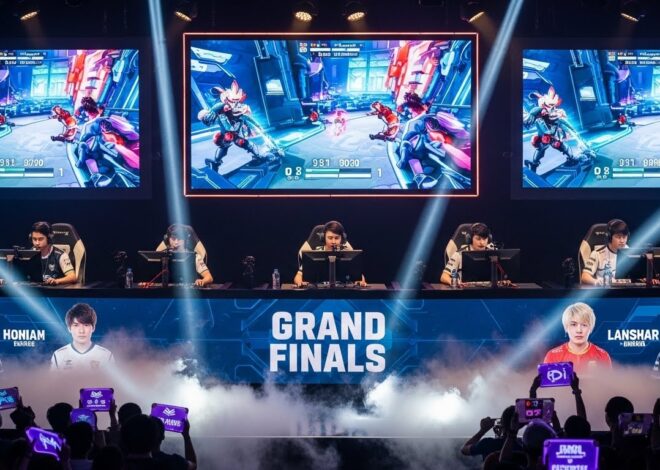
This accessibility turned esports into a global spectacle. Millions tuned in for events like The International (Dota 2), League of Legends World Championship, and Fortnite World Cup. Players became influencers, teams became brands, and fans found communities that spanned continents.
Streaming also created a new kind of relationship between players and audiences. Fans could interact directly with pros through chat, donations, and social media. It blurred the line between spectator and participant, making esports more personal and engaging than most traditional sports broadcasts.
The Business of Esports
Behind the flashing lights and roaring crowds, esports is a serious business. Industry reports estimate that global esports revenue has surpassed the billion-dollar mark, driven by sponsorships, advertising, ticket sales, and merchandise.
Big brands like Coca-Cola, Intel, and Mercedes-Benz have invested heavily in the scene. Esports events now fill arenas like Madison Square Garden and the Staples Center, venues once reserved for basketball and concerts.
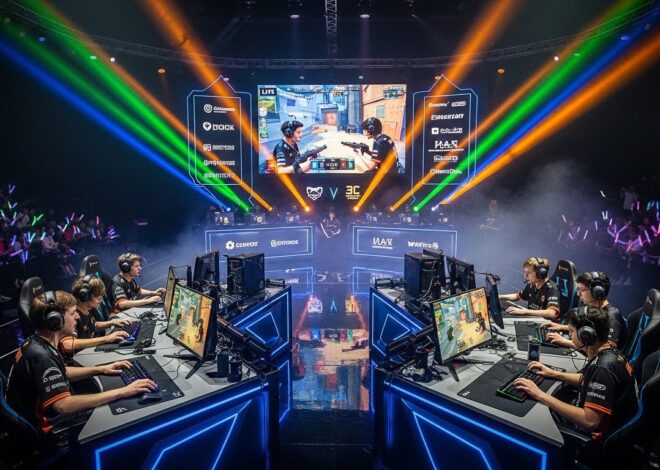
Organizations operate much like traditional sports teams. They sign players, hire coaches, run training facilities, and secure sponsorship deals. Games like League of Legends, Valorant, Overwatch, and Call of Duty each have structured leagues, complete with regular seasons and playoffs.
Prize pools have grown dramatically too. Valve’s The International regularly offers over $30 million in winnings, much of it crowdfunded by the community. The Fortnite World Cup handed out similar sums to teenage competitors, proving that esports can create millionaires overnight.
The Players: Athletes in Their Own Right
One of the biggest debates in esports is whether gamers should be considered athletes. While the physical aspect differs from traditional sports, the mental and technical demands are just as intense.
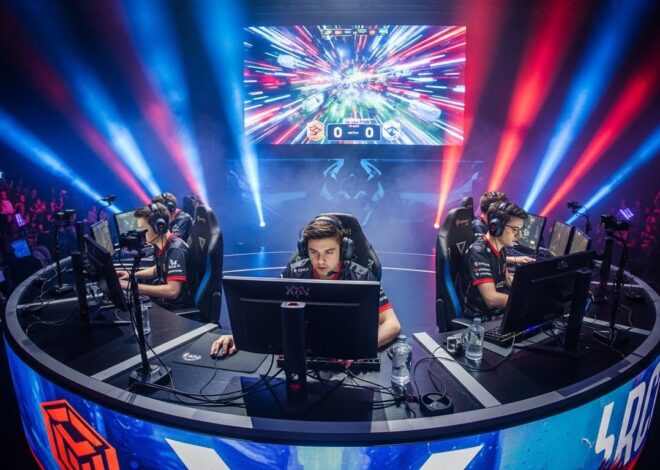
Professional players train for eight to twelve hours a day, practicing strategies, refining reflexes, and maintaining peak focus. Reaction times are measured in milliseconds. Coordination between team members must be flawless. Mental stamina is critical—one lapse in concentration can cost a championship.
Many teams also employ nutritionists, sports psychologists, and physical trainers to help players manage stress, avoid burnout, and maintain health. Just like in football or basketball, the best players are those who combine natural talent with discipline and teamwork.
The Global Reach of Esports
Esports isn’t limited by geography. Unlike traditional sports, where leagues are often regional, esports connects players and fans from every corner of the globe.
South Korea remains a powerhouse, particularly in games like League of Legends and StarCraft. China has built enormous esports stadiums and dominates viewership numbers. Europe produces elite teams across multiple titles, while North America continues to expand its professional infrastructure.
Emerging regions are joining fast. Southeast Asia, Brazil, and the Middle East are all developing strong competitive scenes, supported by governments and investors who see esports as an opportunity for youth engagement and economic growth.
This global reach also makes esports culturally diverse. Broadcasts are translated into dozens of languages, and tournaments celebrate international talent. It’s one of the few sports where fans from vastly different backgrounds can cheer for the same team in real time.
Technology: The Engine Behind the Growth
Esports could not exist without technology. The same innovations that drive the gaming industry—powerful graphics cards, high-speed internet, and streaming platforms—also fuel its competitive side.
Modern esports rely on servers that can handle massive data loads with minimal lag. Game developers continuously optimize performance to ensure fair competition. Streaming technology ensures smooth, high-quality broadcasts that rival traditional television.
Virtual reality and augmented reality are also entering the picture. Developers are experimenting with immersive spectator modes, allowing fans to watch matches as if they’re standing inside the game. Artificial intelligence is being used for player analysis, helping teams develop smarter strategies.
As technology continues to evolve, esports will likely expand into new formats and experiences that push the limits of what “watching a game” even means.
Esports in Education
One of the most surprising areas of esports growth has been in education. Schools and universities around the world are now offering esports programs, clubs, and even scholarships.
Colleges in North America, Europe, and Asia recognize the value of gaming as both an academic and career path. Students learn not only how to play but also how to manage teams, design games, produce broadcasts, and market events.
Esports teaches many transferable skills—communication, problem-solving, critical thinking, and teamwork. For students who might not fit into traditional sports, it provides a sense of belonging and accomplishment.
At the high school level, esports is also seen as a way to engage students who are passionate about gaming while guiding them toward careers in technology, design, and media.
Esports and the Media
Mainstream media has taken notice. Once dismissed as a niche interest, esports now receives coverage from major outlets, sports networks, and entertainment companies. ESPN, BBC, and other broadcasters have aired tournaments and produced documentaries about players’ journeys.
Film and television have also started exploring gaming culture. Dramas, comedies, and documentaries highlight the competitive spirit, friendships, and struggles within the esports world.
Social media platforms like X, Instagram, and TikTok have become essential tools for players and teams to connect with fans. Clips of incredible plays or emotional wins can go viral overnight, helping to grow the audience far beyond traditional gaming circles.
Challenges and Criticisms
Despite its success, esports faces challenges. One major concern is player burnout. The intense training schedules and constant pressure can lead to mental and physical fatigue. Some players retire in their early twenties due to stress or injury.
Another issue is regulation. Because esports spans multiple countries and games, there’s no universal governing body. This makes it difficult to enforce consistent rules around contracts, cheating, and player welfare.
Toxicity and harassment are also persistent problems, both in online communities and within the industry. Many organizations are now taking steps to create safer environments and promote inclusivity, but there’s still progress to be made.
Finally, there’s the question of sustainability. Esports relies heavily on sponsorship and streaming revenue. For long-term stability, the industry will need to diversify income sources, possibly through merchandising, ticketed events, and franchising.
The Cultural Impact of Esports
Esports isn’t just about competition—it’s a cultural movement. Gaming has become a shared language for millions, bridging gaps between countries, genders, and generations.
The aesthetics of esports—its fashion, slang, and digital lifestyle—are influencing music, art, and entertainment. Rappers wear team jerseys; brands collaborate with game developers on limited-edition products; and esports athletes appear in mainstream advertising campaigns.
Conventions and festivals bring fans together in real life, celebrating everything from cosplay to fan art to developer panels. The line between “gamer” and “spectator” continues to blur, making esports both a sport and a social phenomenon.
Esports During the Pandemic
When the world shut down in 2020, traditional sports came to a halt. Stadiums went dark, seasons were suspended, and fans stayed home. Esports, however, adapted almost instantly.
With everything already digital, tournaments moved online. Viewership soared as people looked for entertainment during lockdowns. Professional players competed from home setups, and even traditional sports organizations launched esports divisions to stay connected with fans.
The pandemic proved that esports isn’t dependent on physical venues. It highlighted the flexibility and resilience of the digital sports ecosystem.
Women in Esports
Historically, gaming has been male-dominated, but that’s changing. More women are entering esports as players, commentators, managers, and organizers.
All-female teams and mixed-gender tournaments are becoming more common. Esports organizations are realizing the importance of inclusivity and representation. Prominent female players have become role models, inspiring a new generation of gamers.
Still, challenges remain. Harassment and underrepresentation persist in many areas, but initiatives and advocacy groups are working hard to make esports a space where everyone can thrive.
The Future of Esports
The future of esports looks bright and boundless. As technology continues to evolve, so will the experience for players and fans alike.
In the next decade, expect to see deeper integration with virtual and augmented reality, giving spectators immersive front-row experiences. Artificial intelligence will help analyze games in real time, creating smarter commentary and training systems.
Traditional sports organizations will likely deepen their involvement, blurring the distinction between physical and digital competition. Cities will continue to build dedicated esports arenas, and international tournaments may one day be as culturally significant as the Olympics.
Perhaps most importantly, esports will keep shaping how we think about competition, entertainment, and community in the digital age.
Conclusion
Esports has come a long way from the days of arcade cabinets and LAN parties. It’s no longer a subculture—it’s a global industry that blends technology, entertainment, and human connection in powerful ways.
What makes esports truly remarkable isn’t just the skill of its players or the size of its audiences. It’s the sense of possibility it represents. It shows that passion, when combined with technology and creativity, can transform hobbies into careers and communities into movements.
As we look to the future, esports will continue to evolve, inspire, and redefine what it means to play, to compete, and to belong.