The Rise of Esports: From Niche Hobby to Global Phenomenon
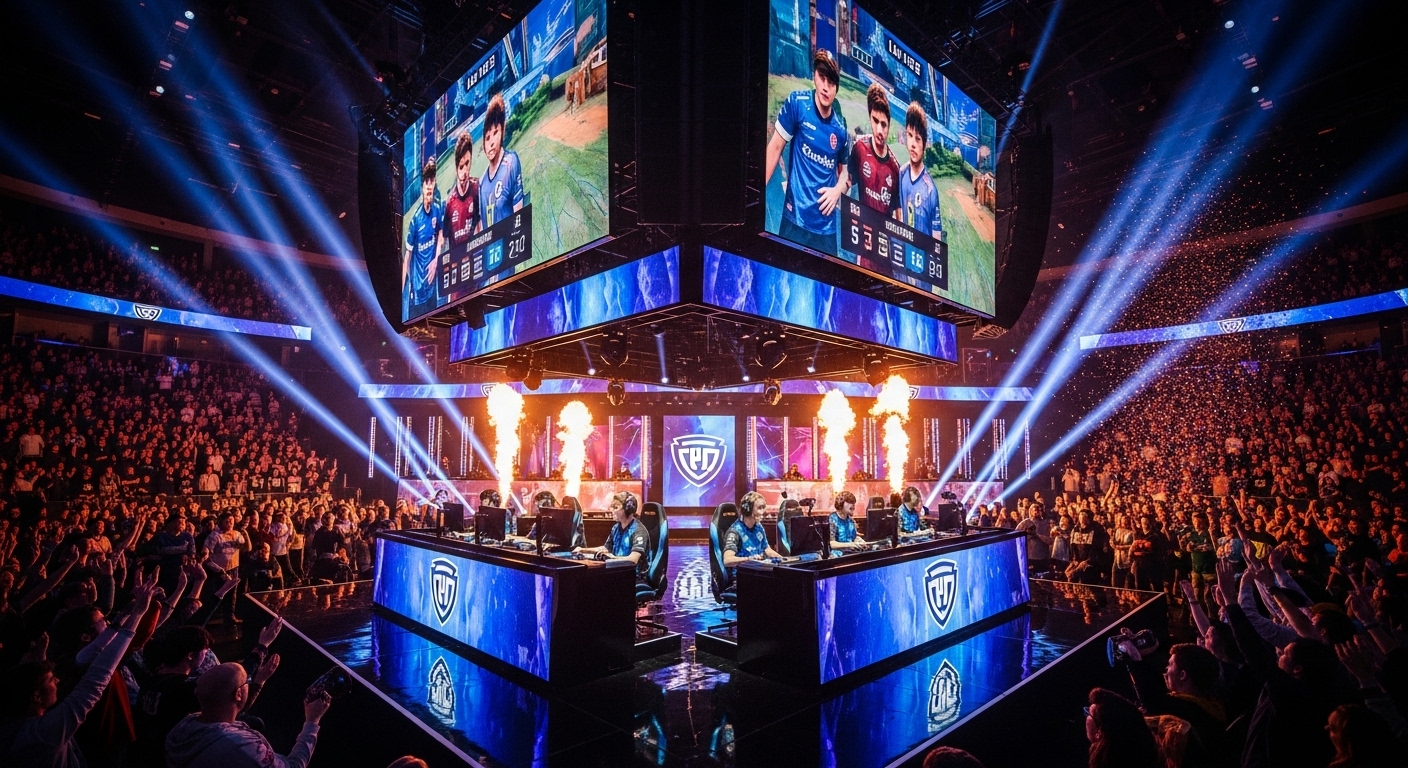
Esports, the competitive side of video gaming, has experienced an unprecedented rise in popularity over the past two decades. Once a niche hobby, it has grown into a billion-dollar industry, attracting millions of viewers, professional players, sponsors, and media coverage. The evolution of esports has been driven by the intersection of technology, culture, and a growing passion for gaming. In this blog post, we’ll explore the meteoric rise of esports, its impact on global entertainment, the structure of competitive gaming, and what the future holds for this exciting and dynamic industry.
The Birth of Esports: From LAN Parties to Online Competitions
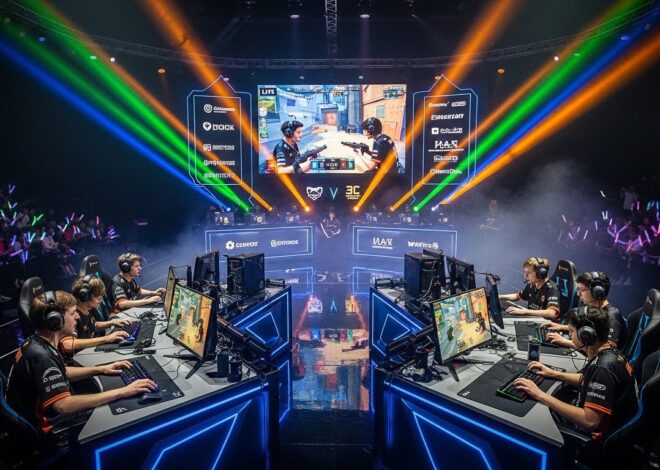
Esports traces its roots back to the early days of online gaming when competitive play was largely confined to small gatherings and local-area network (LAN) parties. In the late 1990s and early 2000s, multiplayer online games such as StarCraft, Quake, and Counter-Strike allowed players to compete against each other over the internet. These early games became the foundation for competitive gaming, and LAN parties—events where players gathered in person to play games locally—became a breeding ground for competitive gaming culture.
The first notable organized esports event was the Red Annihilation tournament in 1997, which was held for the game Quake. The tournament attracted hundreds of players and viewers, setting the stage for future competitions. Over the next few years, more tournaments followed, and the concept of esports as a formal competition began to take shape. The real breakthrough came with the advent of broadband internet, which allowed for faster and more reliable online play. This created an environment where tournaments could be held globally, and esports began to reach a wider audience.
In the early 2000s, games like Warcraft III and StarCraft: Brood War saw the first real signs of esports as we know it today. These games featured competitive ladders, leagues, and tournaments that attracted serious players. The Korean gaming scene, in particular, became a hotspot for esports, with StarCraft tournaments being broadcasted on national television. The success of these early events demonstrated the potential for competitive gaming to transition from a hobby to a legitimate sport.
The Explosion of Online Streaming: Bringing Esports to the Masses
As esports grew in popularity, so did the demand for accessible content. This demand was met with the rise of streaming platforms, most notably Twitch. Launched in 2011, Twitch provided a platform where gamers could live-stream their gameplay and tournaments to an audience of millions. It quickly became the go-to site for watching competitive gaming, and its success helped cement esports as a mainstream form of entertainment.
Streaming platforms allowed fans to watch their favorite players and teams in real-time, making esports more accessible and interactive than ever before. Viewers could not only watch tournaments but also engage with the streamers through chat, donate money, and even participate in sponsorships and partnerships. This level of interactivity between players and fans set esports apart from traditional sports and helped build a dedicated community of followers.
Esports organizations and tournament organizers also capitalized on streaming by broadcasting major tournaments like The International (for Dota 2), League of Legends World Championship, and Overwatch League. These events attracted millions of viewers, many of whom were watching from home or through their mobile devices. Streaming allowed esports to break down geographical barriers, enabling fans from all over the world to watch high-level competition without leaving their homes. It also helped create a more global community, as players from different countries competed against each other and showcased their skills to an international audience.
Esports as a Global Industry: The Business of Competitive Gaming
Today, esports is a massive industry, with revenues estimated in the billions. Major tournaments can attract viewership numbers rivaling those of traditional sports events, and the industry has seen substantial investment from both tech giants and traditional sports organizations. The primary revenue streams in esports come from sponsorships, media rights, advertising, merchandise sales, and ticket sales for live events. Brands from outside the gaming industry, including Coca-Cola, Intel, Red Bull, and Samsung, have become major sponsors of esports events and teams, further legitimizing esports as a form of mainstream entertainment.
Esports organizations, such as Team Liquid, Cloud9, and FaZe Clan, have emerged as professional entities that manage teams and players across multiple games. These organizations operate much like traditional sports teams, with coaches, analysts, and support staff working behind the scenes to ensure the team’s success. These organizations also sign lucrative sponsorship deals, create branded merchandise, and promote their players on social media. They are not just about competition; they are fully-fledged businesses with significant influence in the world of gaming and entertainment.
Furthermore, the esports industry has given rise to a new breed of celebrities. Professional players such as Faker (Lee Sang-hyeok), Ninja (Tyler Blevins), and Shroud (Michael Grzesiek) have become household names in the gaming world. Their fame has transcended gaming communities, with many players gaining sponsorship deals, streaming contracts, and even mainstream media appearances. This has helped elevate esports to the level of traditional sports, where players are not only respected for their skill but also for their influence and brand power.
The Structure of Esports: Games, Leagues, and Tournaments
The structure of esports is complex and varied, with different games, leagues, and tournaments that cater to different audiences and types of players. Esports is not dominated by a single game but rather a collection of titles, each with its own competitive scene and fanbase.
Some of the most popular esports titles include League of Legends, Dota 2, Counter-Strike: Global Offensive, Fortnite, Overwatch, and Valorant. Each of these games has its own set of rules, mechanics, and strategies, creating a rich and diverse competitive ecosystem. League of Legends, for example, is a multiplayer online battle arena (MOBA) game where teams of five players battle to destroy the enemy’s base. Counter-Strike: Global Offensive (CS:GO) is a tactical first-person shooter (FPS) that focuses on teamwork and strategy, while Fortnite is a battle royale game that emphasizes individual skill and survival.
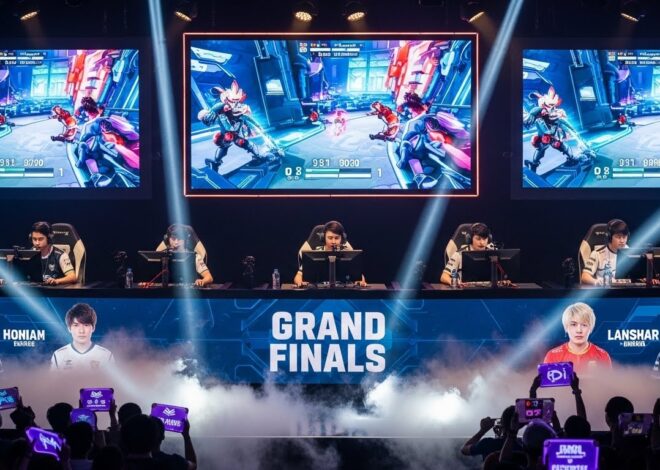
Esports tournaments are often organized by both game developers and independent organizers, with the most prestigious events offering millions of dollars in prize money. The League of Legends World Championship, for example, has a prize pool of over $2 million, while The International for Dota 2 regularly boasts prize pools in the tens of millions. These tournaments attract the best players in the world and are broadcasted globally, often with commentary, analysis, and hype similar to traditional sports broadcasts.
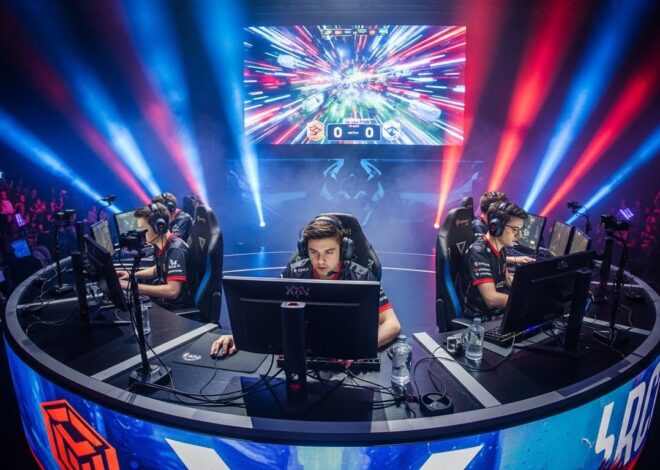
In addition to standalone tournaments, there are also professional leagues that provide a consistent and structured competitive environment. For example, the Overwatch League is a city-based league where teams from around the world compete in regular-season matches, culminating in playoffs and finals. Similarly, Call of Duty has its own league, and Rainbow Six Siege has the Pro League. These leagues mirror traditional sports leagues like the NFL or NBA, with franchises, regular seasons, and playoff systems.
The Role of Fans and Community in Esports
One of the most unique aspects of esports is the level of engagement and passion demonstrated by its fanbase. Fans are not just passive consumers; they actively participate in the esports ecosystem. Whether through streaming platforms like Twitch, social media, or forums, esports fans are deeply involved in every aspect of the scene, from following the careers of individual players to discussing strategy and sharing fan art.
Esports fans also contribute to the success of tournaments by attending live events, purchasing merchandise, and supporting their favorite teams and players through crowdfunding campaigns. The fans’ enthusiasm and support have become a critical component of the esports industry’s growth, and many professional players and organizations maintain close relationships with their communities.
Moreover, the global nature of esports means that fans can connect with others from around the world, regardless of language or culture. Esports transcends borders, bringing together people with a shared love of gaming and competition. This sense of community and camaraderie is one of the key factors that differentiate esports from traditional sports and help fuel its rapid growth.
The Future of Esports: A Global and Mainstream Sport
As esports continues to grow, its future looks incredibly promising. With larger audiences, increased investment, and growing mainstream recognition, esports is poised to become a permanent fixture in the global entertainment landscape. Some experts predict that esports could eventually be included in major sporting events like the Olympics, further cementing its place in the world of sports.
The technological advancements in virtual reality (VR) and augmented reality (AR) are also likely to have a significant impact on esports. As these technologies become more mainstream, they could lead to entirely new forms of competitive gaming, offering fans even more immersive and interactive experiences.
Esports is also poised to expand into new markets, especially in regions like Asia, Latin America, and Africa, where gaming culture is rapidly gaining traction. As the infrastructure for esports events and tournaments continues to grow globally, the accessibility and appeal of competitive gaming will only increase.
Conclusion: Esports as the Future of Entertainment
Esports has come a long way since its humble beginnings in local LAN parties and small online competitions. Today, it stands as a global phenomenon, driven by technology, culture, and an ever-growing fanbase. With massive prize pools, global tournaments, professional leagues, and an expanding market, esports is not only a major force in the gaming industry but also a key player in the entertainment world.
As esports continues to evolve and attract new players, fans, and sponsors, it’s clear that competitive gaming is here to stay. Whether you’re a casual viewer or a dedicated fan, the world of esports offers something for everyone, from intense competition and high-stakes