
The Rise of Esports: How Competitive Gaming Became a Global Phenomenon
Introduction: The Birth of a New Era in Entertainment
Esports, or electronic sports, has become one of the most exciting and rapidly growing industries in the world. What once began as casual gaming in basements and living rooms has evolved into a multi-billion-dollar global phenomenon. With packed arenas, international tournaments, professional teams, and millions of fans, esports is now an established force in the entertainment landscape. But what exactly is driving the rise of esports, and how did competitive gaming become such a major player in the world of sports and entertainment?
Esports represents a fusion of video games, competition, and performance at the highest level. Unlike traditional sports, it relies on skills such as strategy, teamwork, quick reflexes, and mental agility. Esports athletes, or professional gamers, spend hours honing their craft, just as traditional athletes would train for their respective sports. What once was considered a niche hobby has transformed into a vibrant, multi-faceted industry with a global audience.
The Origins of Esports: From Arcade Competitions to Global Tournaments
The concept of competitive gaming dates back to the early 1970s. The first known video game competition, called the “Intergalactic Spacewar Olympics,” took place at Stanford University in 1972. Players competed in the game Spacewar!, and while the event was small and relatively insignificant at the time, it marked the beginning of what would later become a global competitive gaming scene.
In the 1990s, the rise of arcade games and early personal computers set the stage for more structured competitive gaming. Titles like Street Fighter, Doom, and Warcraft helped shape the landscape for future esports tournaments. Players from around the world began to organize informal competitions, paving the way for the first large-scale tournaments in the late 1990s and early 2000s.
One of the earliest major esports tournaments was the Cyberathlete Professional League (CPL), which launched in 1997 and brought together top-tier players for competitive gaming events. The 2000s saw the introduction of major tournaments like The International (a Dota 2 tournament) and StarCraft competitions, where players began to compete for substantial prize money. These tournaments marked the early growth of esports as a professional, organized activity.
The Growth of Esports: From a Niche Hobby to Mainstream Entertainment
The early days of esports were focused on grassroots competitions, but by the late 2000s and early 2010s, esports had begun to attract attention from major media outlets, sponsors, and investors. As gaming technology advanced and games became more complex, the demand for professional esports competitions surged. Games like League of Legends, Counter-Strike, Dota 2, and Overwatch began to dominate the esports scene, and these titles attracted millions of viewers from around the world.
Streaming platforms like Twitch and YouTube Gaming played a huge role in the rise of esports. These platforms allowed fans to watch live tournaments, follow their favorite players, and engage with the esports community. The availability of online streaming also helped introduce esports to a broader, more global audience, breaking down geographical barriers and allowing fans to watch tournaments in real-time, regardless of their location.
In addition to media exposure, esports gained legitimacy through increased investment from both private and corporate sectors. Major tech companies like Intel, Red Bull, and Coca-Cola began sponsoring tournaments and individual players, signaling a shift in how esports was perceived. These investments not only provided funding for events but also helped professionalize the scene, with esports organizations and teams emerging as serious competitors in the sports industry.
Esports as a Profession: The Emergence of Teams, Sponsorships, and Salaries
As esports grew, so did the professionalism of its players. Competitive gamers began to form teams with structured organizations, similar to traditional sports teams. These teams compete in various titles and leagues, and players are signed to contracts with salaries, bonuses, and sponsorships. Just as a football player or a basketball star might sign with a professional team, esports players began to receive contracts from organizations such as Team Liquid, Fnatic, and Cloud9.
The rise of esports teams brought about a new era in gaming. Players began to train full-time, practicing for hours each day to refine their skills and prepare for high-stakes tournaments. Esports athletes often undergo rigorous physical and mental training, focusing on reflexes, communication, and teamwork. Coaches, analysts, and team managers are now essential parts of esports organizations, further emphasizing the growing professionalism of the scene.
Sponsorships are a crucial component of esports’ growth. Just as traditional sports have sponsorships from brands and companies, esports players and teams receive financial support from a variety of industries. The presence of major sponsors has raised the profile of esports and attracted mainstream attention, with esports organizations negotiating lucrative deals with companies from tech, apparel, and consumer goods sectors.
The Global Impact of Esports: Bridging Cultures and Creating Communities
Esports is a truly global phenomenon, with players, fans, and organizations spanning across continents. Unlike traditional sports that are often regionally confined, esports has the unique ability to connect people from all over the world. International tournaments, such as The International for Dota 2 and League of Legends World Championships, draw massive audiences from every corner of the globe, creating a shared experience for millions of fans.
The global nature of esports has given rise to a diverse fanbase, and the international reach of tournaments helps foster a sense of community. Fans from different countries and cultures unite under the common love of gaming, creating a space where people can share experiences and passion regardless of their background. Esports has become an inclusive platform for individuals of all ages, genders, and races, offering a place to engage with others who share similar interests.
Additionally, esports provides players from underrepresented regions with the opportunity to shine on the global stage. Countries like South Korea, China, and Brazil have produced world-class esports athletes, and the rise of esports in developing countries has opened doors for talented players to make their mark in the industry. This global inclusivity and community-building aspect of esports has played a vital role in its explosive growth.
Esports Tournaments: The Heart of the Industry
Esports tournaments are the lifeblood of the industry. These events are where players and teams compete for glory, fame, and substantial prize money. The tournament scene is diverse, with competitions spanning a wide range of games, including League of Legends, Counter-Strike: Global Offensive, Dota 2, Fortnite, and Overwatch. Major tournaments often feature multimillion-dollar prize pools, attracting top-tier players from all over the world.
The International, the premier Dota 2 tournament, is one of the largest and most prestigious esports events globally, with prize pools reaching upwards of $40 million. The League of Legends World Championship is similarly massive, drawing millions of viewers and offering substantial prize money. These tournaments are broadcast across multiple platforms and often feature elaborate live production, complete with commentators, analysts, and immersive visuals.
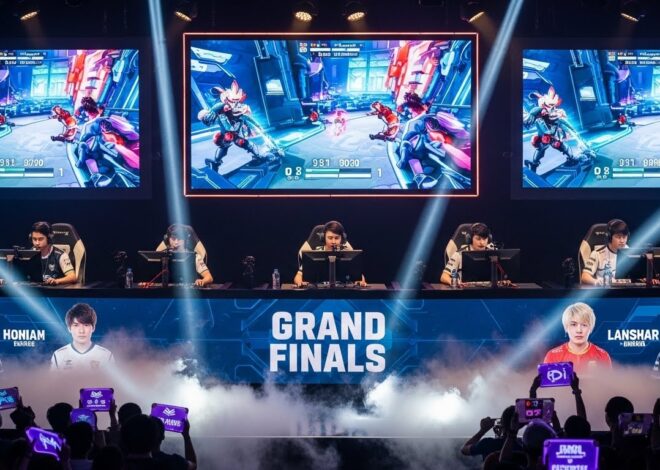
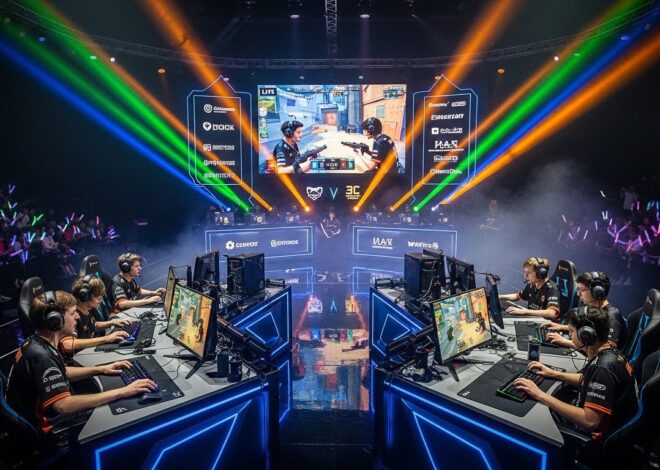
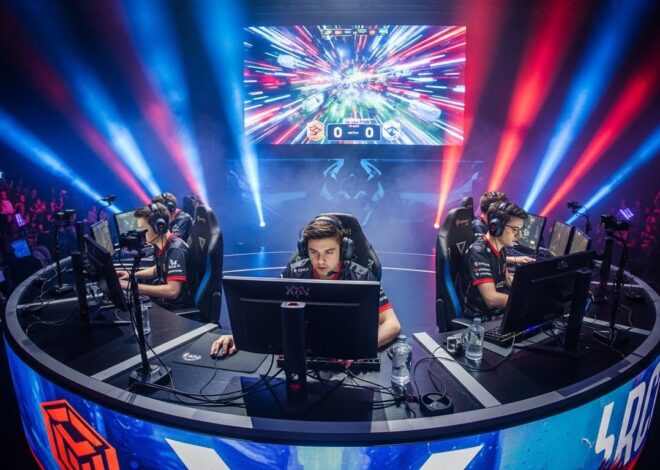
Esports events are not just about the games—they are about the experience. Live audiences pack stadiums to watch the action unfold, while millions of fans tune in online to cheer for their favorite players. These events bring together the esports community, creating a shared excitement and anticipation that rivals traditional sports.
The Future of Esports: A Bright Horizon
The future of esports looks incredibly promising. With an ever-expanding audience, growing investment, and increasing legitimacy, esports is poised to continue its rise in popularity and influence. One of the key factors in the continued success of esports is its integration into the broader entertainment industry.
We are likely to see more mainstream media outlets covering esports, more sponsorships from traditional sports companies, and even more opportunities for esports athletes to turn professional. Esports has already begun to expand beyond its digital roots, with live broadcast deals, exclusive partnerships with TV networks, and even esports arenas being built to host major events.
Furthermore, the continued advancement of technology will only serve to enhance the esports experience. Virtual reality, augmented reality, and 5G networks will enable even more immersive and interactive experiences for both players and fans. The esports ecosystem will continue to evolve, with new games, formats, and technologies emerging to keep fans engaged.
Conclusion: Esports – A Game-Changer for the Entertainment World
Esports has come a long way from its humble beginnings. It has transformed from a niche hobby into a global industry that competes with traditional sports in terms of viewership, investment, and cultural impact. Esports is now recognized as a legitimate profession, offering athletes the chance to pursue their passion while making a living.
The rise of esports has also opened up new opportunities for fans, sponsors, and content creators, creating a thriving ecosystem that continues to grow and evolve. As technology advances and esports becomes even more integrated into mainstream entertainment, we can expect even bigger tournaments, more professional leagues, and an expanding global community.
Esports is no longer just a game—it is a cultural force that is shaping the future of entertainment, and its potential seems limitless. Whether you’re a player, a fan, or a casual observer, the world of esports offers something for everyone, and it’s clear that this phenomenon is here to stay.