The Rise of Esports: How Competitive Gaming is Shaping the Future of Entertainment
Introduction
In the past decade, esports has grown from a niche hobby into a global phenomenon. Competitive video gaming, once an activity confined to basement tournaments and casual online matches, is now a multibillion-dollar industry, with professional players, massive global tournaments, and a passionate fanbase spanning every corner of the globe. What was once viewed as a subculture has become a mainstream entertainment powerhouse, rivaling traditional sports in viewership, sponsorship, and media coverage. But what exactly is driving the rise of esports, and what does its growth mean for the future of entertainment? This blog post explores the meteoric rise of esports, examining its origins, current state, and the factors that are shaping its future.
The Origins of Esports: From Arcade Competitions to Global Leagues
The roots of esports can be traced back to the early days of video gaming in the 1970s and 1980s, when competitive gaming was first introduced in arcades. The first recorded gaming competition took place in 1972 at Stanford University, where students competed in a Spacewar tournament. Though small in scale, this event marked the beginning of a competitive gaming culture. As gaming consoles became more popular in the 1980s and 1990s, video game tournaments began to emerge, with titles like Street Fighter II, Super Smash Bros., and Quake leading the way.
The real turning point for esports came in the late 1990s and early 2000s with the advent of online multiplayer gaming. Titles such as StarCraft, Warcraft III, and Counter-Strike became the foundation of competitive gaming, as players from around the world could compete against each other from their own homes. This shift to online play allowed esports to expand beyond local tournaments and reach a global audience.
In 2000, South Korea became one of the first countries to fully embrace esports as a legitimate form of entertainment. The rise of StarCraft in South Korea led to the establishment of professional esports leagues, with players becoming national celebrities. The growth of esports in South Korea laid the groundwork for the global esports culture that would eventually emerge.
The Explosion of Esports: Global Leagues and Professionalization
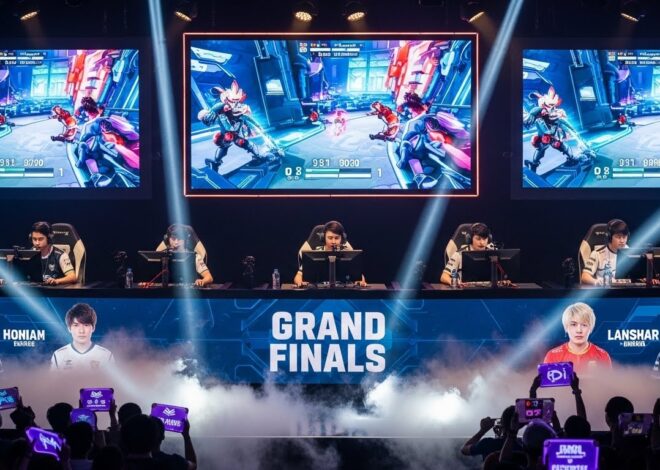
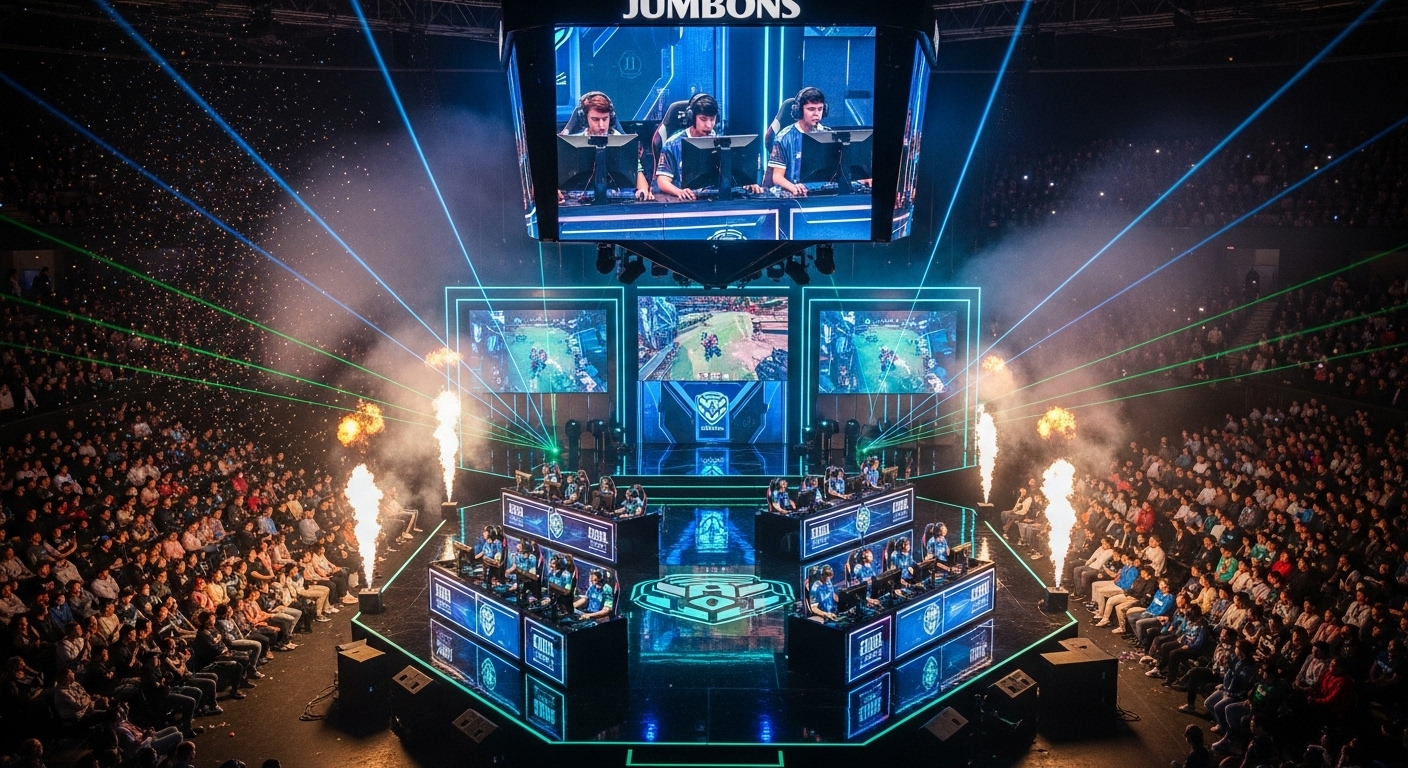
The true explosion of esports began in the 2010s, when the industry shifted from grassroots tournaments to fully professional leagues with lucrative sponsorships, broadcast deals, and large-scale live events. A key factor in this growth was the rise of digital platforms like Twitch and YouTube, which allowed gamers to stream their gameplay to a global audience. As more people tuned in to watch their favorite players and teams compete, esports began to attract sponsorships from major brands and advertisers, transforming it into a business.
One of the earliest examples of esports becoming a global spectacle was the creation of the League of Legends World Championship. First held in 2011, this annual event quickly grew into one of the largest and most-watched esports tournaments in the world. With millions of viewers watching the finals live on streaming platforms, the event drew the attention of mainstream media and large corporations, signaling the entry of esports into the big leagues. Similarly, the Dota 2 International tournament, which boasts one of the largest prize pools in all of esports, further solidified the global appeal of competitive gaming.
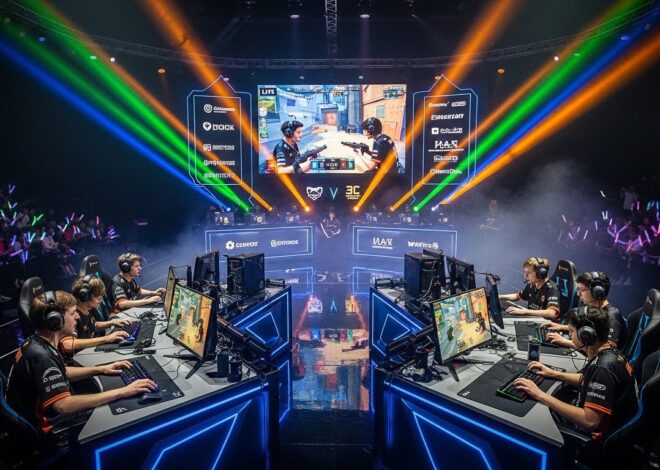
The success of these events led to the creation of professional leagues in other games. The Overwatch League (OWL) launched in 2018, offering players salaried contracts and creating a league format similar to traditional sports. Other titles, such as Fortnite, Call of Duty, and CS:GO, also established competitive scenes that were supported by professional organizations and major brands. Esports organizations like Cloud9, T1, and FaZe Clan emerged, creating teams of professional players who compete in tournaments and leagues, much like professional athletes in traditional sports.
The Esports Audience: Who Are the Fans?
One of the most compelling aspects of esports is its ability to connect with a younger, digitally native audience. The average age of esports fans is significantly younger than that of traditional sports fans, with a majority of viewers between the ages of 18 and 34. This demographic is more likely to engage with digital content and less inclined to watch traditional sports on television. For brands and advertisers, this younger audience represents a highly desirable market, as they are more likely to spend money on gaming-related products, digital subscriptions, and in-game purchases.
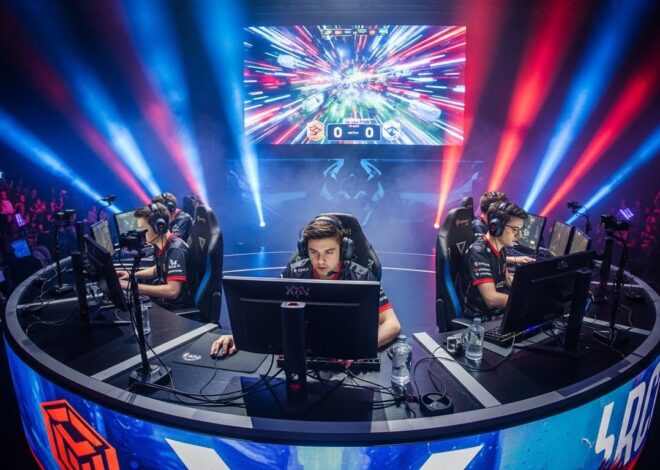
Esports fans also tend to be highly engaged with the content they consume. Unlike traditional sports fans, who may watch a game once a week or tune in to major events, esports fans watch live streams and follow their favorite teams and players on a daily basis. Platforms like Twitch and YouTube allow fans to interact with players and streamers in real time, building a sense of community around esports events. Esports fans are not just passive viewers—they are active participants in the ecosystem, often engaging with players on social media, watching practice streams, and attending live tournaments.
The global nature of esports further contributes to its massive audience. While traditional sports tend to be regionally focused, esports attracts fans from all over the world, as players and teams compete against each other in global tournaments. Esports is not bound by geographic or cultural barriers, making it one of the most inclusive forms of entertainment in the world today.
Esports as a Career: The Rise of Professional Gamers
As esports has grown in popularity, so too has the opportunity for players to make a career out of competitive gaming. In the past, professional gamers were seen as outliers—people who managed to turn their passion for gaming into a job. Today, however, esports athletes are treated like professional athletes in traditional sports, with sponsorships, contracts, salaries, and prize money that can rival those of any professional sports league.
In addition to playing professionally, many esports players have expanded their careers into streaming, content creation, and influencer marketing. Top-tier players can earn significant amounts of money not only from tournament winnings but also from sponsorship deals, merchandise sales, and donations from fans. Esports organizations like Cloud9, Team Liquid, and G2 Esports have professionalized the industry, providing players with coaching, team management, and resources to succeed at the highest level.
While competitive gaming may seem like a young person’s game, the path to becoming a professional esports player requires years of dedication, training, and strategic thinking. Much like traditional athletes, esports players have to spend hours honing their skills, studying game mechanics, and developing teamwork and communication strategies. The physical and mental demands of competitive gaming are significant, with players often training for 8-10 hours a day to stay competitive.
The Impact of Esports on Traditional Sports
As esports continues to grow, its influence on traditional sports is becoming more evident. Many professional sports teams and organizations have begun to take notice of esports’ massive popularity and the younger, tech-savvy audience it attracts. Major sports franchises, including the NBA, NFL, and Formula 1, have invested in esports teams, launched their own esports leagues, and partnered with gaming companies to bridge the gap between traditional sports and esports.
The NBA’s NBA 2K League, for example, is a collaboration between the NBA and the video game NBA 2K, where players from around the world compete in a virtual basketball league. Other traditional sports leagues are looking to esports as a way to engage younger fans and create new revenue streams. The overlap between esports and traditional sports is growing, and it seems likely that the two industries will continue to intersect in the years to come.
Esports’ influence on traditional sports is also evident in the ways in which sports organizations are using technology to enhance the fan experience. Virtual reality, augmented reality, and esports-style broadcasting are becoming more common in traditional sports, providing fans with interactive experiences that were previously unavailable. Additionally, the rise of esports has led to increased investment in gaming-related technologies, such as game streaming platforms, cloud gaming, and esports-specific hardware like high-performance gaming laptops and peripherals.
The Future of Esports: What Lies Ahead?
As esports continues to evolve, its future looks incredibly promising. The industry is expected to continue growing in both size and influence, with a projected global market value of over $1.5 billion by 2023. The continued rise of streaming platforms like Twitch, the increasing professionalization of esports leagues, and the growing number of sponsors and investors entering the market all point to a bright future for competitive gaming.
One of the most exciting developments in esports is the potential for mainstream recognition and inclusion in major sporting events. Esports has already been recognized by the International Olympic Committee (IOC), which has held discussions about potentially incorporating esports into the Olympic Games in the future. While there are challenges to overcome, including concerns about the nature of esports as a “sport” and the need for regulation, the possibility of esports joining the Olympic roster is a sign of its growing legitimacy as a form of competition.
Additionally, as esports continues to attract a global audience, the development of localized leagues and tournaments is likely to increase. We are already seeing professional esports leagues in regions like North America, Europe, and Asia, and it’s possible that the future will see even more regional leagues catering to different cultural tastes and gaming preferences.
Conclusion
Esports has come a long way from its humble beginnings, evolving into a global industry that is reshaping the future of entertainment. As technology continues to advance and more people embrace gaming as both a hobby and a career, esports is poised to become an even more dominant force in the entertainment world. Whether it’s the rise of professional gamers, the intersection with traditional sports, or the creation of new and innovative ways for fans to engage, the future of esports looks incredibly bright. What began as a pastime for a dedicated few has grown into a worldwide spectacle that brings people together from all walks of life—making esports not just a game