The Rise of Esports: Revolutionizing Competitive Gaming
Esports, or electronic sports, has transformed from a niche hobby into a global phenomenon. Over the last two decades, competitive gaming has grown into a multi-billion-dollar industry, captivating millions of viewers and redefining how we perceive sports and entertainment. What began as casual gaming competitions among friends has evolved into professional leagues with sponsors, massive audiences, and star players.
The Origins of Esports
The roots of esports can be traced back to the late 1970s and 1980s when arcade competitions and early video game tournaments began gaining popularity. One of the earliest known gaming competitions was held in 1980 at Stanford University, where players competed in the game Space Invaders. This laid the groundwork for competitive gaming, demonstrating that players could compete in structured formats for recognition and prizes.
In the 1990s, with the rise of personal computers and the internet, multiplayer games such as Doom and StarCraft gained a competitive following. The South Korean gaming scene was particularly influential, with the establishment of professional leagues for games like StarCraft: Brood War, turning gaming into a spectator sport. This period marked the beginning of the professionalization of esports, where players could aspire to make gaming a full-time career.
Popular Esports Games
Esports covers a wide range of game genres, each attracting unique audiences. Multiplayer online battle arena (MOBA) games like League of Legends and Dota 2 dominate the industry with strategic gameplay and large-scale tournaments. First-person shooters (FPS) such as Counter-Strike: Global Offensive and Call of Duty appeal to players who enjoy fast-paced, reflex-driven competition. Real-time strategy (RTS) games, fighting games, and sports simulations also hold dedicated fan bases.
Every game has its own community, culture, and competitive ecosystem. The diversity of games ensures that esports can cater to different types of players and viewers, whether they prefer strategy, action, or teamwork-based challenges.
The Esports Industry: A Financial Powerhouse
Esports is no longer just about playing games for fun; it is now a massive industry with multiple revenue streams. Sponsorships, media rights, merchandise, and ticket sales generate billions of dollars each year. Major tournaments offer prize pools that rival traditional sports, with events like The International for Dota 2 reaching over forty million dollars in total prizes.
Brand partnerships have also played a significant role in the industry’s growth. Companies outside the gaming world, including energy drinks, electronics, and even apparel brands, have recognized the marketing potential of esports. Additionally, streaming platforms such as Twitch, YouTube Gaming, and others have created new opportunities for monetization by allowing players to earn money through subscriptions, advertisements, and donations from fans.
The Role of Streaming and Content Creation
One of the driving forces behind esports’ popularity is live streaming. Platforms dedicated to gaming content have allowed fans to watch tournaments, follow their favorite players, and engage with communities in real time. Streaming has democratized esports by making it accessible to anyone with an internet connection. Players no longer need to attend live events to gain recognition; their performance online can attract fans, sponsors, and even professional teams.
Beyond competitive play, content creators and influencers contribute to the growth of esports by producing gameplay videos, tutorials, and entertainment content. This has fostered a sense of community and encouraged new players to participate, further fueling the industry’s expansion.
Professional Players and Teams
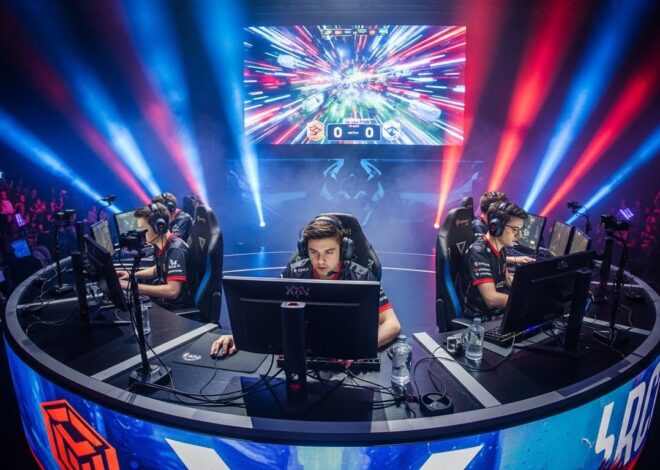
Professional esports players are at the center of this industry, often earning substantial salaries and sponsorship deals. Unlike casual gamers, professionals dedicate extensive hours to practice, strategy, and teamwork. Esports organizations, much like traditional sports franchises, recruit players, provide coaching, and manage branding and marketing efforts.
Teams often compete in leagues with structured schedules, playoffs, and international tournaments. The life of a professional player can be demanding, requiring discipline, mental resilience, and consistent performance. However, the rewards, recognition, and opportunities to travel and represent a team on a global stage make it an attractive career for many talented individuals.
Major Esports Tournaments
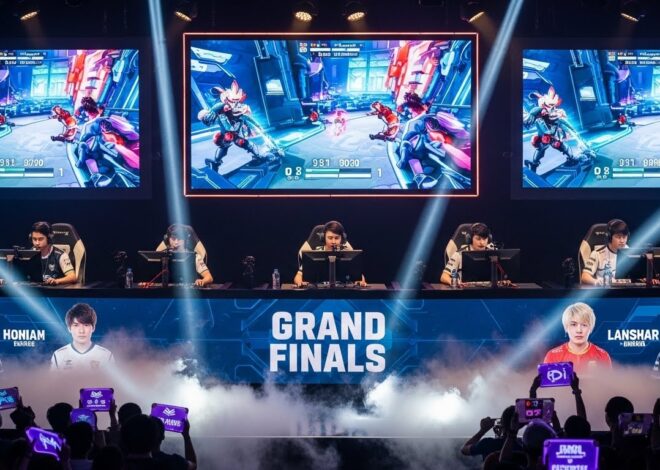
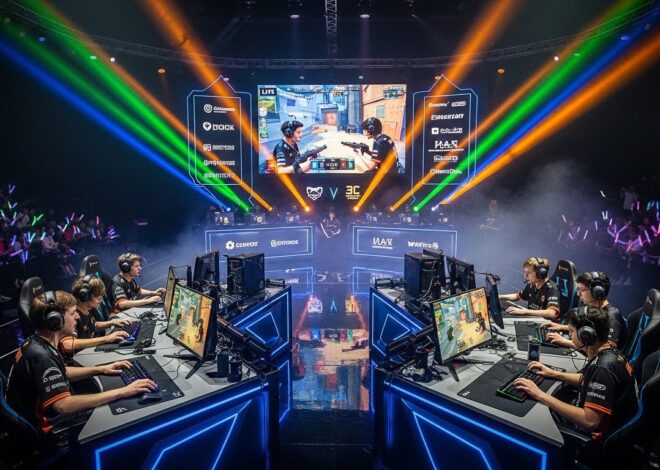
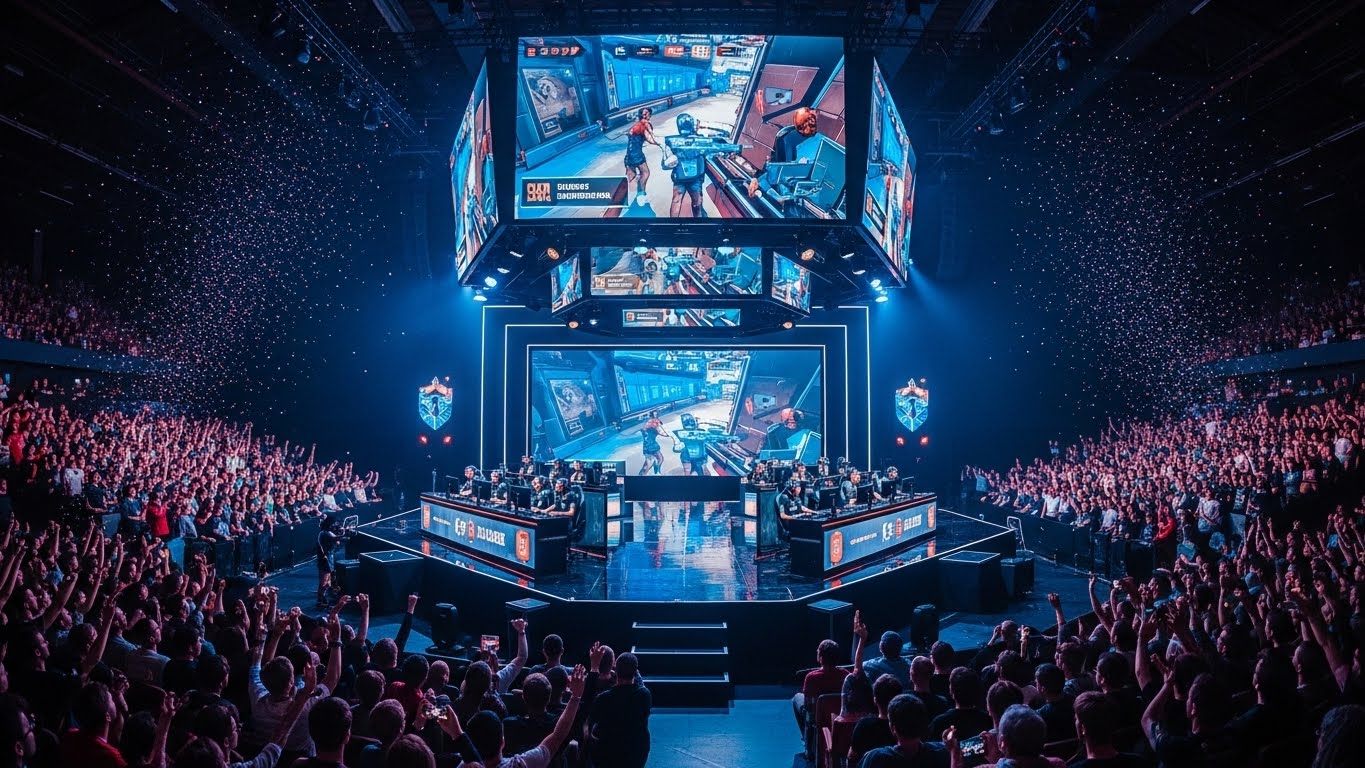
The tournament scene in esports is vast and diverse. Some of the most prestigious events include The International for Dota 2, the League of Legends World Championship, and the Fortnite World Cup. These tournaments attract millions of viewers online and often fill stadiums with fans, mirroring the spectacle of traditional sports events.
These competitions are more than just games; they are cultural events. They showcase the skill, strategy, and excitement of competitive gaming, and create shared experiences among fans worldwide. Additionally, they provide players with platforms to showcase their talent and elevate their careers.
The Global Impact of Esports
Esports is a truly global phenomenon. While its early development was concentrated in regions like South Korea, the United States, and Europe, it has now spread to every continent. Countries such as China and Brazil have thriving esports scenes, producing world-class players and hosting major tournaments.
The international nature of esports fosters cross-cultural interaction, connecting people through shared interests. Unlike traditional sports, esports can transcend language barriers, as the excitement of competition is universal. This global reach has made esports a powerful tool for cultural exchange, collaboration, and economic growth.
Technology and Innovation in Esports
The growth of esports has been closely tied to technological advancements. High-speed internet, powerful gaming hardware, and sophisticated streaming technology have enabled large-scale online competitions. Virtual reality and augmented reality are starting to create immersive experiences for both players and spectators.
Analytics and data-driven strategies also play a crucial role in modern esports. Teams analyze gameplay data to optimize strategies, improve player performance, and make informed decisions. This professional approach to gaming demonstrates how technology is shaping esports into a highly competitive and strategic industry.
Esports and Education
Esports is increasingly finding a place in education. Schools and universities are establishing esports programs, offering scholarships to talented players, and integrating gaming into curricula. These programs teach skills such as teamwork, communication, problem-solving, and strategic thinking.
Additionally, esports education can open doors to careers beyond playing professionally, including roles in event management, marketing, broadcasting, and game development. By recognizing the legitimacy of esports as both a competitive and educational pursuit, institutions are helping to nurture the next generation of gaming professionals.
Challenges Facing the Esports Industry
Despite its rapid growth, esports faces several challenges. The intense pressure on professional players can lead to burnout and mental health issues. The industry also struggles with issues like cheating, toxicity in online communities, and inconsistent regulation across regions.
Monetization and sustainability are ongoing concerns, particularly for smaller teams and events that may not attract major sponsorships. Ensuring fair play, player welfare, and ethical practices are essential for the long-term success and credibility of the industry.
The Future of Esports
The future of esports looks promising. As technology continues to advance, esports will likely become more immersive and interactive. Virtual reality competitions, AI-assisted coaching, and enhanced broadcasting technologies could redefine how games are played and watched.
Esports may also continue to integrate with mainstream culture, including collaborations with traditional sports leagues, entertainment industries, and global brands. The potential for growth is immense, both in terms of audience reach and economic impact.
Ultimately, esports represents more than just a form of entertainment; it is a cultural movement, a career pathway, and a technological frontier. Its evolution reflects the ways in which digital culture and human competition intersect, creating opportunities and experiences that were unimaginable just a few decades ago.
Conclusion
Esports has come a long way from its humble beginnings in arcade halls and online chat rooms. Today, it is a vibrant, global industry with professional players, massive audiences, and technological innovations driving its growth. Competitive gaming is no longer just a pastime; it is a legitimate career, a spectator sport, and a cultural phenomenon.
As esports continues to evolve, it will challenge traditional notions of sports, entertainment, and community. For players, fans, and investors alike, the world of esports offers endless possibilities and an exciting glimpse into the future of digital competition. With its combination of skill, strategy, and spectacle, esports is not just a game—it is a revolution in how we play, watch, and engage with the world of gaming.