
The Rise of Esports: Transforming Gaming into a Global Phenomenon
Esports, or electronic sports, has evolved far beyond its humble beginnings as casual video game competitions. Today, it stands as a global cultural and professional phenomenon, captivating millions of players and viewers worldwide. From small LAN parties to stadium-filling tournaments, esports has transformed gaming into a legitimate industry, complete with professional athletes, sponsorship deals, and massive audiences. This blog explores the history, growth, impact, and future of esports, providing a deep dive into a world where digital competition reigns supreme.
The Origins of Esports
The roots of competitive gaming can be traced back to the late 1970s and 1980s, a period marked by the rise of arcade culture and early computer games. One of the first notable instances of competitive gaming occurred in 1972 with the game “Spacewar!” at Stanford University, where players competed for recognition and small prizes. The 1980s saw the emergence of arcade tournaments, including the famed Twin Galaxies competitions, which tracked high scores and crowned top players. These early contests laid the foundation for what would eventually become modern esports.
As home computers and consoles became more prevalent in the 1990s, games like “Street Fighter II,” “StarCraft,” and “Quake” brought competitive gaming into living rooms and local gaming centers. South Korea played a pivotal role in the rise of esports during this era, particularly with the explosion of “StarCraft: Brood War.” Television networks even broadcast competitive matches, signaling that esports could attract mainstream attention.
The Evolution of Competitive Gaming
The transition from small competitions to professional esports leagues occurred in the early 2000s. Games like “Counter-Strike,” “Warcraft III,” and “Halo” became staples of competitive tournaments. Organizations such as Major League Gaming (MLG) in North America and the Electronic Sports World Cup in Europe provided structured platforms for players to showcase their skills on a larger stage.
One of the defining factors in esports’ growth has been the advancement of internet infrastructure. High-speed broadband and improved online multiplayer capabilities allowed gamers to compete across continents, creating truly global competitions. Online streaming platforms later amplified this reach, enabling fans to watch their favorite players and teams in real-time, a factor that fundamentally changed how audiences interact with competitive gaming.
Popular Esports Titles
Esports today encompasses a variety of genres, each attracting unique communities and competitive structures. Multiplayer Online Battle Arenas (MOBAs) like “League of Legends” and “Dota 2” have become some of the most watched esports worldwide, combining strategic depth with team-based action. First-Person Shooters (FPS) like “Counter-Strike: Global Offensive,” “Overwatch,” and “Call of Duty” demand precision, reflexes, and tactical coordination, appealing to players who thrive in fast-paced environments.
Battle Royale games such as “Fortnite” and “PUBG” introduced a more casual and spectator-friendly dynamic, drawing massive viewership numbers and creating crossover appeal with mainstream culture. Sports simulation titles like “FIFA” and “NBA 2K” have also carved a niche in esports, appealing to fans of traditional sports who enjoy virtual competition. Each of these genres demonstrates the versatility and broad appeal of esports as an entertainment medium.
The Professionalization of Esports
The professionalization of esports has mirrored the development of traditional sports. Top players now earn salaries, sponsorship deals, and tournament winnings that can rival those of conventional athletes. Esports organizations operate similarly to sports franchises, maintaining dedicated training facilities, coaching staff, and marketing departments. Teams such as T1, G2 Esports, and Fnatic have cultivated global fan bases, turning esports players into celebrities and influencers in their own right.
Esports has also introduced formal structures such as leagues, seasons, and franchising. The League of Legends Championship Series (LCS), Overwatch League (OWL), and Call of Duty League (CDL) exemplify this evolution. Players now compete in structured schedules, with performance metrics, rankings, and playoffs contributing to the competitive ecosystem. This professionalization has increased the credibility and sustainability of esports as a legitimate career path.
Esports Viewership and Media Influence
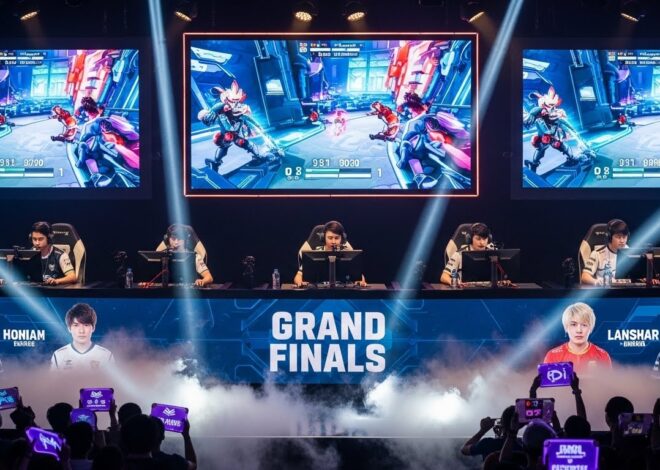
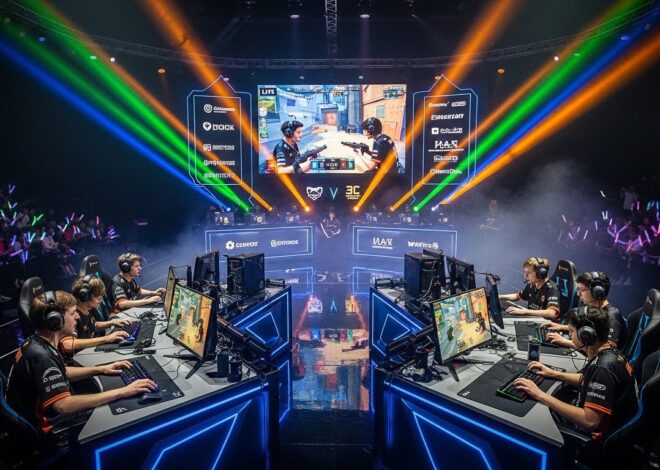
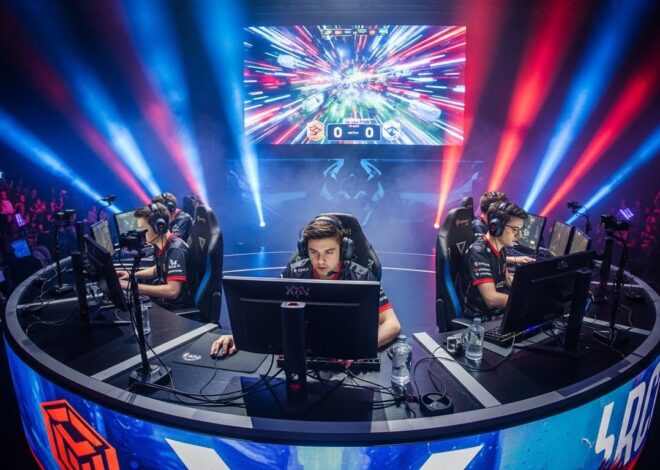
The growth of esports viewership has been nothing short of phenomenal. Millions of fans tune into live streams, often on platforms such as Twitch, YouTube Gaming, and other streaming services. Esports events can fill stadiums with tens of thousands of spectators, and online audiences often reach into the millions. For example, The International, Dota 2’s flagship tournament, regularly offers multi-million-dollar prize pools and draws massive online viewership, reflecting esports’ mainstream appeal.
Media coverage has expanded beyond niche gaming outlets. Sports networks and news agencies increasingly cover esports events, highlighting key matches, player interviews, and industry developments. This integration into mainstream media has helped esports transcend its early perception as a niche hobby, establishing it as a recognized and respected form of competition.
The Economics of Esports
The financial landscape of esports has grown exponentially over the past decade. Revenue streams include tournament prize pools, sponsorships, advertising, merchandise, streaming subscriptions, and media rights. Leading brands from non-gaming sectors, such as automotive, apparel, and consumer electronics, invest heavily in esports sponsorships to reach younger, tech-savvy audiences.
Prize money in major tournaments can reach astronomical sums. For instance, Dota 2’s The International has surpassed $40 million in total prize money in recent years, while top League of Legends tournaments consistently offer multi-million-dollar pools. Beyond tournament earnings, professional players also generate income through brand endorsements, social media partnerships, and content creation, highlighting the diverse economic opportunities within esports.
The Role of Technology in Esports
Technology plays a central role in shaping the esports ecosystem. High-performance gaming hardware, low-latency internet connections, and sophisticated streaming software enable seamless competition and content delivery. Data analytics tools are increasingly employed to optimize player performance, track in-game statistics, and enhance strategic planning.
Virtual reality (VR) and augmented reality (AR) are beginning to influence esports, offering immersive spectator experiences and new forms of interactive gameplay. Artificial intelligence (AI) is also being integrated for coaching, performance analysis, and even as virtual opponents in competitive environments. Technology continues to push the boundaries of what esports can offer to both players and fans.
Social and Cultural Impact of Esports
Esports has transcended entertainment to become a cultural phenomenon. It fosters global communities where players and fans connect over shared interests, transcending geographical boundaries. The esports community often embraces diversity, welcoming players and fans from different backgrounds, genders, and age groups.
Esports has also influenced broader pop culture. References to esports appear in movies, TV shows, and music, and professional players often achieve celebrity status. Major tournaments are broadcast on television and streamed online, contributing to a sense of shared experience akin to traditional sporting events. Moreover, esports has helped normalize gaming as a legitimate and productive pastime, breaking down outdated stereotypes of gamers.
Challenges and Controversies
Despite its rapid growth, esports faces several challenges and controversies. Player burnout and mental health concerns are prevalent due to long practice hours, high-pressure competition, and constant travel for tournaments. Organizations are increasingly adopting wellness programs, counseling, and structured schedules to mitigate these issues.
Cheating, match-fixing, and doping have also emerged as challenges for the integrity of competitive gaming. Esports governing bodies and tournament organizers continually implement rules, monitoring systems, and anti-cheating measures to maintain fairness. Additionally, the industry must navigate regulatory, licensing, and labor considerations as it professionalizes further.
The Future of Esports
The future of esports is poised for continued growth and innovation. Expanding mobile esports, particularly in regions like Southeast Asia and Latin America, introduces new audiences to competitive gaming. Integration with traditional sports franchises and media companies will further legitimize esports as a mainstream entertainment option.
Emerging technologies such as cloud gaming, VR, AR, and AI will redefine gameplay and spectator experiences. Educational institutions are increasingly offering esports programs, scholarships, and career pathways, signaling a growing recognition of esports as both an academic and professional pursuit. With global investment, audience engagement, and technological innovation, esports is set to remain a dominant cultural force for years to come.
Conclusion
Esports has transformed from a niche pastime into a global industry, redefining what it means to be a professional gamer and a competitive spectator. Its evolution has been fueled by technological advancements, professionalization, media coverage, and cultural acceptance. While challenges remain, including mental health concerns and competitive integrity, the overall trajectory of esports is one of growth, innovation, and mainstream recognition.
In an increasingly digital world, esports represents the convergence of technology, entertainment, and sportsmanship. It is more than just a game—it is a dynamic ecosystem that empowers players, engages fans, and creates communities worldwide. As esports continues to evolve, its impact on society, culture, and the global economy is likely to expand, cementing its place as one of the most influential phenomena of the 21st century.