The Rising Phenomenon of Esports: A Deep Dive Into the World of Competitive Gaming
In the past decade, the world of gaming has undergone a monumental transformation. What was once a solitary pastime has evolved into a global phenomenon known as esports. Competitive gaming has emerged as one of the most lucrative, exciting, and widely followed entertainment industries in the world. This blog post explores the origins, growth, impact, and future of esports, shedding light on its cultural significance, the economic opportunities it brings, and the challenges it faces.
The Origins of Esports
Esports, short for electronic sports, refers to organized, multiplayer video game competitions, particularly between professional players, individually or as teams. The concept of competitive gaming has been around since the early days of video games, but it wasn’t until the late 1990s and early 2000s that it truly began to take shape as a mainstream form of entertainment. The rise of high-speed internet, coupled with the explosion of online multiplayer games, laid the foundation for esports as we know it today.
The first major esports event is often cited as the 1997 Red Annihilation tournament for the game Quake. This was one of the first large-scale competitions that attracted both a serious player base and a notable audience. But it wasn’t until the 2000s when platforms like Blizzard Entertainment’s Starcraft and Riot Games’ League of Legends began to build large, dedicated esports communities. These games would become the cornerstones of competitive gaming for years to come.
The Growth of Esports
In the early years, esports had a niche following, mostly confined to specific games or regions. However, the advent of streaming platforms like Twitch in 2011 played a pivotal role in bringing esports into the mainstream. Twitch allowed players to broadcast their gameplay live, which not only increased exposure for esports tournaments but also helped create a direct connection between players and fans.
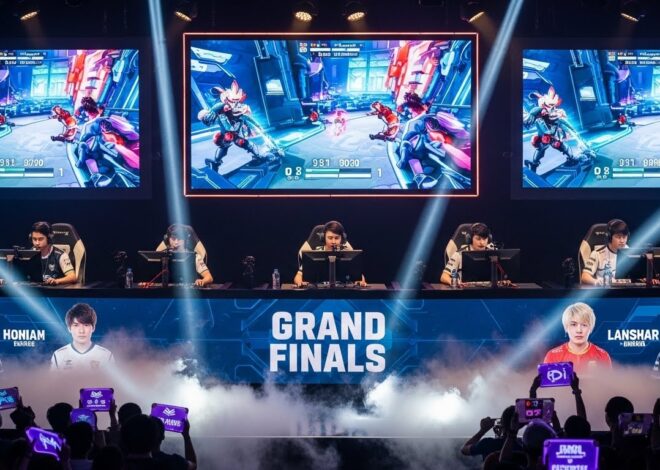
As the esports scene grew, so did its visibility. Major organizations began to form, and the level of competition reached new heights. What started as small LAN parties and regional tournaments quickly expanded into large-scale international events with multi-million dollar prize pools. Events like The International, a Dota 2 championship, now attract audiences in the tens of millions, with some tournaments broadcasting live on TV networks and streaming platforms globally.
Esports is now a multi-billion-dollar industry, with companies from all industries — from technology giants like Intel and Nvidia to traditional sports teams and sponsors — getting involved. The appeal is obvious: esports offers a massive audience of young, tech-savvy consumers who are engaged, passionate, and eager to spend money on products that enhance their gaming experience.
The Impact of Esports on Traditional Sports
While esports and traditional sports may seem worlds apart at first glance, the overlap between them is growing. Esports has even been dubbed the “fourth major sport” in some regions, following in the footsteps of football, basketball, and baseball. Many traditional sports teams and franchises have invested heavily in esports teams, forming partnerships with gaming organizations or even creating their own esports divisions.
In addition, the rise of esports has sparked debates on whether it should be included in the Olympic Games. While the International Olympic Committee (IOC) has yet to make a definitive decision, the conversation around esports in the context of traditional sports is ongoing. The level of competition, strategic gameplay, and the high skill required to excel in esports mirror that of traditional sports, making it a natural topic for such discussions.
Furthermore, the success of esports has led to a blending of the two worlds. Popular professional athletes, like Michael Jordan and Shaquille O’Neal, have invested in gaming organizations, recognizing the immense growth potential of the industry. Likewise, esports athletes now have the opportunity to earn substantial incomes, often rivaling those of their traditional sports counterparts.
The Economic Power of Esports
One of the most striking aspects of esports’ meteoric rise is its economic power. Tournaments offer lucrative prize pools that can sometimes exceed tens of millions of dollars. For instance, The International (TI), the premier Dota 2 event, has seen prize pools exceeding $30 million, a testament to the enormous scale of the industry.
But the financial opportunities in esports extend far beyond just tournaments. Sponsorships, advertising, and media rights contribute massively to the economic ecosystem. Big-name brands, from energy drinks to tech companies, have poured millions into esports, recognizing the value of reaching a highly engaged audience. The emergence of streaming platforms like Twitch and YouTube Gaming has also provided content creators and influencers with the opportunity to generate income through sponsorships, subscriptions, and advertisements.
Esports organizations themselves are lucrative businesses, and players, particularly those at the top of their games, have lucrative career opportunities. Esports athletes can earn income from prize winnings, sponsorships, salaries from professional teams, and personal streaming channels. Top players like Faker (Lee Sang-hyeok) in League of Legends and Ninja (Tyler Blevins) in Fortnite have made millions through a combination of tournament winnings, streaming, and endorsements.
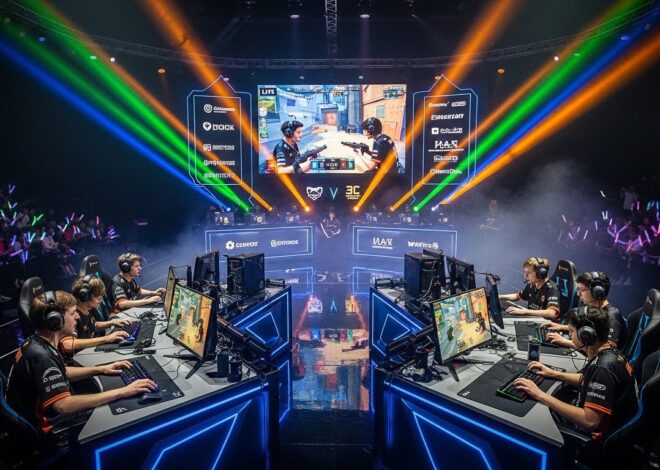
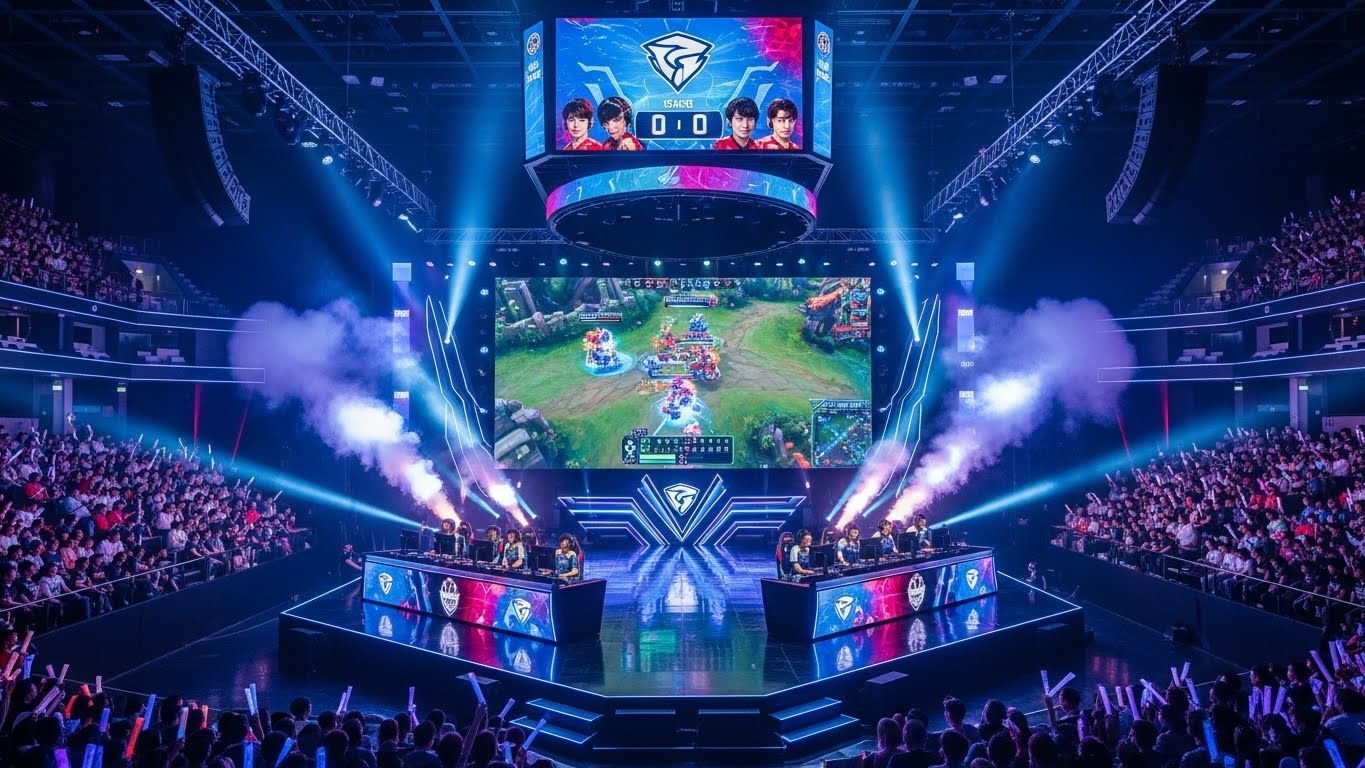
Moreover, the growth of esports has had a ripple effect on related industries, such as merchandise sales, game development, and even tourism. Esports events often attract large crowds, with some tournaments taking place in major arenas or stadiums. The combination of all these factors has led to the creation of a thriving esports ecosystem, one that continues to grow at an exponential rate.
The Social and Cultural Impact of Esports
Esports has become more than just a competitive activity. It has transformed into a cultural movement, influencing a generation of gamers, fans, and even the way traditional media operates. Esports communities are often built around specific games, with players and fans alike forming lasting relationships, both online and offline.
The social aspect of esports is perhaps one of its most defining features. The advent of streaming platforms like Twitch has created an entirely new form of interaction between players and fans. Fans not only watch their favorite players compete but can also interact with them in real-time, either by commenting on live streams or engaging on social media platforms.
For many, esports has provided a sense of belonging, a community where people who share similar interests and passions can connect. Competitive gaming has also been credited with promoting teamwork, communication, and problem-solving skills, as these are essential for success in multiplayer games.
Additionally, esports has played a role in breaking down barriers. The virtual nature of gaming allows players from different countries and backgrounds to come together and compete on a level playing field. This international aspect has made esports a truly global phenomenon, uniting people from all walks of life over a shared love of gaming.
The Future of Esports
As esports continues to grow, its future seems increasingly promising. The integration of esports into mainstream media, the rise of mobile gaming, and the growing popularity of virtual reality (VR) and augmented reality (AR) all point to an exciting future for the industry.
Esports organizations and teams are likely to continue growing and evolving, with more international leagues, sponsorships, and media rights deals being signed. The inclusion of esports in major events like the Asian Games (which already includes esports as a medal sport) signals a broader acceptance of gaming as a legitimate form of competition. Whether or not esports will be included in the Olympics remains to be seen, but the idea is being seriously considered.
Mobile gaming is also an area where esports is likely to expand. Games like PUBG Mobile and Free Fire have already created significant competitive scenes, and as mobile gaming continues to gain traction globally, esports tournaments based on mobile platforms could become even more prevalent.
In the realm of technology, advancements in VR and AR may lead to even more immersive and interactive esports experiences. As these technologies become more refined, it’s possible that esports will evolve into a fully immersive experience, offering fans and players alike a new level of engagement.
Conclusion
Esports is no longer a niche hobby; it has become a cultural and economic powerhouse. What began as a small subculture of competitive gamers has transformed into an entertainment industry with a massive global following. From its humble beginnings in the 1990s to its current status as a billion-dollar industry, esports has come a long way — and its potential for growth is virtually limitless.
As more people embrace gaming as a form of competition and entertainment, the future of esports looks brighter than ever. Whether you’re a casual gamer, a professional player, or a fan, the world of esports offers something for everyone. With its blend of competition, community, and technology, esports is well on its way to becoming one of the defining cultural movements of the 21st century.