The Unstoppable Rise of Esports: A New Era of Competitive Gaming
Introduction
In the past few decades, the gaming world has transformed from a casual hobby to a global phenomenon known as esports. What began as small-scale competitions among friends has evolved into an industry worth billions, watched by millions of fans around the world. Esports is not just about playing games anymore; it’s about teamwork, strategy, sponsorships, entertainment, and cultural impact. The digital battlefield has become just as important as traditional sports arenas.
The Birth of Esports
Esports did not appear overnight. Its origins can be traced back to the early 1970s and 1980s when arcade games like Space Invaders and Pac-Man sparked competitive tournaments. The first recorded gaming competition took place in 1972 at Stanford University, where students competed in the game Spacewar! for a one-year subscription to Rolling Stone magazine.
By the 1990s, the introduction of personal computers and home consoles brought gaming into households. Games like Street Fighter II, Quake, and StarCraft set the stage for competitive play. The late 1990s saw the emergence of online multiplayer gaming, which allowed players from different locations to compete against one another. This was the true turning point for esports, as the internet connected millions of gamers across the globe.
The Growth of Professional Esports
The 2000s marked the rise of professional esports leagues and tournaments. Organizations began forming teams that trained and competed under sponsorships, similar to traditional sports. Titles such as Counter-Strike, Warcraft III, Dota, and League of Legends became household names in the esports community.
South Korea was one of the first countries to embrace esports as a mainstream form of entertainment. The country even recognized professional gamers as legitimate athletes. Televised tournaments, dedicated gaming channels, and sold-out arenas made South Korea the early hub of esports culture.
Soon after, North America, Europe, and China followed suit. International competitions like The International for Dota 2, League of Legends World Championship, and CS:GO Majors began attracting millions of viewers and massive prize pools. The scale and professionalism of esports had entered a new era.
Esports and the Power of Technology
Technology has always been the driving force behind esports. High-speed internet, powerful gaming PCs, and streaming platforms have turned gaming into a spectator sport. Platforms like Twitch, YouTube Gaming, and other live-streaming services allow fans to watch their favorite players and teams in real time.
Game developers also contribute by designing games optimized for competitive play. Titles such as Overwatch, Valorant, Fortnite, and Call of Duty continue to push the boundaries of interactive entertainment. Each game offers unique mechanics, strategies, and communities, all contributing to the growing diversity of esports.
Virtual reality and augmented reality are beginning to influence the scene as well. These technologies open up new possibilities for immersive competition and fan engagement. In the near future, esports might not just be played on a screen but in fully interactive 3D spaces where the line between player and spectator becomes blurred.
The Business Behind Esports
Esports is no longer just about the game—it’s an entire business ecosystem. Teams, organizations, sponsors, advertisers, and media companies all play crucial roles in its success. Major brands that were once only associated with traditional sports are now investing heavily in esports.
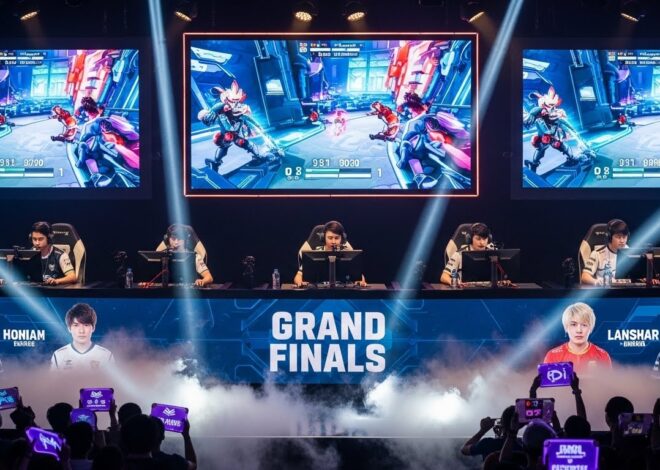
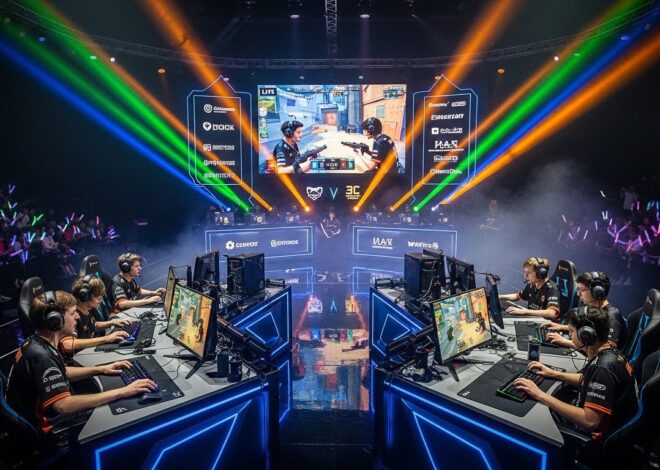
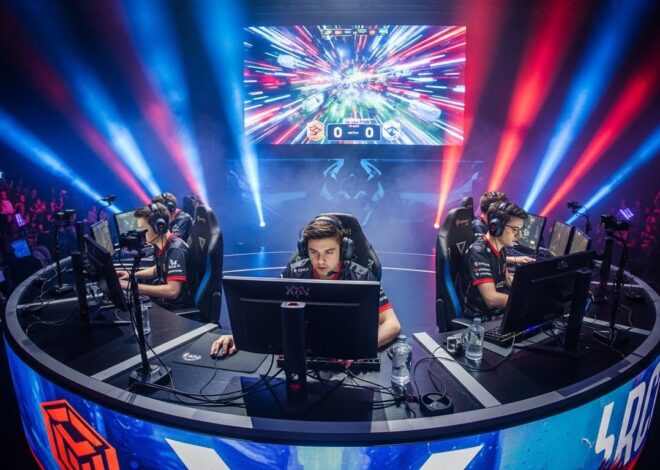
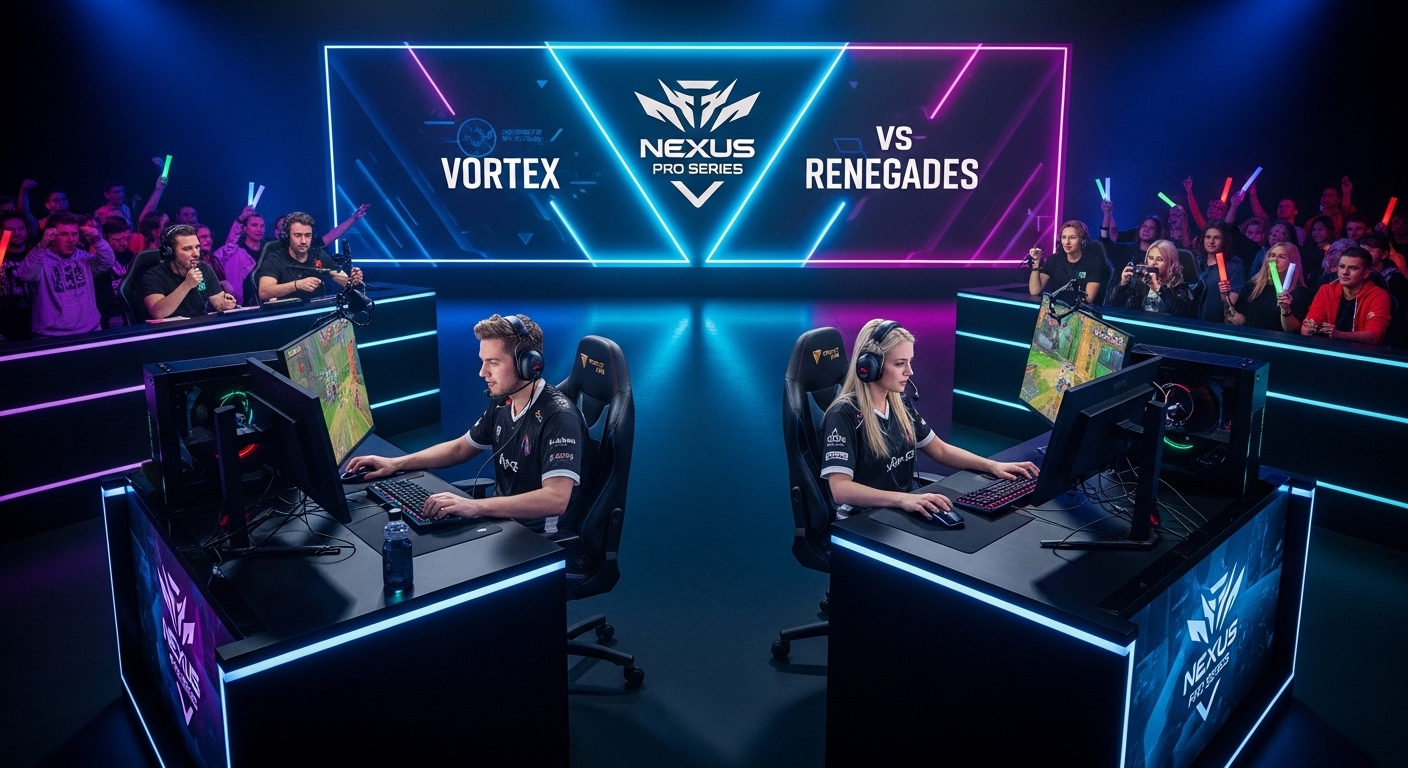
Sponsorship deals, merchandise, streaming rights, and ticket sales generate enormous revenue. Prize pools for major tournaments have reached tens of millions of dollars, and the industry continues to grow rapidly. Esports events are now held in massive stadiums and broadcast worldwide, creating a fan experience similar to football or basketball championships.
In addition, universities around the world are now offering scholarships for esports athletes. Training facilities, coaches, analysts, and nutritionists are becoming common in professional gaming organizations. The once informal gaming scene has matured into a well-structured and respected professional industry.
The Rise of Esports Athletes
The players themselves are the heart of the esports movement. These athletes train rigorously, often practicing eight to ten hours a day to refine their reflexes, communication, and strategies. Many professional gamers start at a young age, developing their skills in competitive environments online.
Just like traditional athletes, esports players experience both the thrill of victory and the pressure of performance. Reaction time, decision-making, and mental stamina are just as important as physical strength in other sports. Some players achieve celebrity status, gaining millions of followers on social media and becoming brand ambassadors for global companies.
However, the life of an esports professional is not always glamorous. The competition is fierce, and burnout is a real issue. Many players retire young due to stress, exhaustion, or the fast-paced evolution of games. Yet, despite these challenges, the dream of becoming a professional gamer continues to inspire millions worldwide.
The Global Esports Community
Esports transcends borders, languages, and cultures. Fans from around the world unite to support their favorite teams and players. Major tournaments are celebrated events, with entire communities gathering to watch matches together. The sense of connection within the gaming community is one of the most powerful aspects of esports.
This global unity is visible in the diversity of teams and players. Whether from South Korea, China, Europe, or North America, competitors share the same digital stage. Esports provides an equal playing field where talent, dedication, and teamwork determine success—not physical location or background.
Esports has also become a cultural bridge, bringing people together from all walks of life. The passion for gaming has created friendships, collaborations, and partnerships across continents.
Esports in Education and Career Development
The influence of esports extends beyond competition. Educational institutions have recognized its potential as a career path. Universities now have esports management programs, game design courses, and scholarships for talented players.
Esports-related careers are expanding rapidly. Beyond professional players, the industry needs shoutcasters, analysts, coaches, event organizers, marketers, and content creators. These roles offer opportunities for creative and technical professionals alike.
Furthermore, esports teaches valuable life skills. Teamwork, communication, leadership, and problem-solving are essential in both gaming and real-world professions. Students involved in esports often develop strong analytical and strategic thinking abilities that translate into other areas of life.
Esports and Mainstream Media
Esports has broken into mainstream culture. Major television networks, sports channels, and streaming platforms broadcast tournaments and highlight shows. Documentaries and movies explore the journeys of players and teams, bringing their stories to wider audiences.
Traditional sports organizations are also joining the movement. Football clubs, basketball teams, and even Formula One organizations have established their own esports divisions. This crossover between traditional sports and esports is strengthening the credibility and popularity of competitive gaming.
Celebrities and musicians are investing in esports teams, attending events, and even streaming games themselves. This celebrity involvement further fuels public interest and promotes gaming as an inclusive and entertaining activity.
The Cultural Impact of Esports
Esports is not just entertainment—it’s a cultural revolution. It represents the digital generation’s creativity, collaboration, and competitiveness. For many, esports provides a sense of belonging and identity. It breaks stereotypes about gaming being isolating or unproductive.
Gaming communities have created unique cultures around each game, from fan art and music to fashion and slang. Esports influences pop culture in ways that continue to grow year by year.
Moreover, esports encourages inclusivity. Players of all genders, ages, and backgrounds can compete on equal footing. Initiatives promoting diversity and accessibility are gaining traction, ensuring that everyone has a place in the gaming world.
Challenges in the Esports Industry
Despite its rapid growth, esports faces challenges that must be addressed. Player burnout, mental health concerns, and financial instability are common issues. Not all organizations treat their players fairly, and some lack proper support systems.
Cheating, match-fixing, and unethical behavior can damage the integrity of competitions. The industry must continue to develop regulations, oversight, and ethical standards to maintain trust.
There is also the issue of sustainability. The constant evolution of games means that competitive titles can become outdated quickly, forcing players and teams to adapt or fade away. Balancing entertainment value with competitive integrity remains a challenge.
The Future of Esports
Looking ahead, the future of esports appears brighter than ever. With technological advancements, wider recognition, and continuous investment, esports is poised to become a cornerstone of global entertainment.
Virtual and augmented reality will likely redefine how players and fans interact. Artificial intelligence could help develop smarter training programs, and blockchain technology might improve transparency in transactions and tournament management.
Esports will also continue expanding into new markets, especially in regions like Africa, South America, and the Middle East, where gaming culture is rapidly growing. With increased accessibility to gaming equipment and internet connectivity, more people will join the global esports community.
In the future, we may see esports become a regular feature in international sporting events. Discussions about including esports in major competitions such as the Olympics show just how far this industry has come.
Conclusion
Esports has become a symbol of how technology, creativity, and competition can blend into something extraordinary. It’s more than gaming—it’s teamwork, innovation, entertainment, and passion combined. From local gaming cafes to world stages filled with roaring fans, esports continues to redefine what it means to be an athlete in the modern age.
The industry’s journey is far from over. With every new generation of gamers, new stories are written, new champions are crowned, and new possibilities emerge. Esports is not just the future of gaming; it is the future of global entertainment itself.