The World of Esports: A Global Phenomenon Redefining the Future of Competitive Gaming
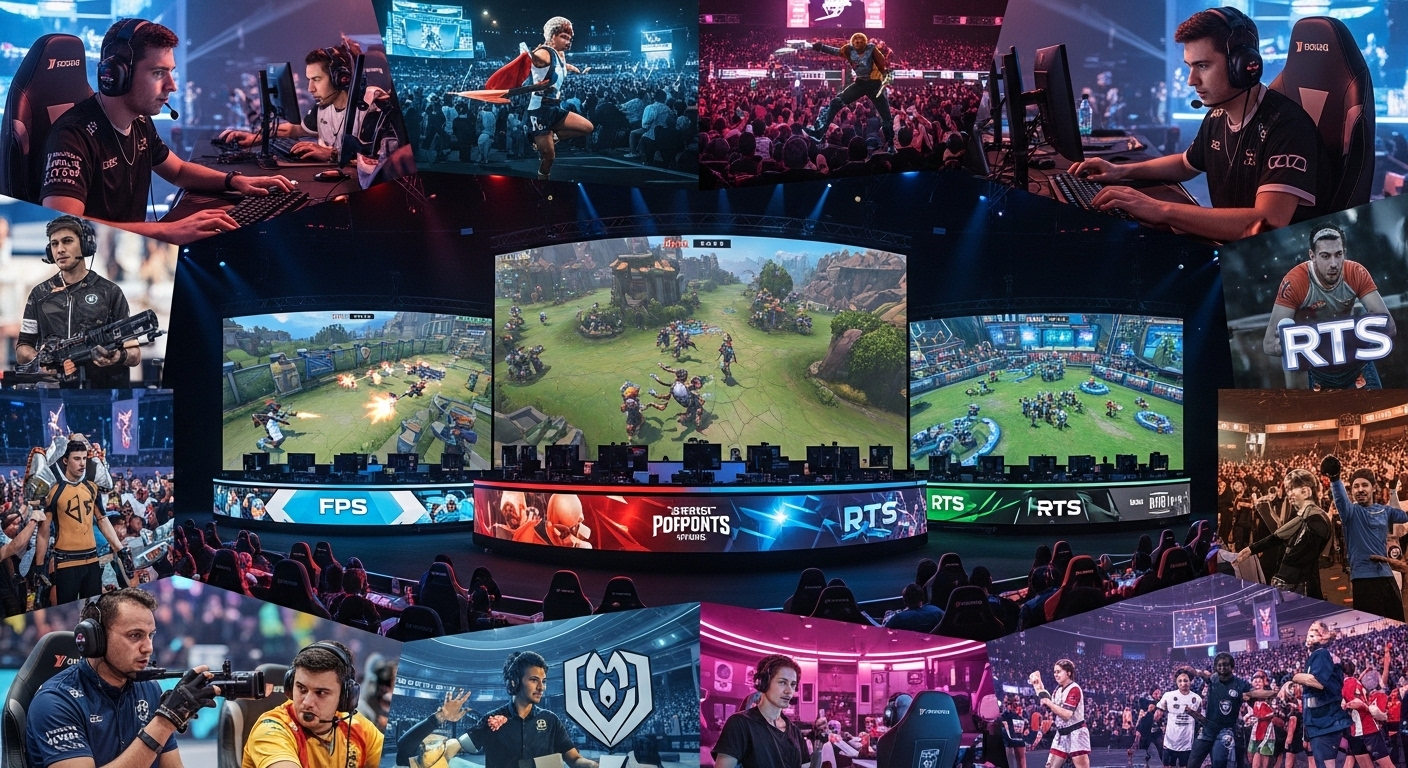
The world of competitive gaming, also known as esports, has evolved from a niche subculture into a multi-billion-dollar industry that captivates millions of viewers and players worldwide. From modest LAN (Local Area Network) tournaments to massive global events with millions of dollars in prize money, esports has rapidly gained recognition as a legitimate form of entertainment and competition, rivaling traditional sports in its scale and impact.
In this blog post, we will dive deep into the world of esports, examining its history, growth, major games, prominent players, leagues, and future potential. We will also explore the cultural significance of esports and how it has reshaped the gaming landscape.
The Origins of Esports: From Arcades to Global Stages
Esports, in its earliest form, began with competitive arcade gaming in the 1970s and 1980s. Players competed for high scores on games like Pong, Space Invaders, and Pac-Man. However, it wasn’t until the mid-1990s that esports began to take shape as we know it today.
The advent of the internet enabled multiplayer games, and by the late 1990s, organized online competitions started to gain traction. One of the first major esports tournaments was the Red Annihilation tournament in 1997, which featured the game Quake. The winner of the tournament, Dennis “Thresh” Fong, was awarded a Ferrari, a prize that was unheard of in gaming at the time and helped bring attention to the emerging esports scene.
The early 2000s saw the rise of professional gaming in South Korea, a country that played a pivotal role in the development of esports as a mainstream phenomenon. The game StarCraft became immensely popular in South Korea, leading to the formation of leagues and tournaments dedicated to the game. Television networks even began broadcasting these events, solidifying the idea that competitive gaming could draw large audiences and become a viable form of entertainment.
The Rise of Esports as a Global Industry
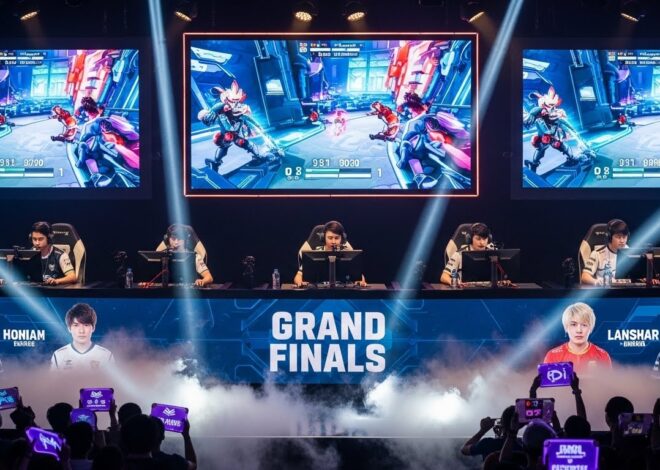
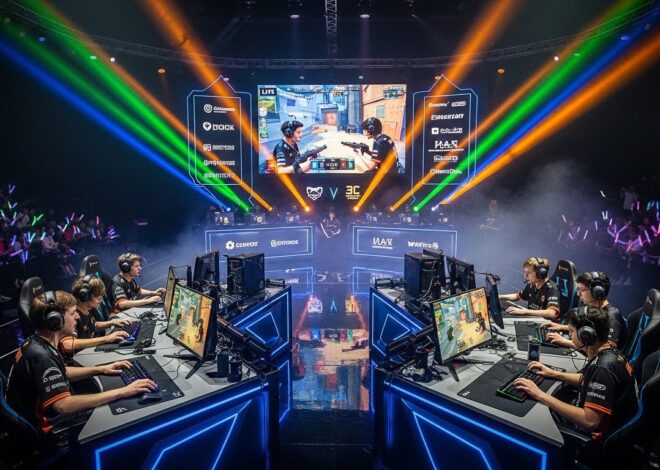
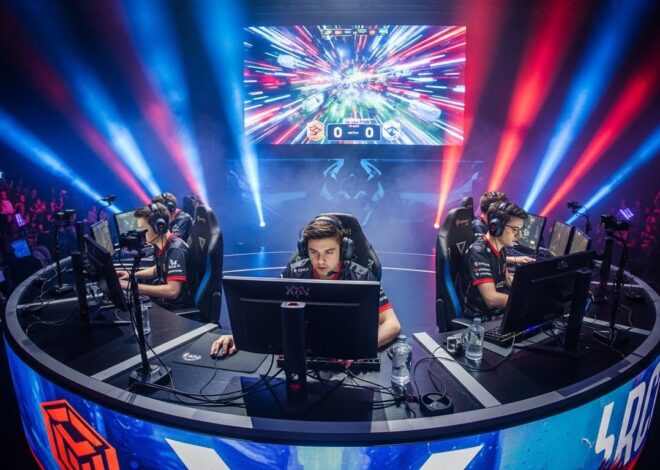
By the 2010s, esports had expanded beyond the borders of South Korea to become a global sensation. With the rise of high-speed internet and streaming platforms like Twitch and YouTube, esports found a new platform to reach a worldwide audience. Esports tournaments, once limited to small LAN events, began to take place in large arenas and stadiums, drawing in tens of thousands of fans.
In 2013, League of Legends (LoL), developed by Riot Games, became a key driver in the growth of esports. Its world championships attracted millions of viewers and were broadcast across multiple platforms, marking a turning point in the visibility and professionalism of esports. As the viewership of these tournaments grew, so did the sponsorships and media rights, leading to the influx of major investments from traditional sports organizations, media companies, and tech giants.
In 2018, the prize pool for the Dota 2 International, one of the most prestigious esports events in the world, reached an astonishing $25 million, a testament to the growing financial investment in the scene. This was followed by the expansion of esports into the mainstream, with major brands, television networks, and even universities embracing esports as a legitimate part of the entertainment and academic landscape.
The Most Popular Esports Titles
Today, esports is dominated by a select number of games that have managed to establish large, dedicated player bases and competitive scenes. These games have become household names, and their tournaments are watched by millions of fans worldwide.
League of Legends (LoL)
Perhaps the most iconic esports title of all time, League of Legends has become the centerpiece of competitive gaming. Released by Riot Games in 2009, LoL is a multiplayer online battle arena (MOBA) game where two teams of five players battle against each other to destroy the enemy’s Nexus. With its strategic depth, ever-evolving gameplay, and large roster of champions, LoL has maintained its position at the top of the esports scene.
The League of Legends World Championship, also known as the Worlds, is the most-watched esports event in the world, drawing in over 100 million viewers during its peak. The championship features the best teams from around the globe, each competing for a multi-million-dollar prize pool and, more importantly, the title of World Champion.
Counter-Strike: Global Offensive (CS:GO)
Since its release in 2012, Counter-Strike: Global Offensive (CS:GO) has remained one of the most popular and influential first-person shooters in the esports world. With its tactical gameplay, focus on team coordination, and high skill ceiling, CS:GO has attracted both casual players and competitive professionals alike.
Major tournaments like CS:GO’s Major Championships offer massive prize pools, and the game has become a staple in the esports community, with organizations such as Astralis, Team Liquid, and FaZe Clan establishing themselves as premier teams in the game’s ecosystem.
Dota 2
Developed by Valve, Dota 2 is another hugely popular MOBA that has been at the heart of competitive gaming since its release in 2013. Known for its complex mechanics, deep strategy, and immense skill ceiling, Dota 2 has a dedicated fanbase that follows its competitive scene passionately. The game’s annual International tournament has become one of the biggest esports events in the world, with some of the largest prize pools ever seen in any competitive gaming tournament.
Fortnite
While Fortnite may not have the same deep roots in competitive gaming as some of the other titles on this list, its rise to prominence has been meteoric. Released by Epic Games in 2017, Fortnite quickly became one of the most-played games in the world, thanks to its battle royale mode and free-to-play model. The game has evolved into an esports phenomenon, with competitive tournaments such as the Fortnite World Cup offering multi-million-dollar prize pools.
With its engaging gameplay, constant updates, and cross-platform capabilities, Fortnite has attracted millions of players worldwide, making it one of the most influential games in esports history.
Overwatch
Blizzard Entertainment’s Overwatch, a team-based first-person shooter, has carved out its own niche in esports since its release in 2016. Known for its diverse cast of characters, colorful aesthetics, and strategic team play, Overwatch has garnered a loyal competitive scene. The Overwatch League (OWL) is a professional league that features teams from cities across the globe, much like traditional sports leagues.
The OWL has helped elevate Overwatch into the mainstream, and its success paved the way for other professional esports leagues to follow similar models, combining city-based teams and regular-season formats.
The Players: Stars of the Esports World
While the games themselves are a major part of esports, the players are the true stars of the scene. Esports athletes, often referred to as “pro players,” dedicate countless hours to honing their skills, practicing strategies, and competing at the highest level. These players are not only skilled but also highly respected within their respective gaming communities.
Faker (Lee Sang-hyeok) – League of Legends
Faker is a legend in the League of Legends scene and is often referred to as the greatest LoL player of all time. He has won three World Championships with SK Telecom T1 (now T1), and his unparalleled skill and consistency over the years have earned him global recognition. Faker’s dominance in LoL has made him a household name in esports, and he is often cited as one of the sport’s greatest icons.
s1mple (Oleksandr Kostyliev) – CS:GO
Known as one of the best CS:GO players of all time, s1mple has been a dominant force in the esports world. Representing Natus Vincere (Na’Vi), s1mple has won numerous MVP awards, major tournaments, and accolades throughout his career. His extraordinary aim, game sense, and ability to carry his team make him a legendary figure in the CS:GO community.
Johan “N0tail” Sundstein – Dota 2
Johan Sundstein, better known by his gaming handle N0tail, is one of the most successful and respected players in Dota 2 history. As the captain of OG, he has led his team to two The International championships, and his leadership, game knowledge, and strategy have made him an icon in the world of competitive Dota 2.
Esports Leagues and Tournaments: The Heartbeat of the Scene
Esports tournaments are the epicenter of competitive gaming, attracting fans from all over the world. Major tournaments, such as The International (Dota 2), Worlds (LoL), and CS:GO’s Major Championships, are often held in large arenas and broadcast live to millions of viewers on platforms like Twitch, YouTube, and other streaming services.
In addition to these international tournaments, many games have developed their own professional leagues. For instance, Overwatch has the Overwatch League (OWL), League of Legends has regional leagues such as the LCS (North America) and LEC (Europe), and CS:GO has numerous tournaments and leagues with top-tier teams from around the globe.
The growth of these leagues and tournaments has allowed esports to become a thriving industry, providing players with sponsorships, team salaries, and opportunities for career advancement.
The Future of Esports: Growth, Innovation, and Mainstream Acceptance
As esports continues to grow, its future looks incredibly promising. More players are joining the scene, new games are emerging, and corporate sponsorships are pouring in. The industry is evolving rapidly, with innovations such as virtual reality (VR) and augmented reality (AR) gaming potentially changing the way esports events are experienced.
Esports is also becoming increasingly recognized by traditional sports organizations. Some universities are offering esports scholarships, while major sports teams and media companies are investing in esports leagues and tournaments. This shift in recognition has helped to normalize esports as a legitimate form of entertainment.
Furthermore, the inclusion of esports in major global events, such as the Asian Games, where esports was featured as a medal event, signals the growing legitimacy of competitive gaming on the global stage.
Conclusion: Esports is Here to Stay
Esports has come a long way since its humble beginnings in arcades and LAN events. Today, it is a global phenomenon that attracts millions of fans and players, generates billions in revenue, and has become a central part of the gaming culture. With its blend of intense competition, strategic gameplay, and dedicated communities, esports continues to captivate audiences and shape the future of entertainment.
As the industry continues to evolve, one thing is clear: esports is here to stay. Whether you are a casual viewer or a hardcore player, the world of esports offers something for everyone, and it will undoubtedly continue to grow in scope and influence in the years to come.